0758-570-751
 0758-570-751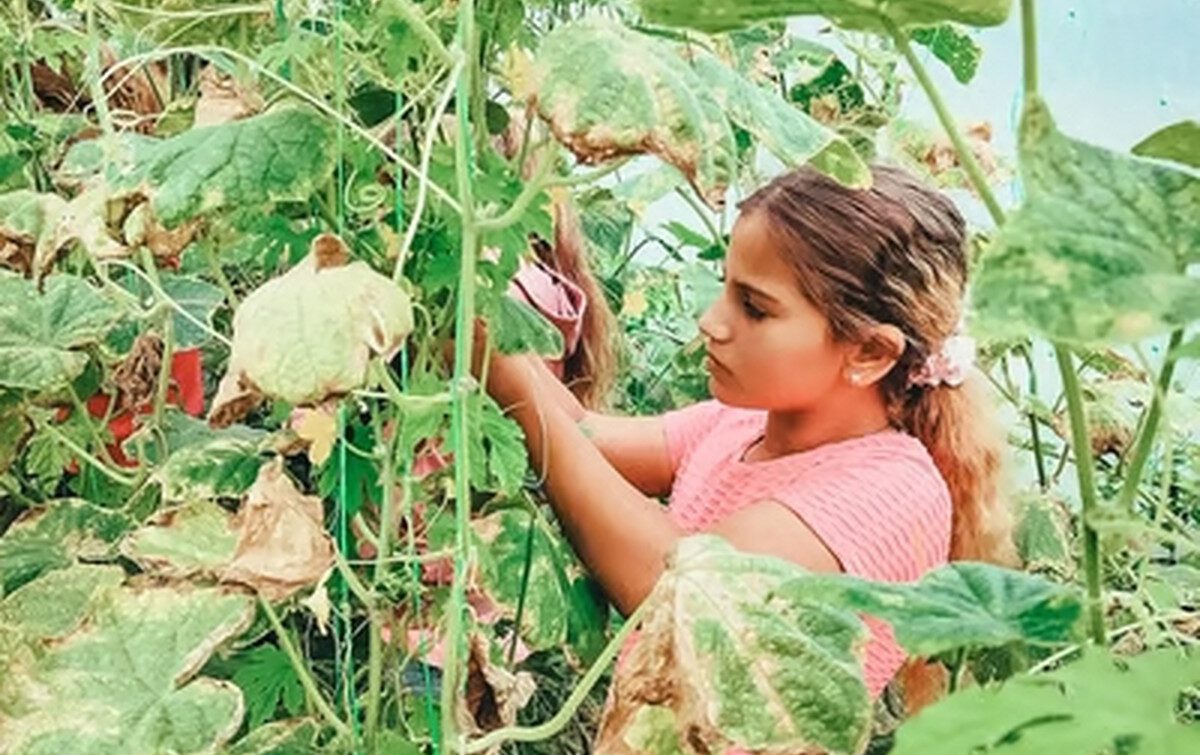
The Pirita Garden program began in 2020 with the “School in the Garden” project, implemented in partnership with the Stea Association in Satu Mare and funded through the “In a State of Well-being” program.
This marked the moment when we built a garden next to the community and, together with the children, learned the first gardening practices.
The results were remarkable: gardening quickly became one of the children’s favorite activities in Pirita — a perfect blend of education, play, responsibility, exploration, and collaboration.
In 2024, with the support of the R.E.A.D. Foundation, we relaunched the program under the name “Pirita Garden”, expanding its impact and addressing school-aged children, adolescents, and mothers from the community.
Through gardening activities and nutrition education, children, adolescents, and mothers learn about the importance of healthy eating, physical activity, and daily routines.
Gardening becomes an ideal context for practicing collaboration, communication, emotional regulation, and self-awareness.
Participants are encouraged to create their own small gardens near their homes, fostering autonomy and responsibility.
Professional visits to local gardens and meetings with agricultural professionals inspire children and mothers to imagine new development opportunities.
Agricultural specialists deliver monthly motivational workshops for children, adolescents, and mothers.
school-aged children
adolescents at risk of dropping out of school
mothers seeking employment
As a result, Pirita Garden becomes an intergenerational space that strengthens the community.
Participants learn about:
the principles of permaculture,
garden planning,
beneficial insects and plant pests,
gardening tools and techniques.
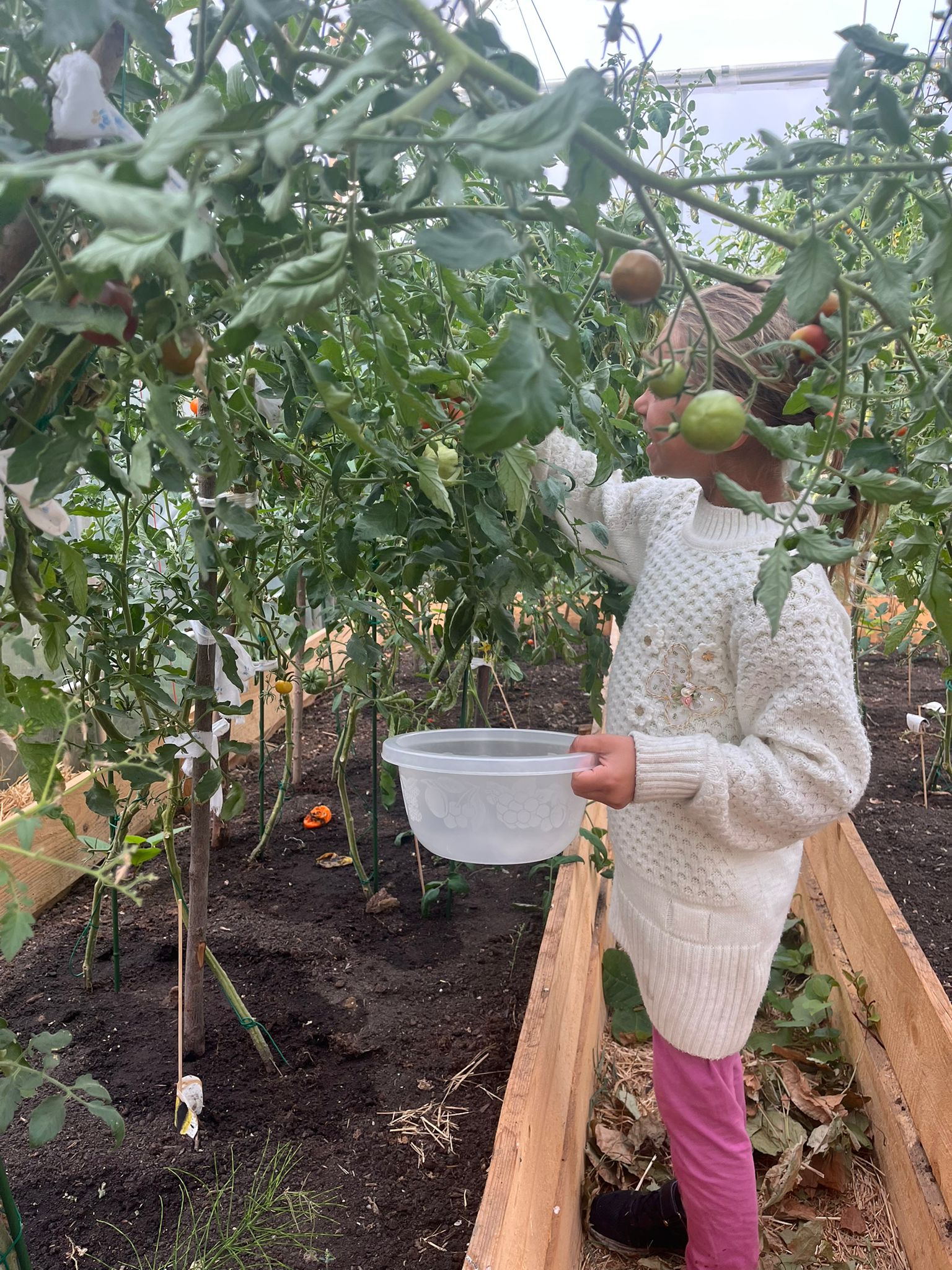
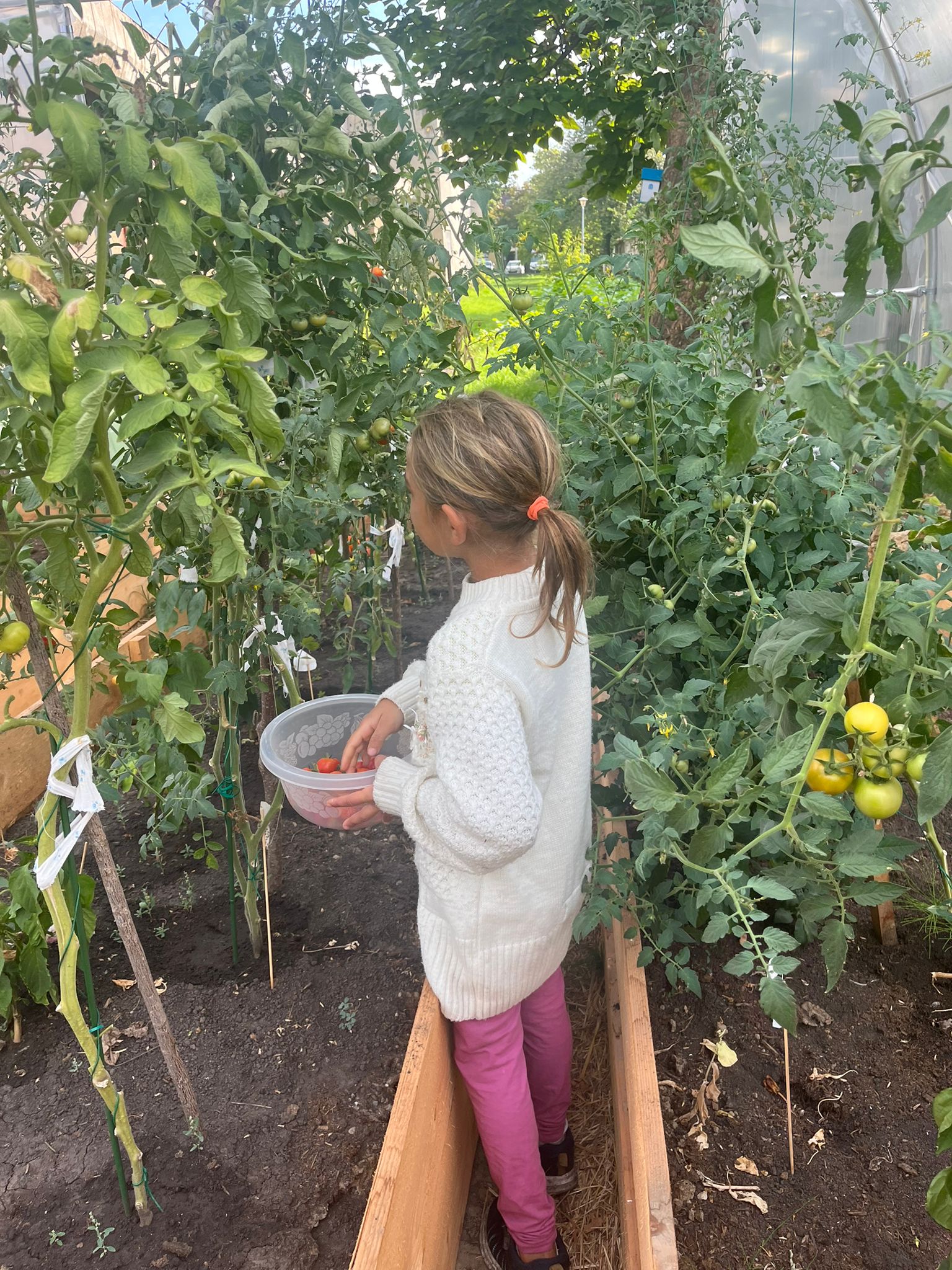
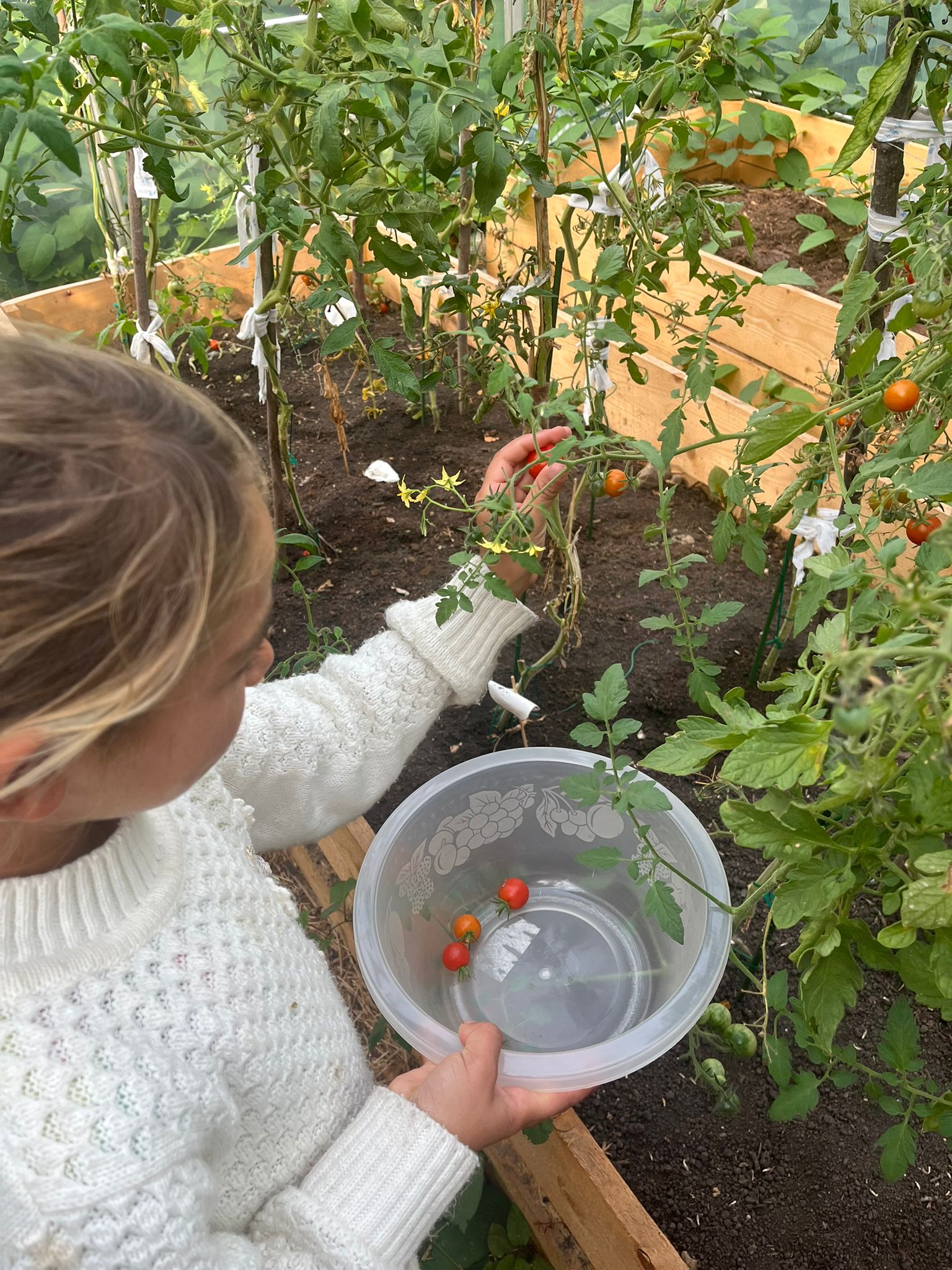
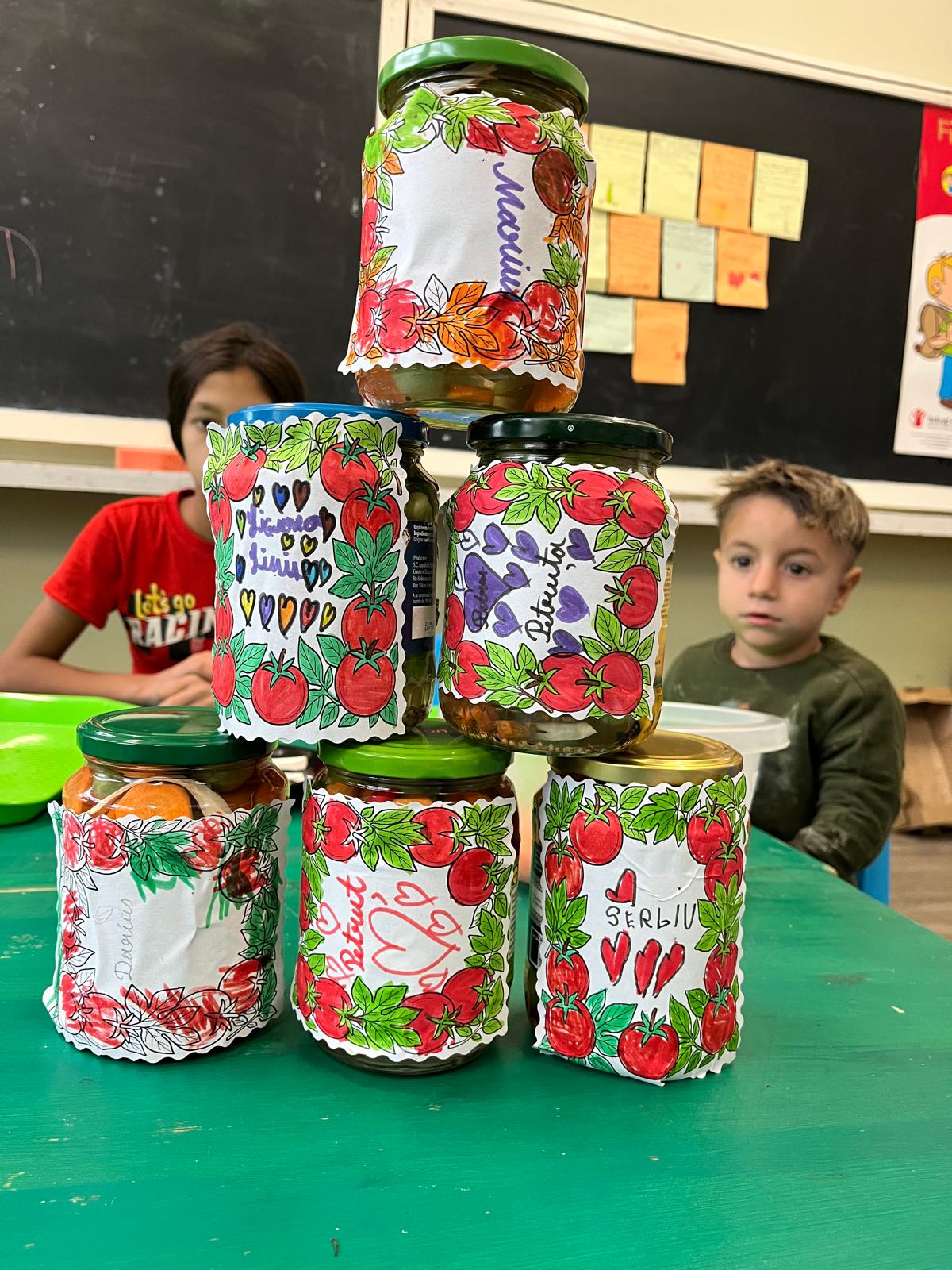
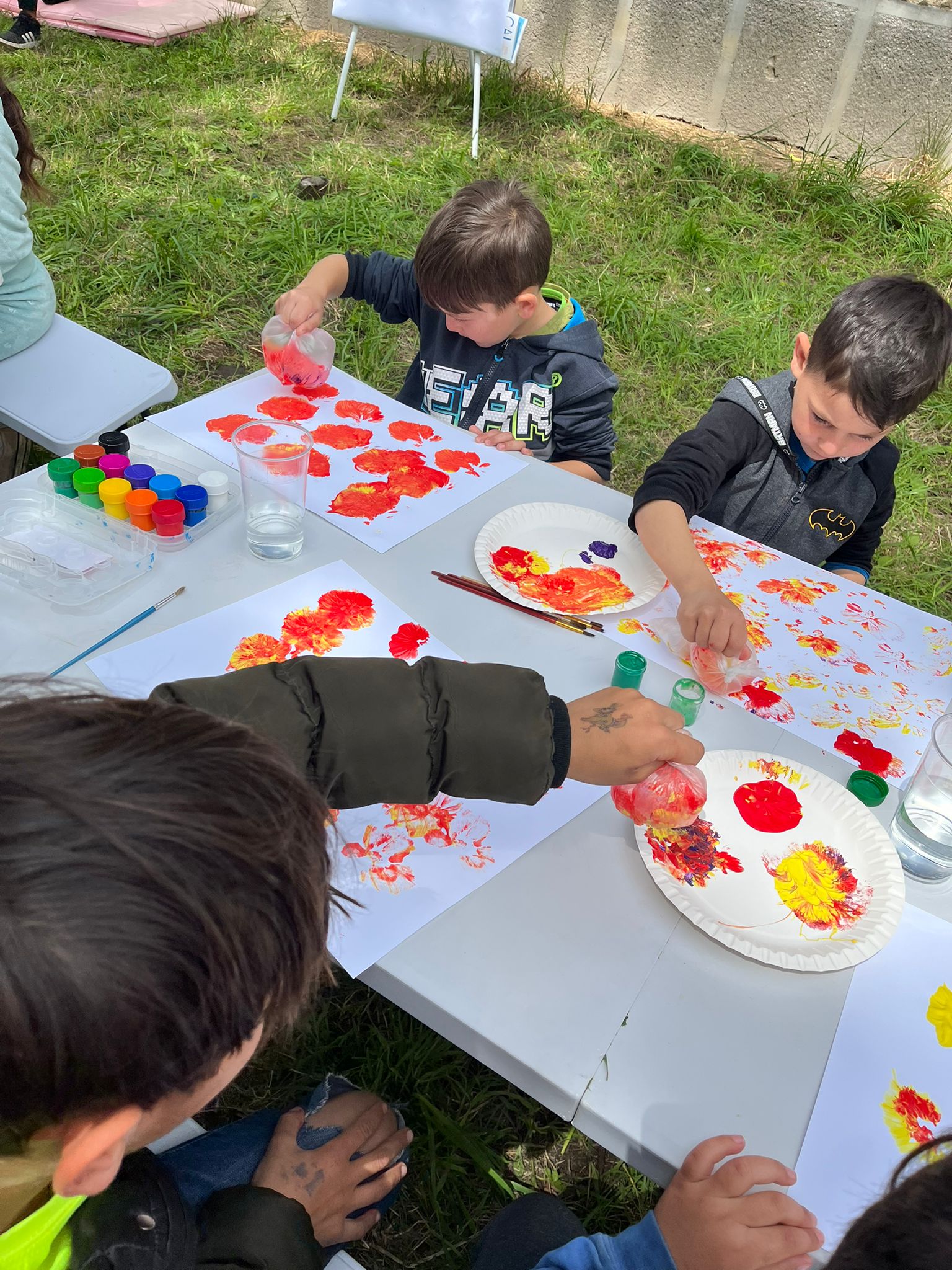
From March to November, children, adolescents, and mothers actively work in the garden — planting, weeding, watering, and harvesting — complemented by creative activities for relaxation and emotional education.
Participants visit gardens in and around the city to observe real-life models and advanced agricultural and horticultural techniques.
Volunteer specialists in agriculture, permaculture, or horticulture meet with children and mothers each month, inspiring them and turning gardening into a meaningful mentorship experience.
improved personal hygiene
more regular sleep routines
healthier eating habits
increased consumption of fruits and vegetables
improved concentration
development of fine motor skills
better stress and impulse management
increased self-esteem
teamwork and cooperation
effective communication
decision-making
planning and time management
responsibility
autonomy
organization
curiosity about nature and the processes around them