0758-570-751
 0758-570-751
Alina, a little girl from the Pirita community, had been waiting for her mother for many years.
Her mother was in prison and still had a long sentence to serve. But for Alina, time was not measured in years or sentences.
Time was measured in longing, in waiting, and in promises that were never fulfilled.
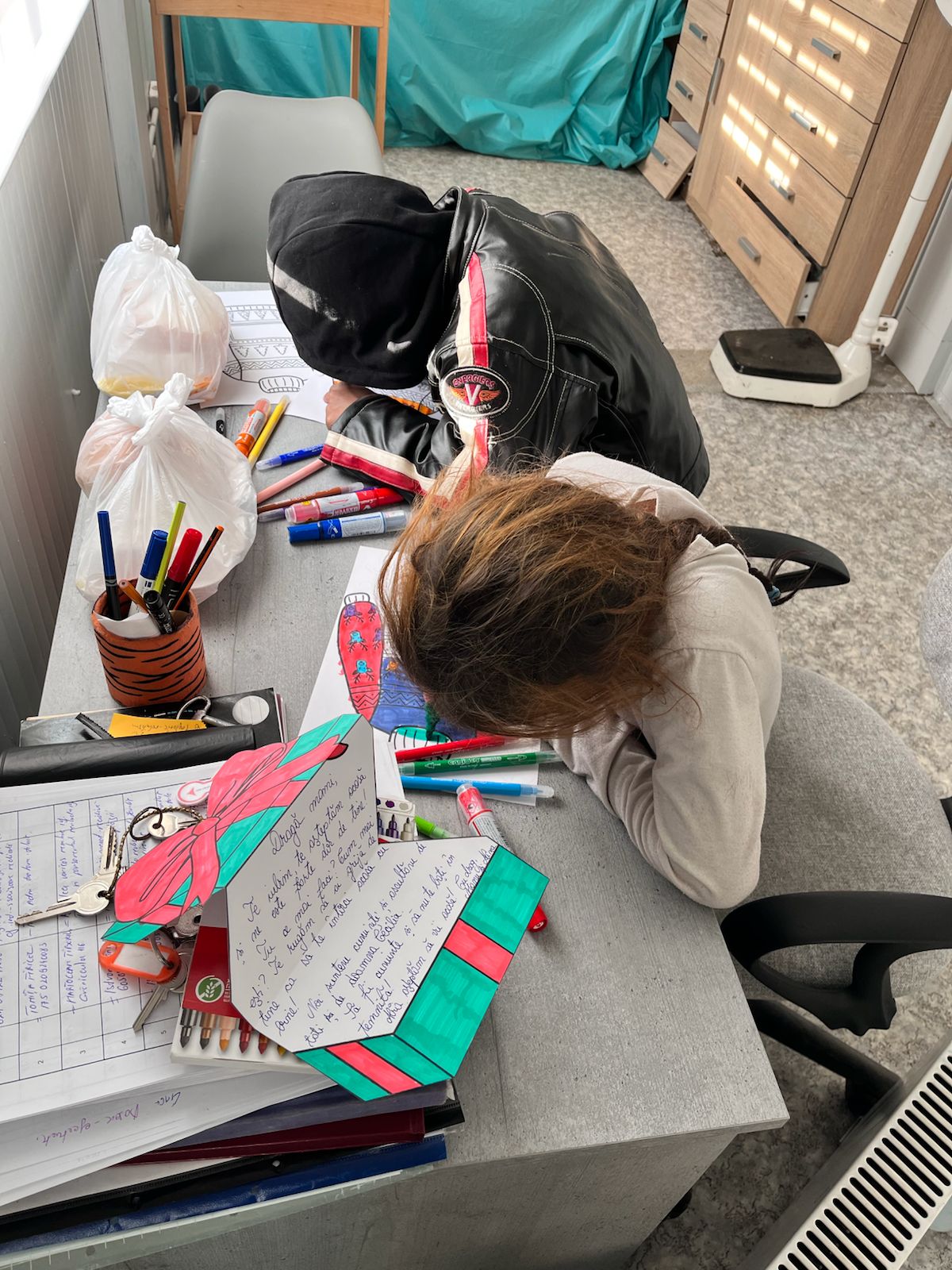
Behind these simple words was a pain that adults struggle to understand and that society most often completely ignores: the pain of children left behind when a parent is incarcerated.
As we tried to understand how we could help Alina, we asked ourselves what was possible—concretely, here and now. How can a child remain connected to their parent, even when the walls of a prison seem impossible to cross?
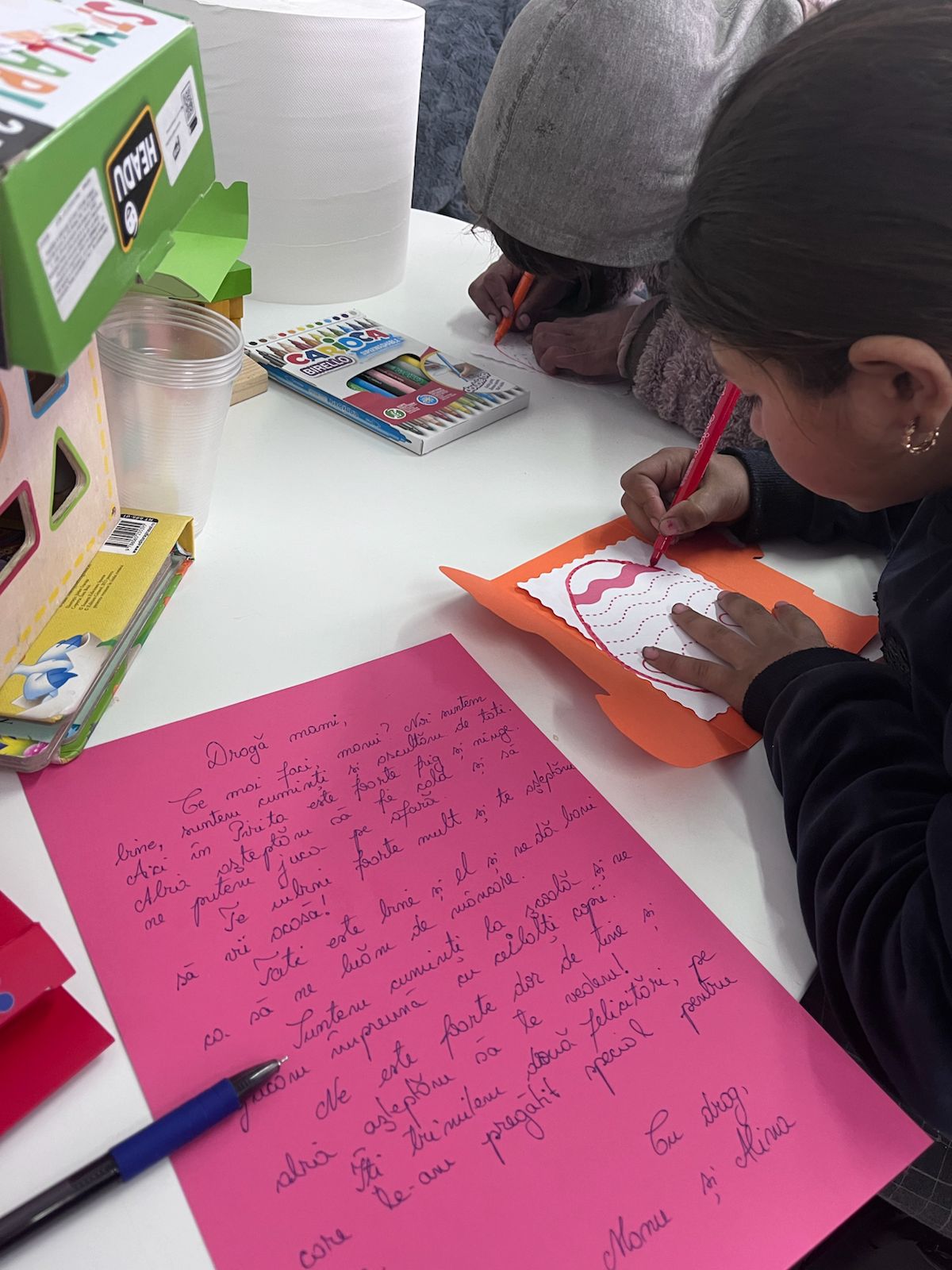
That is how the first letter appeared. Then another. Then a drawing, a greeting card, a photograph. Small pieces of the children’s lives, carefully placed into an envelope.
For Alina’s mother, those letters were the first real glimpses into her children’s lives she had received in years. The drawings, the clumsy handwriting, the notebook photos became proof that the bond had not been broken. That someone was still waiting for her.
When Alina’s mother called to thank us for the Easter letter, we understood that this was not just about Alina.
It was about many more children.
Children who live the same separation, the same shame, the same lack of explanations—in silence.
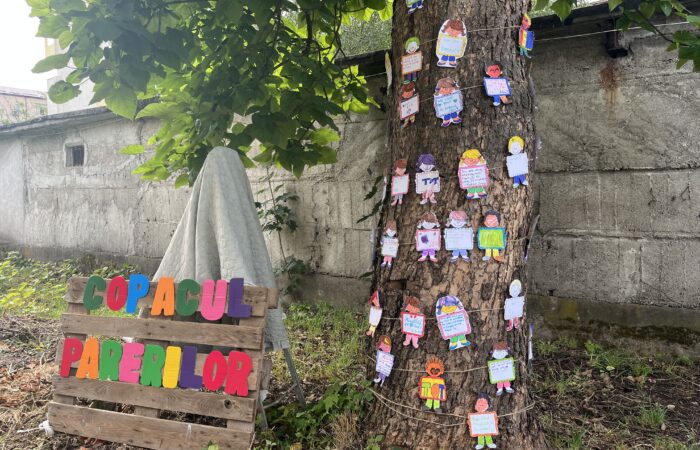
Little by little, from a letter and a drawing, the Pirita support program for children with incarcerated parents was born.
For Manu and Alina, the Easter and Christmas letters became a ritual. A way of saying “I love you” beyond prison bars. Phone calls followed—conversations filled with tears, but also with relief and calm.
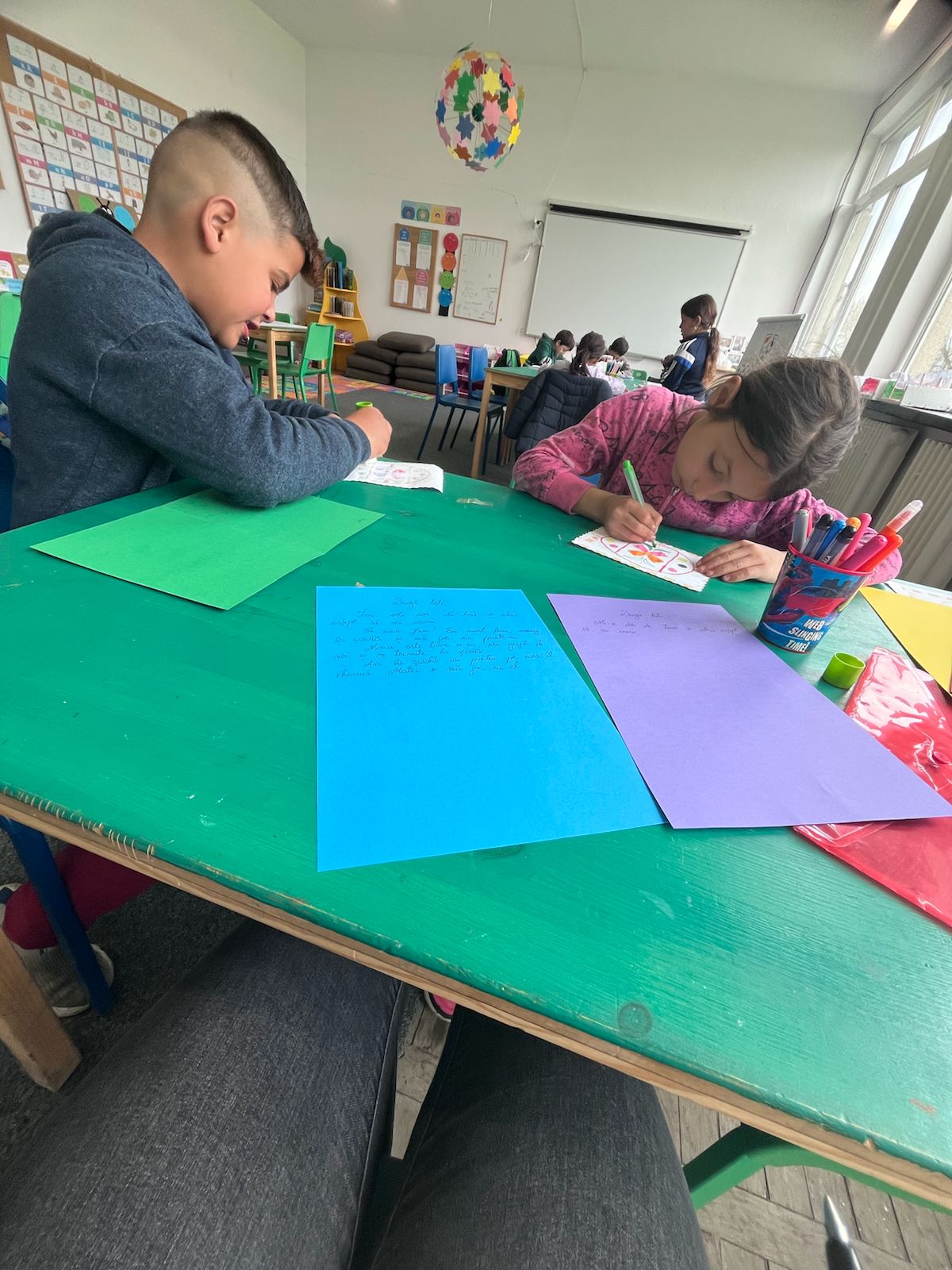
In January, we were able to provide material and financial support so that the children’s father could take them to visit their mother at Arad Prison. For the children, that day was not about a prison. It was about a long-awaited hug.
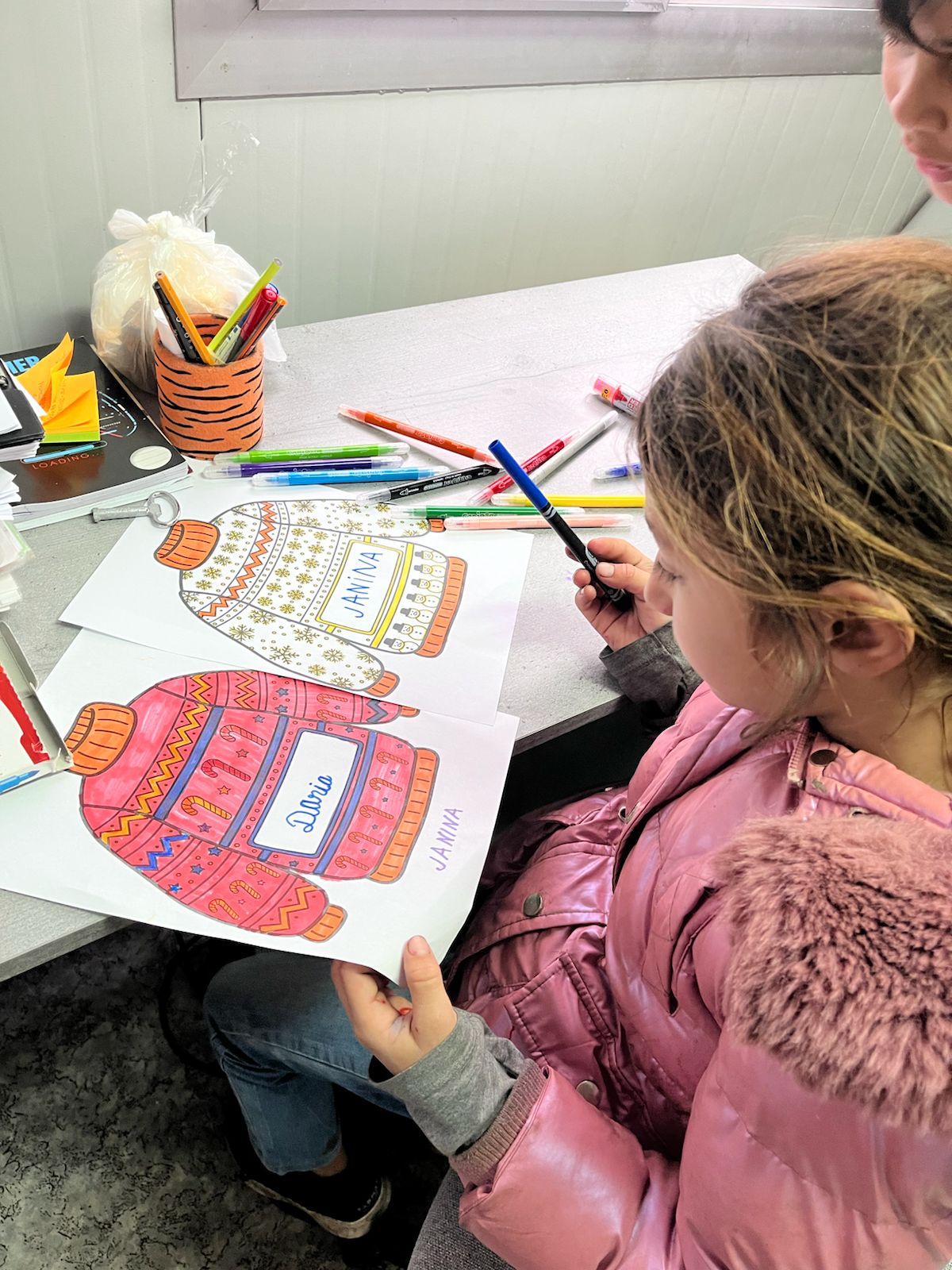
For Daria and Janina, the connection with their father was maintained through letters, drawings, and visits made possible with our support. We also supported them with weekly food assistance, because the absence of a parent often means material deprivation as well.
In Janina’s case, we observed deep separation anxiety: a constant fear of being left alone without her sister, intense emotional reactions, frequent crying, and heightened sensitivity to stress. These are the signs of a child who has lost a vital source of safety.
The absence of a parent is not just a physical absence—it is an emotional wound that grows along with the child.
The incarceration of a parent does not affect only the person sentenced. It impacts the entire family, and children are the most vulnerable.
In the Pirita community, over more than ten years of working alongside children and parents, we have seen how the absence of a parent leads to low self-esteem, emotional difficulties, separation anxiety, depressive episodes, and serious problems at school. Many of these children begin to miss school frequently, struggle academically, and eventually drop out.
Beyond all this, there is stigma. Shame. Labels. Children are judged for the actions of the adults in their lives. They are excluded, mocked, marginalized—and often come to believe that they themselves are at fault.
When the mother is incarcerated, the trauma is often even deeper. The long distance to prisons makes visits rare, and the child–mother relationship quickly becomes fragile. The child’s age at the moment of separation matters enormously. Some lose interest in the relationship altogether; others experience emotional and behavioral regressions that follow them for years.
Because we witness these realities every day, the Pirita program aims to continue and grow.
We seek partnerships with prisons in Baia Mare, Gherla, and Arad. We want to facilitate the connection between children and their parents, provide consistent food support, monitor school attendance, help families access medical services, and prevent child labor or begging.
Most importantly, we want to be there emotionally—with trained people ready to listen and support.
Because these children are not “children of prisoners.”
They are children who need love, stability, and hope.
Sometimes, rebuilding a relationship begins with something very small.
A letter.
A drawing.
A photograph.
But for a child waiting for their mother or father, these things can keep alive the fragile bridge between “what was” and “what still is.”