0758-570-751
 0758-570-751
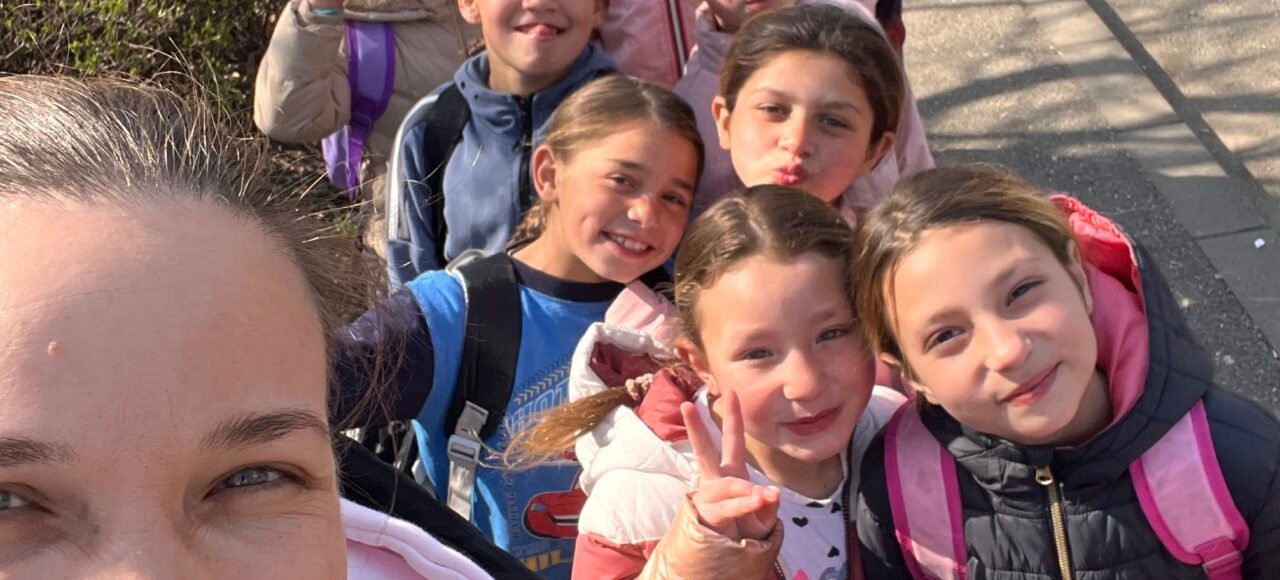
For most children, going to school seems like a natural part of life.
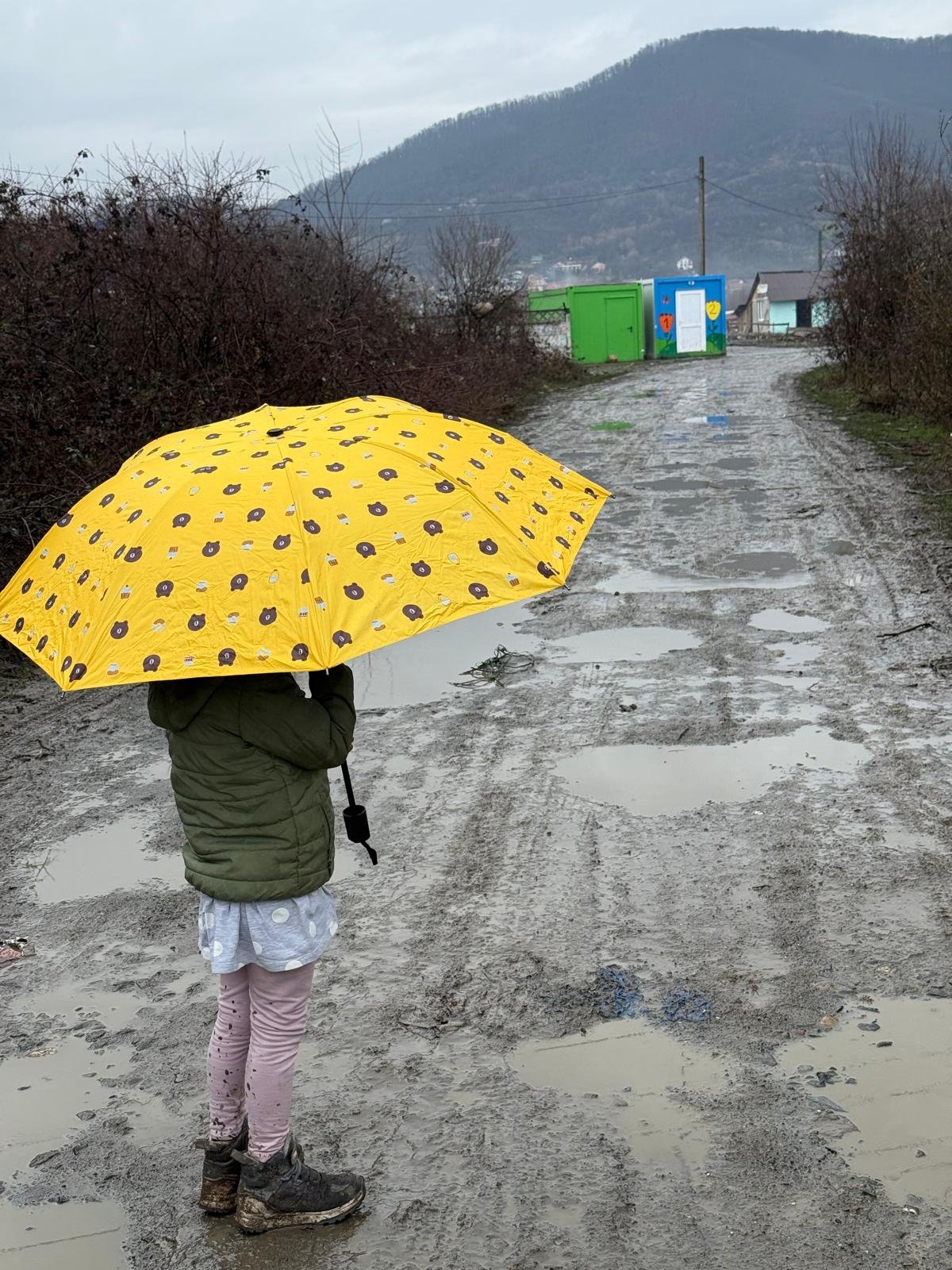
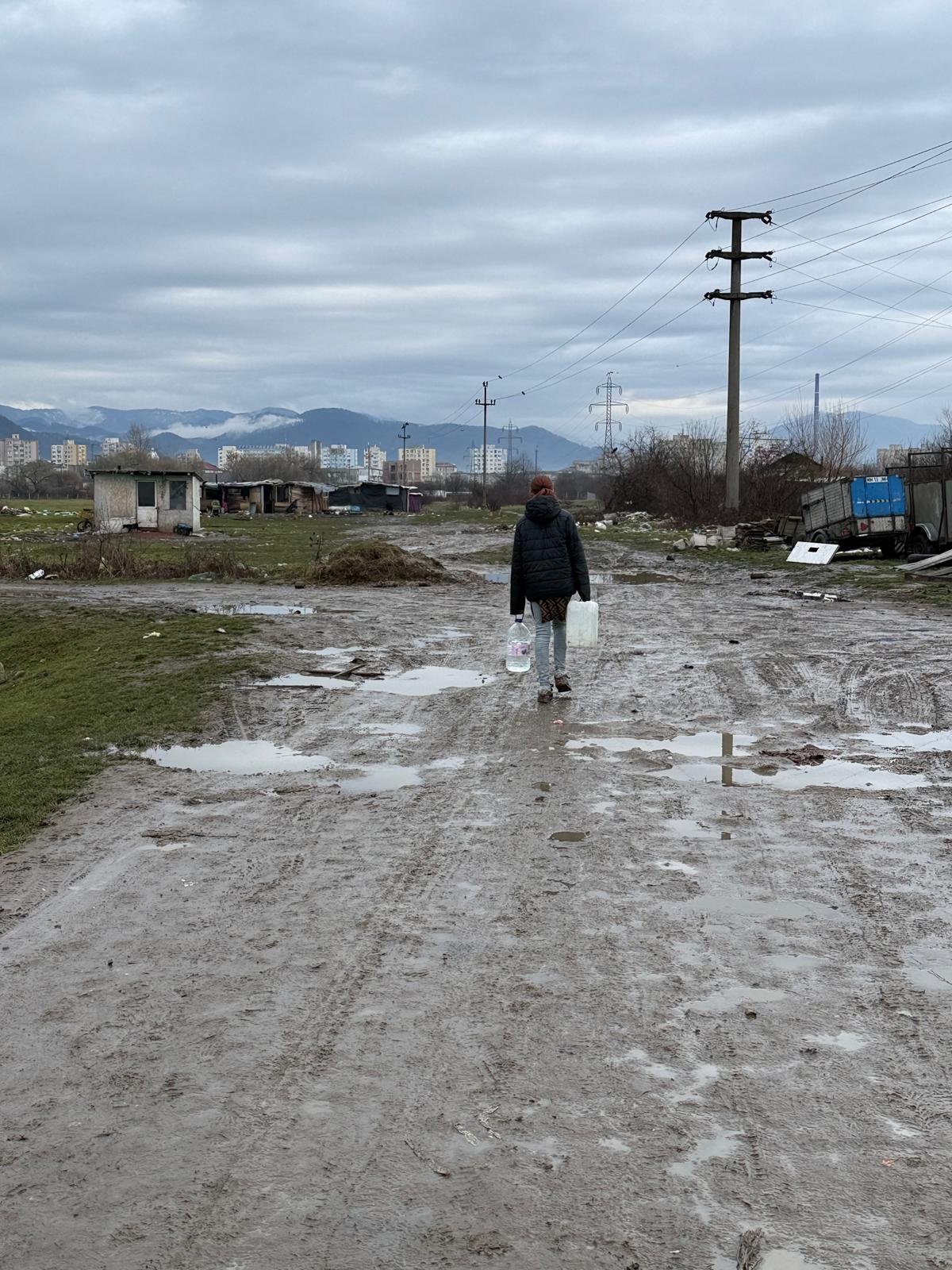
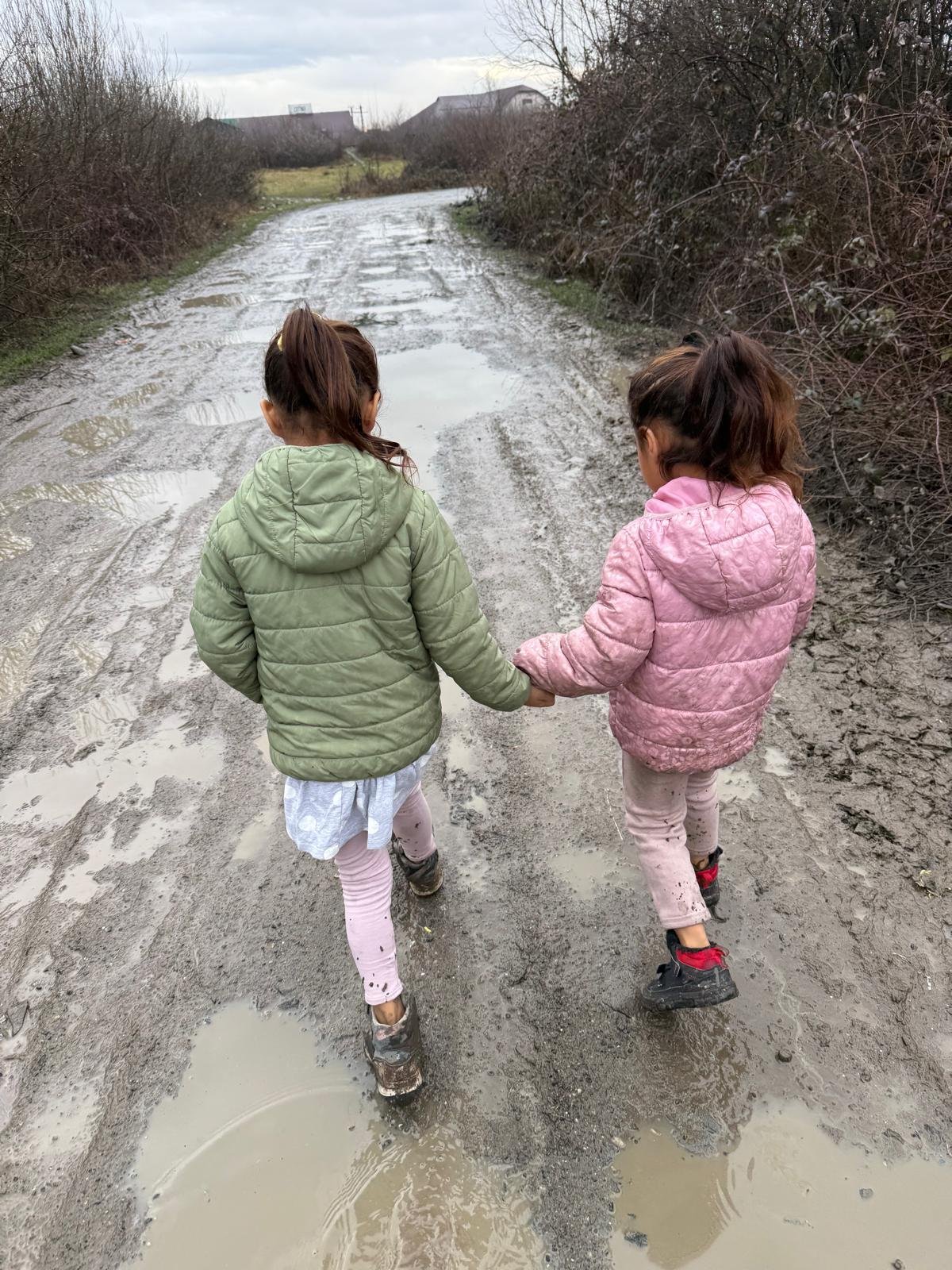
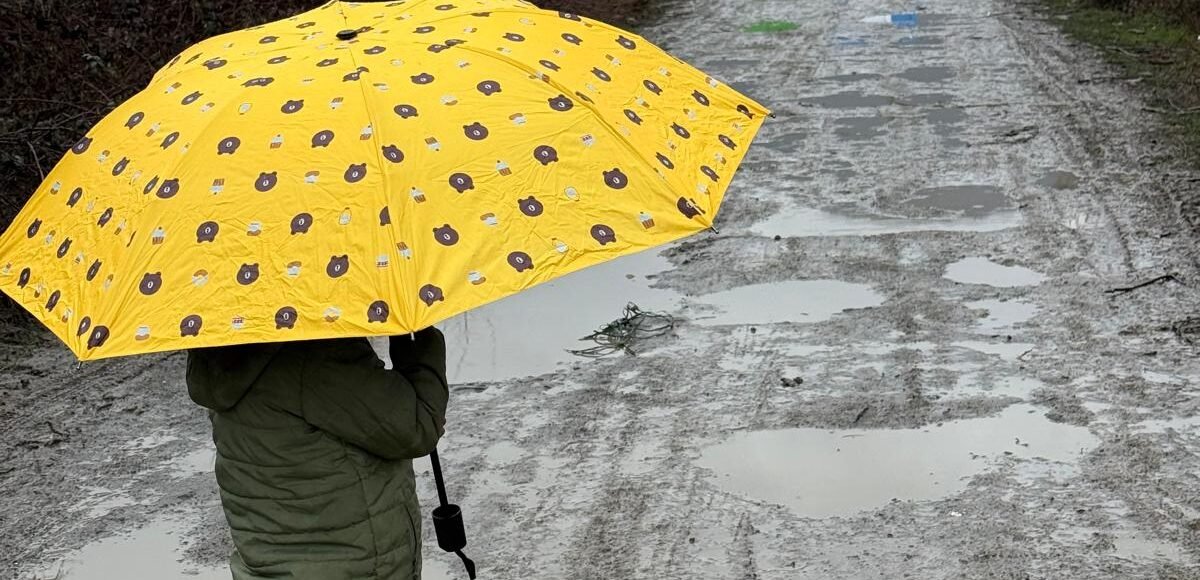
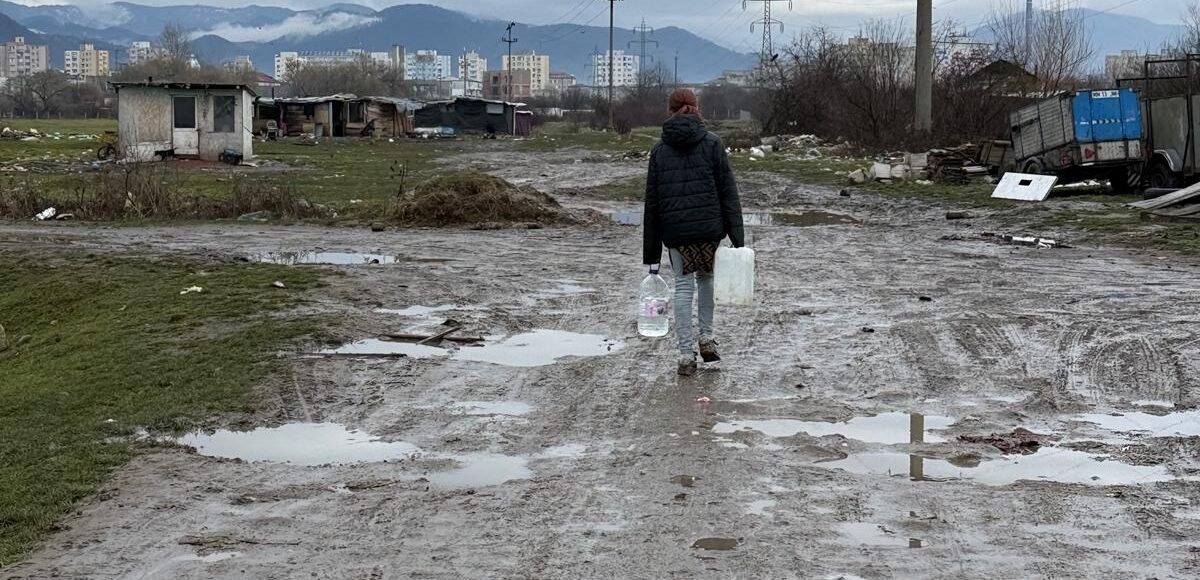
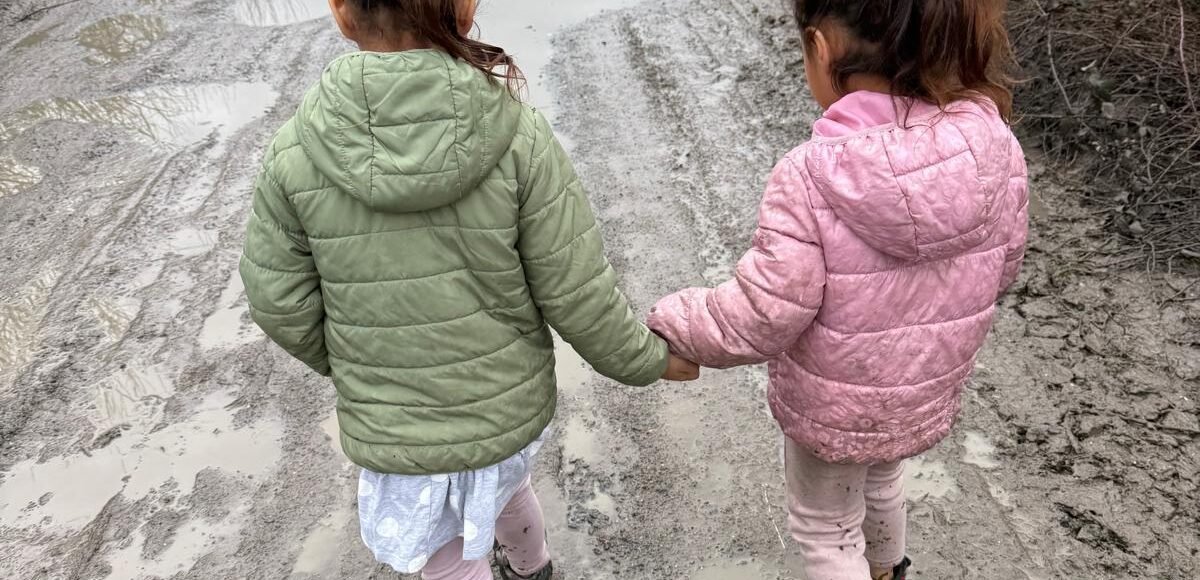
In the Pirita community in Baia Mare, however, every school day they manage to attend is the result of a struggle against bureaucratic barriers, extreme poverty, and prejudice.
In this context, girls bear multiple burdens: household responsibilities taken on at a young age, the risk of dropping out of school early, the pressure of early marriage, and a lack of access to essential information about their own bodies and rights.
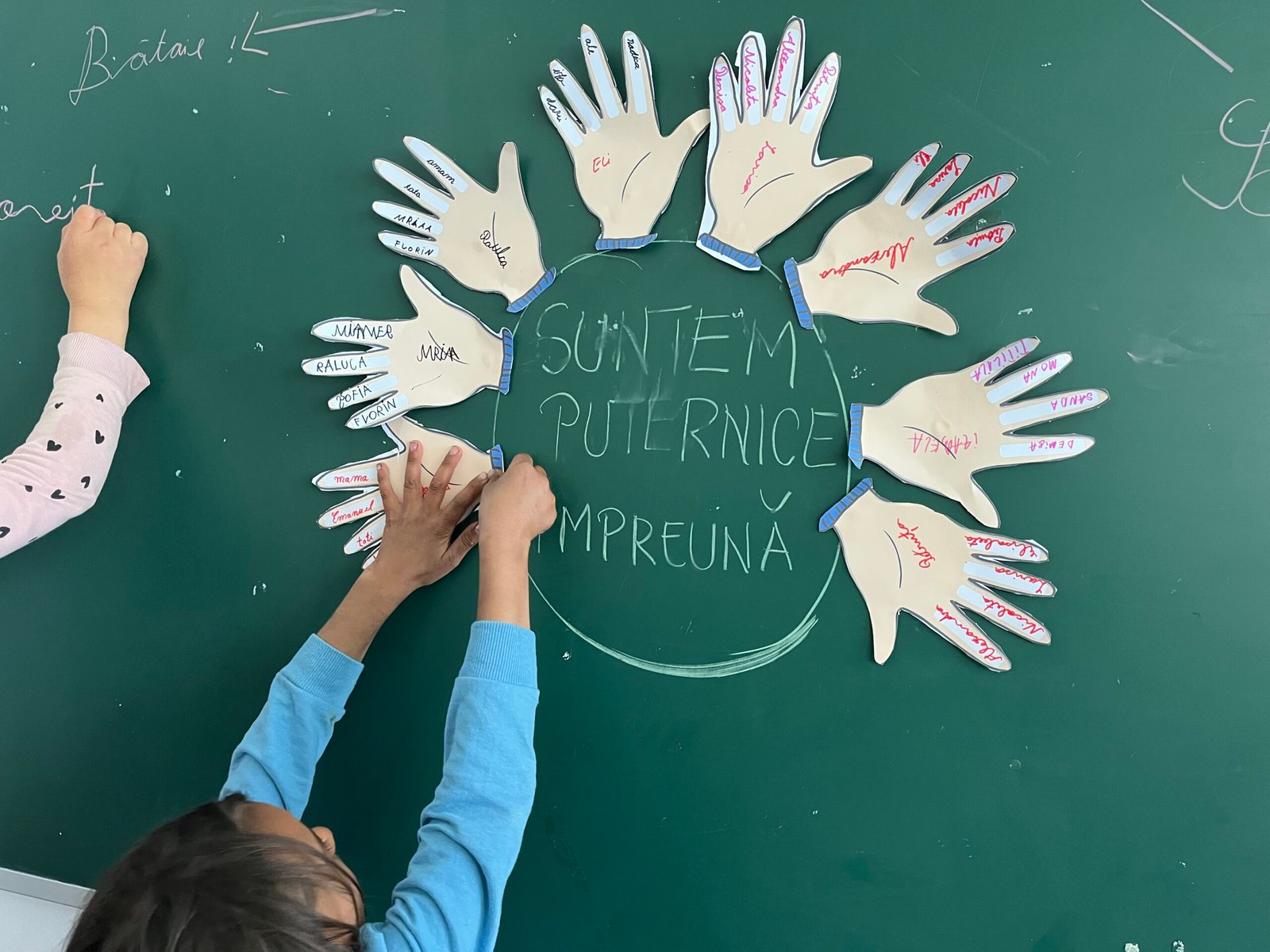
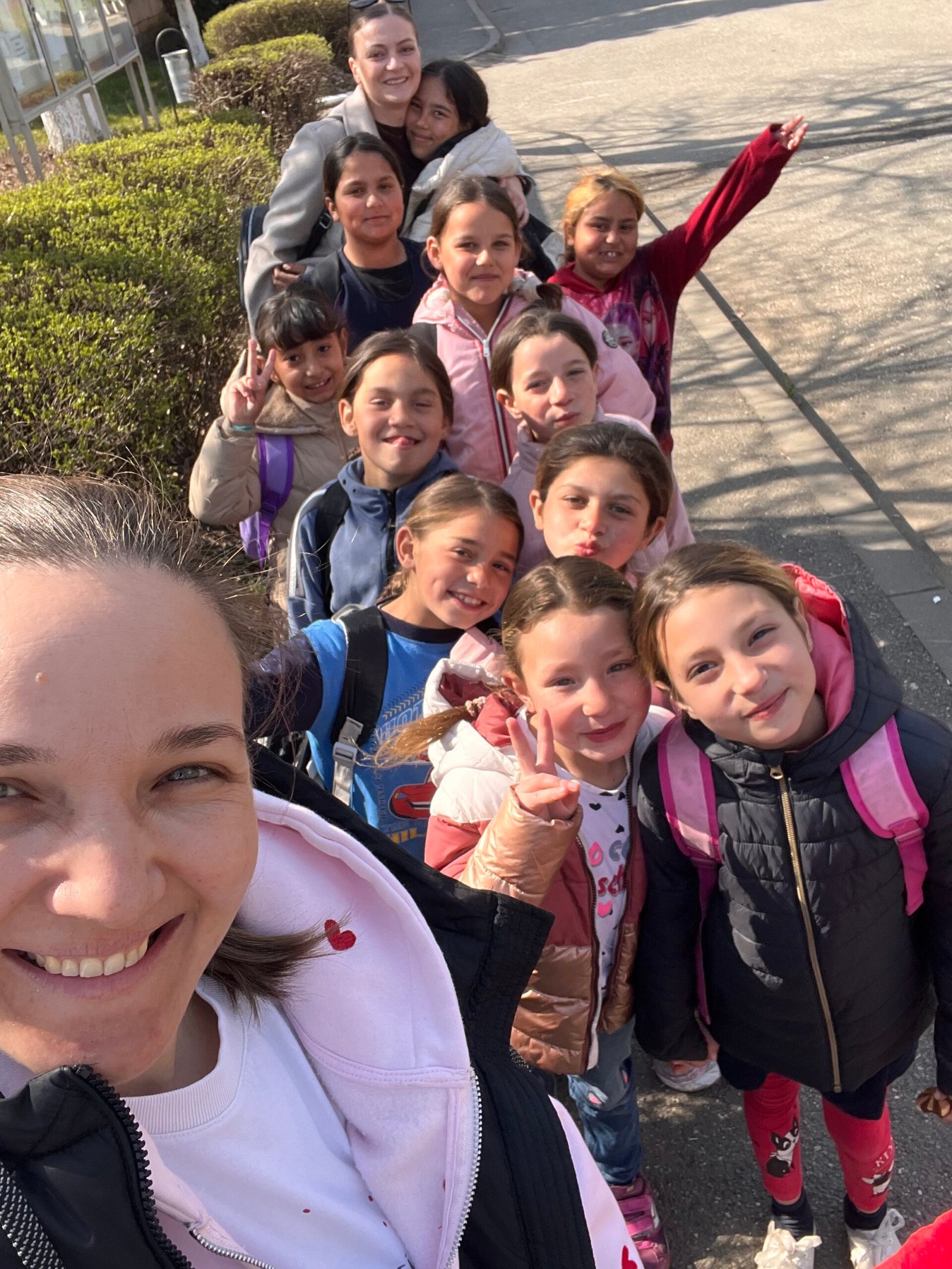
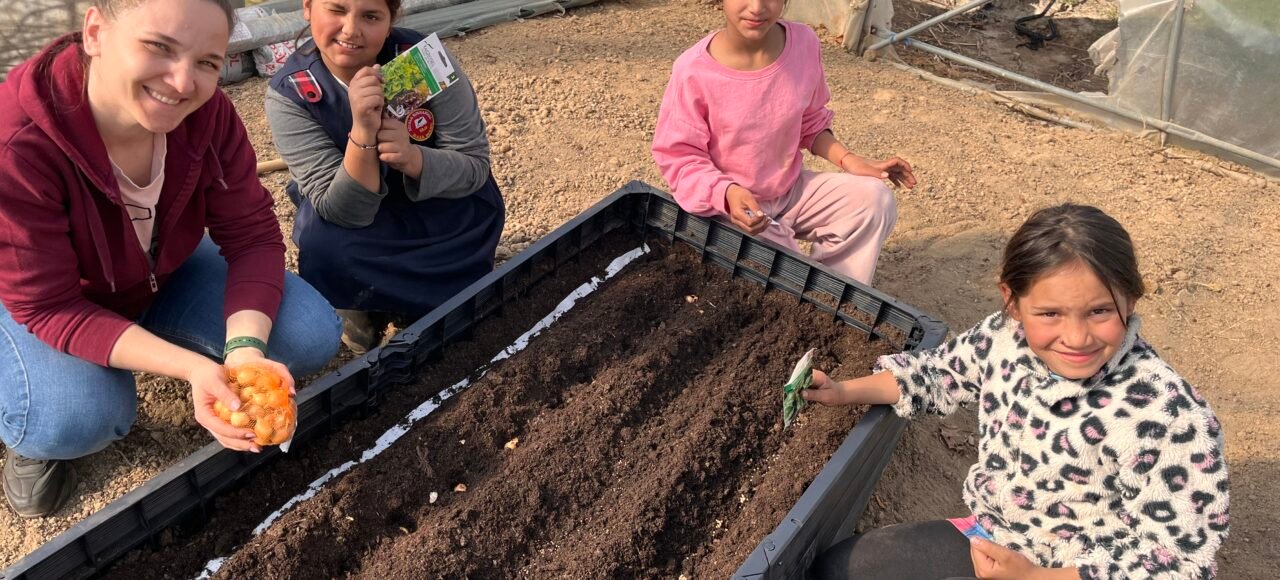
This is how the project “Girls Are the Heart of the Community—No Girl Left Behind” came to be, initiated by the Pirita Children Association in partnership with and funded by the E-Romnja Association, and with support from ERIKS Development Partner and the Pe Stop Association.
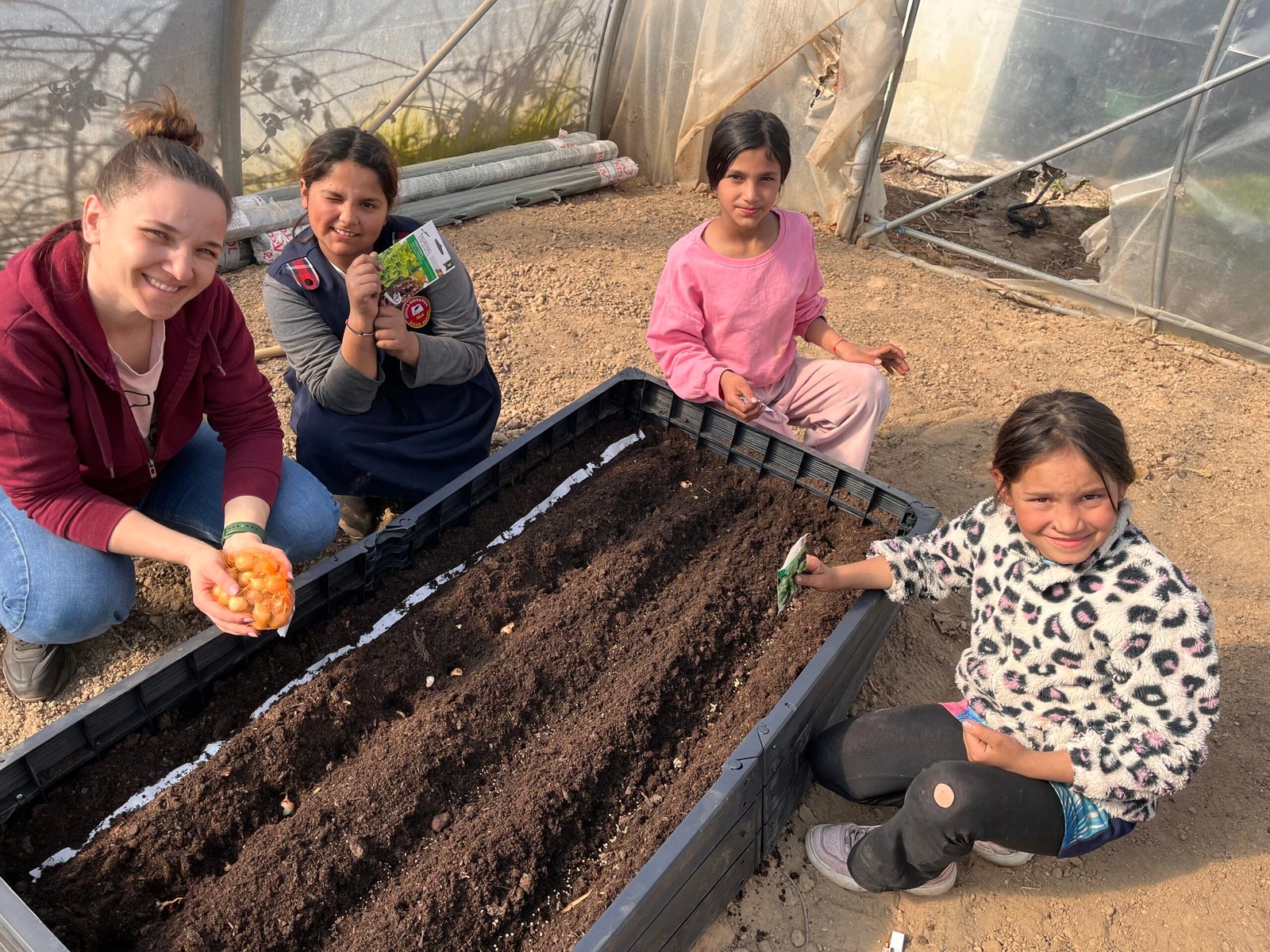
The main goal? To keep girls in school by providing them with a safe, dignified, and autonomous environment.
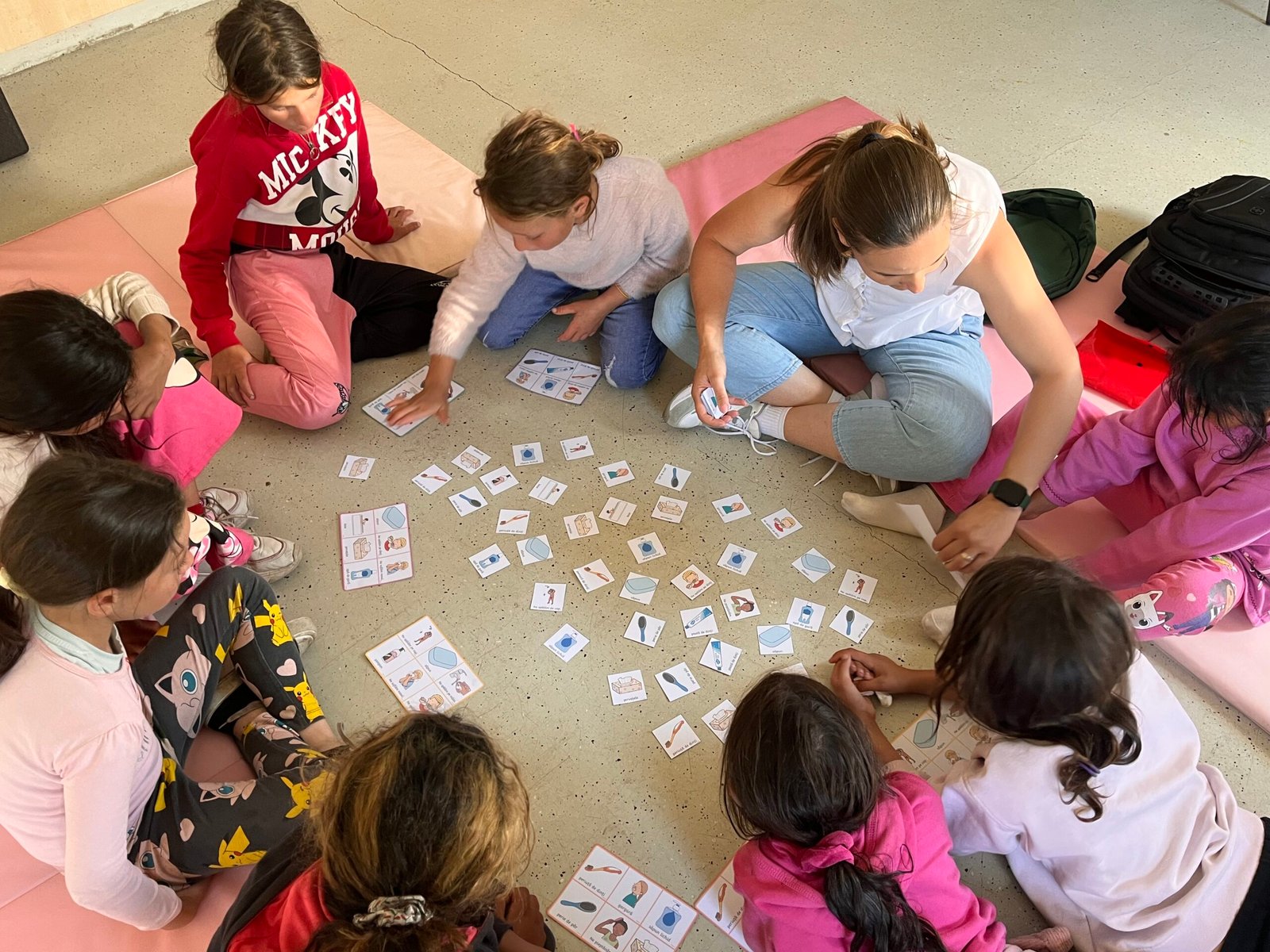
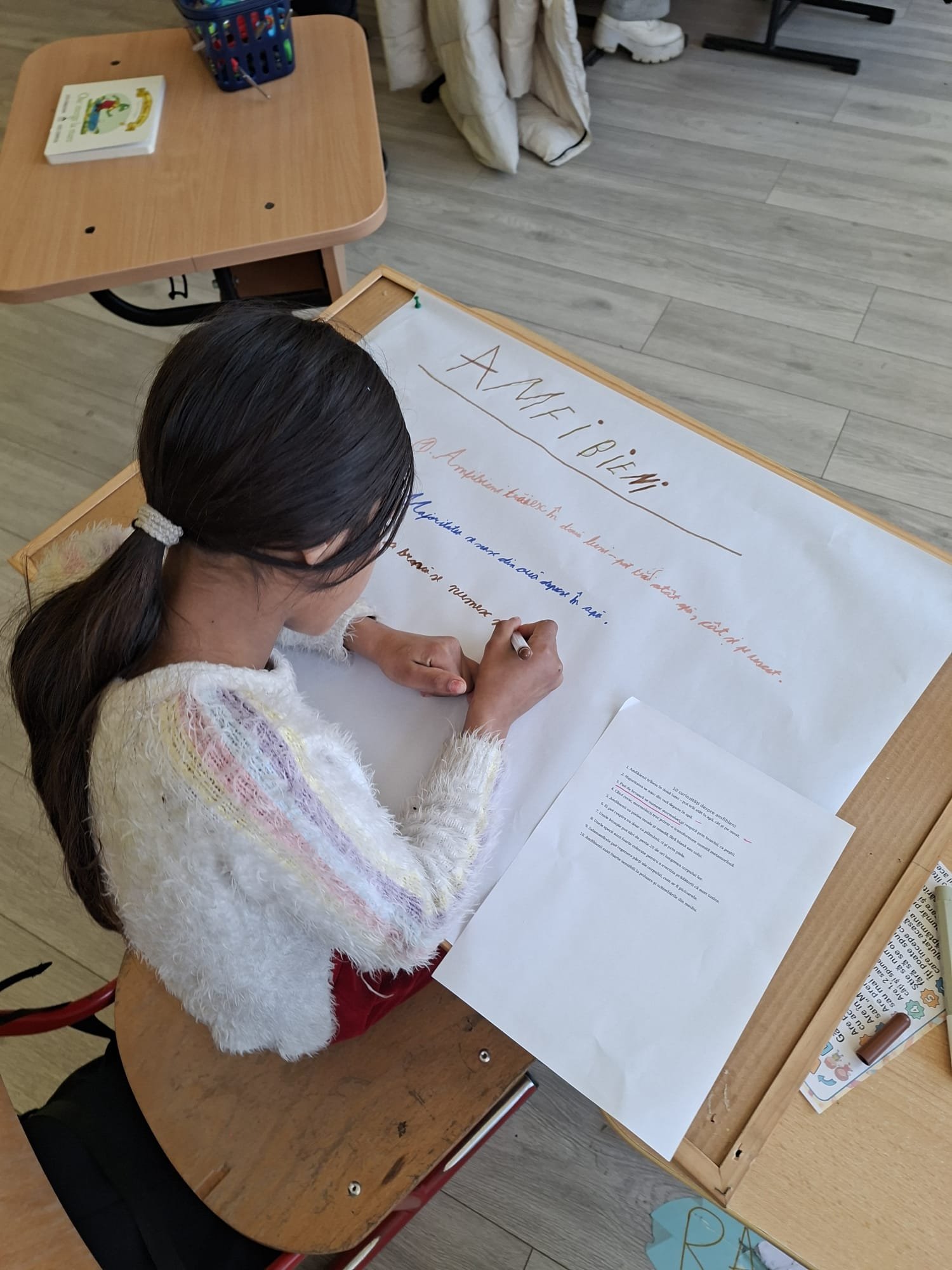
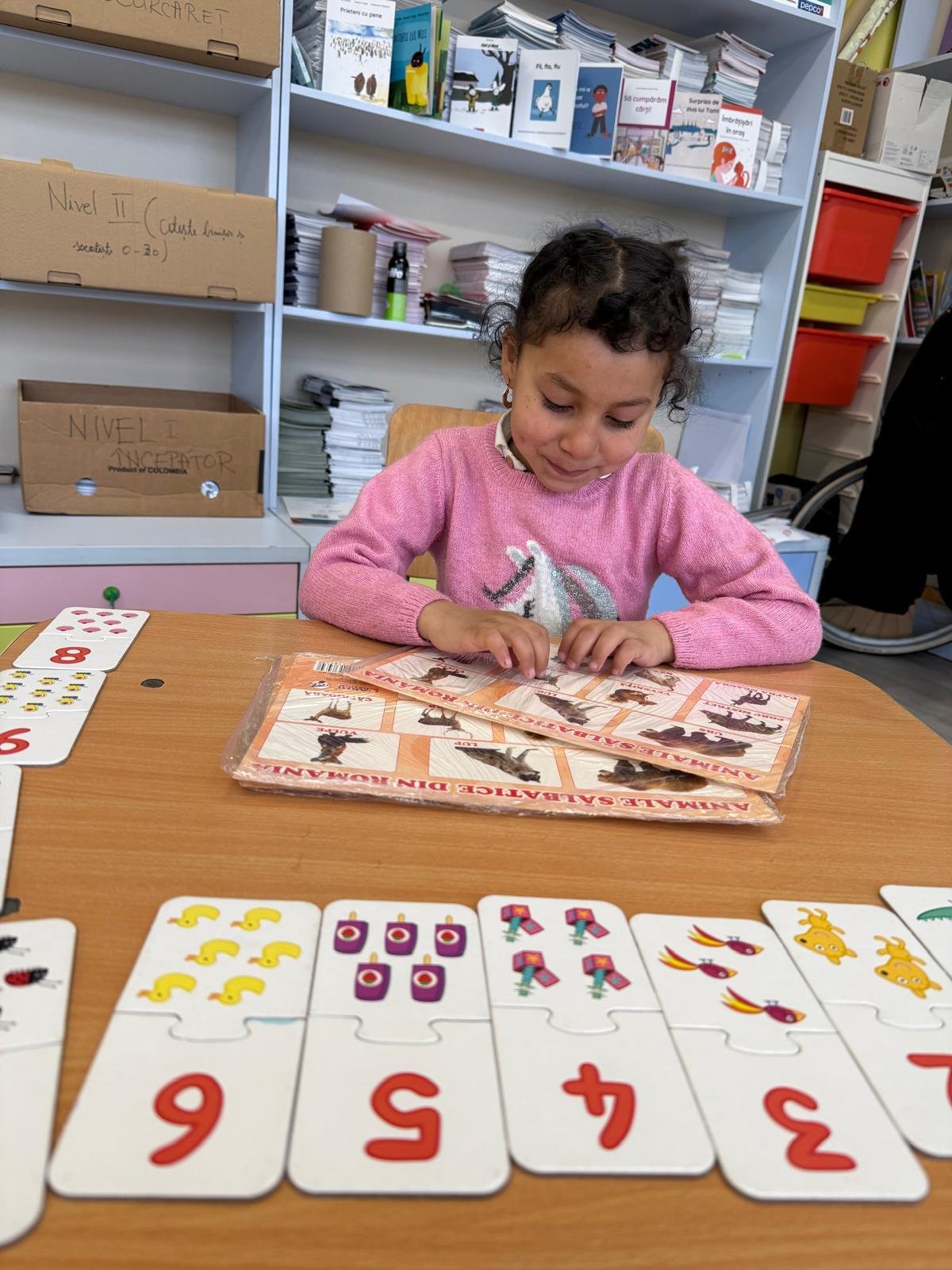
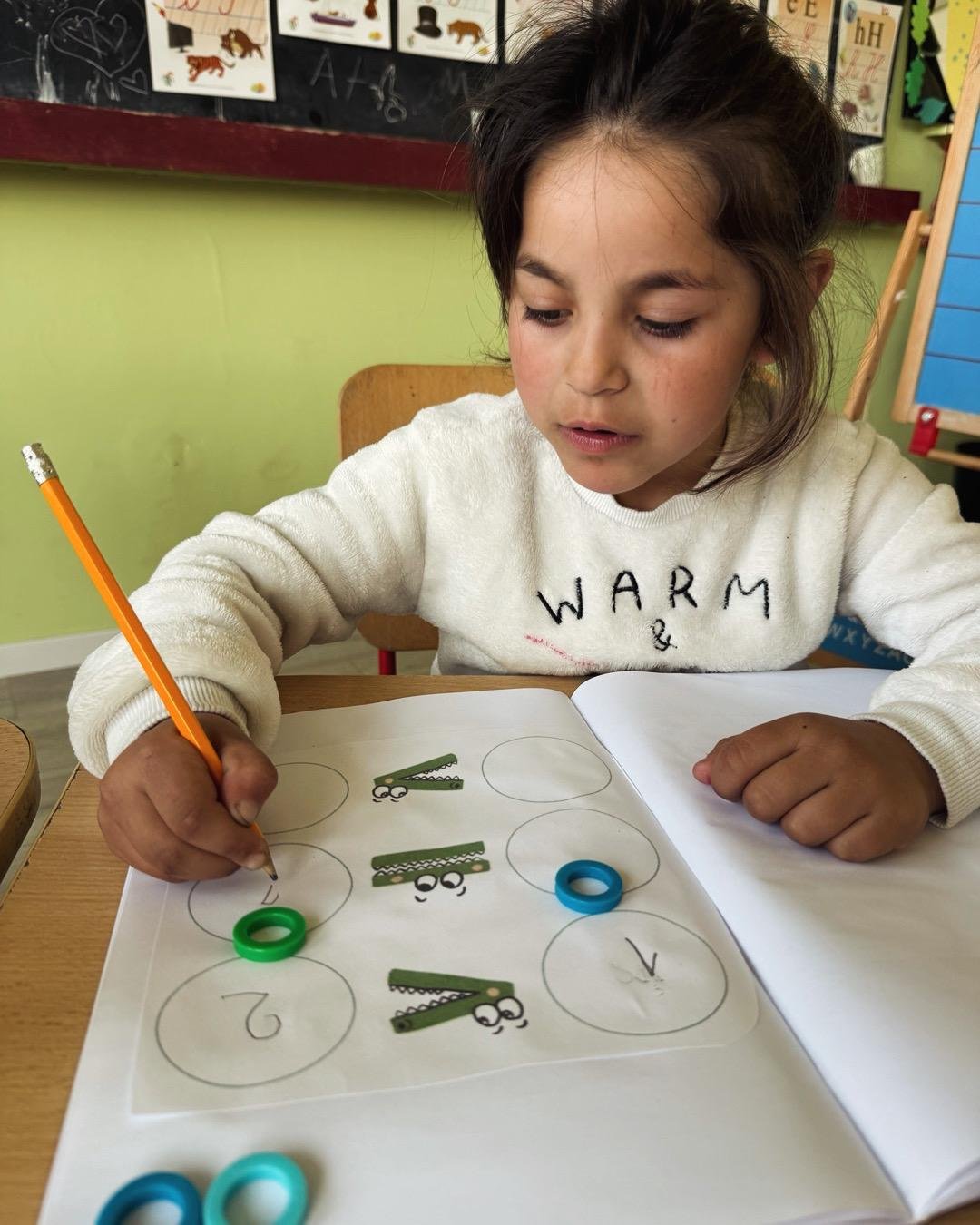
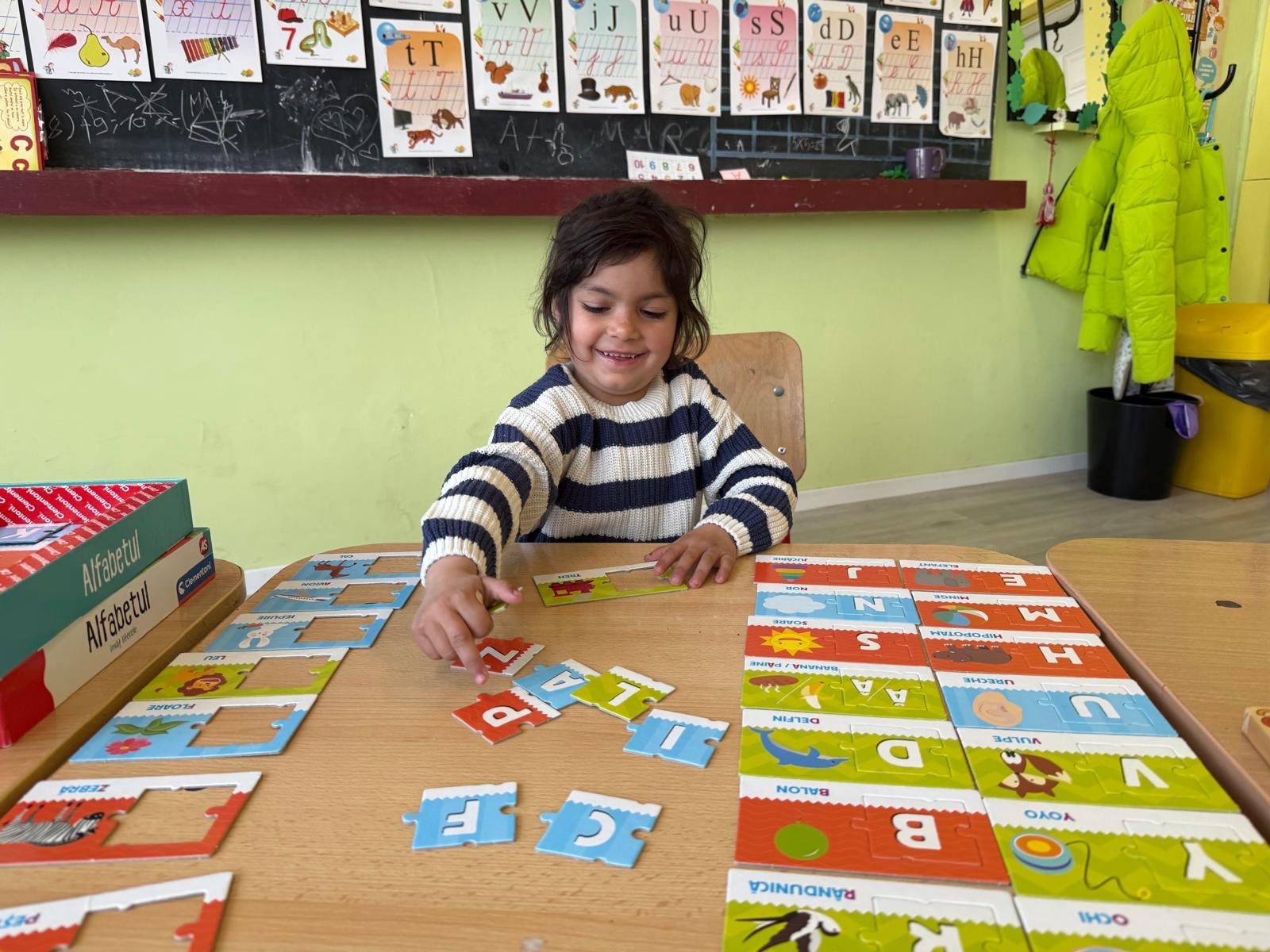
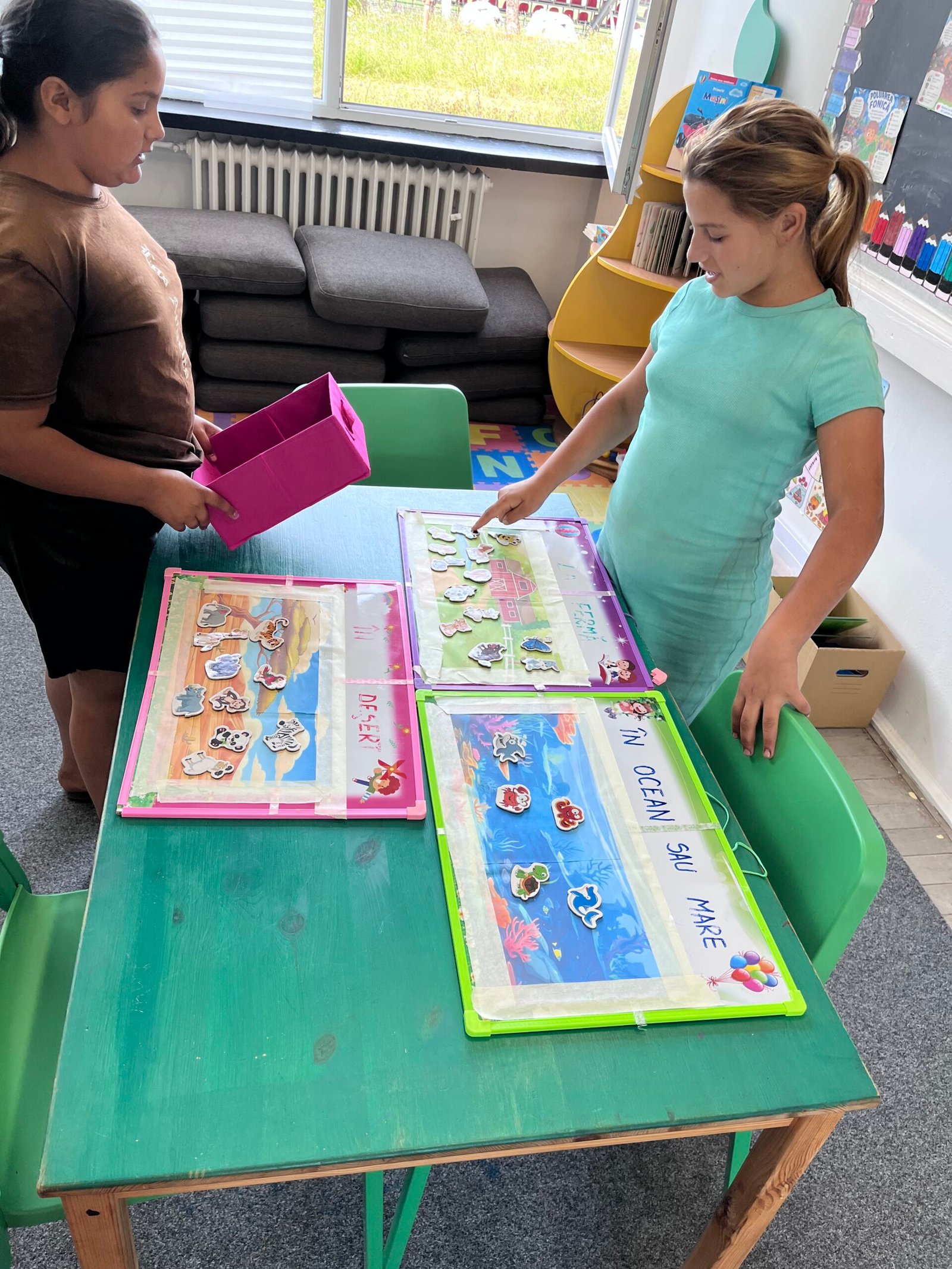
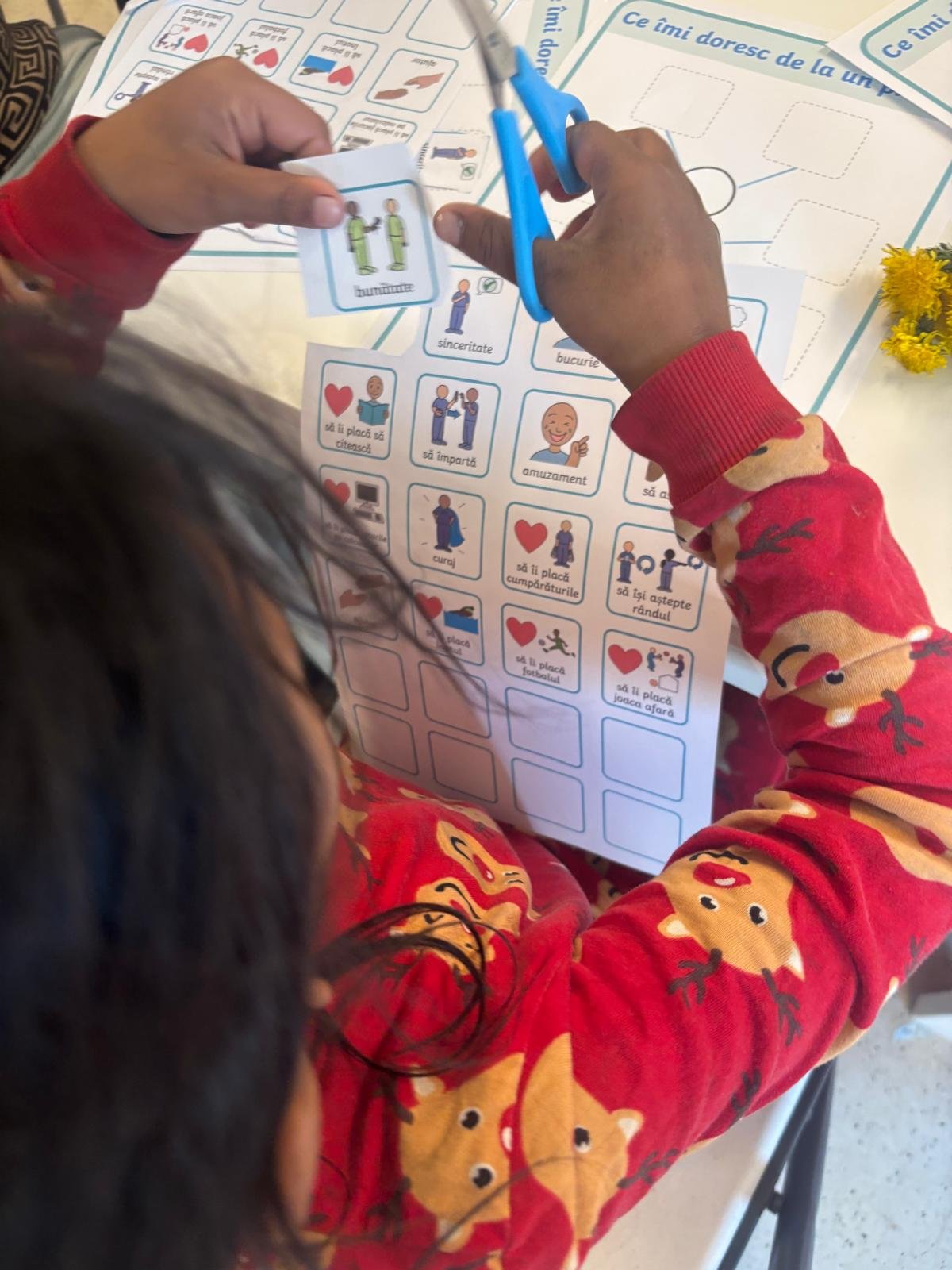
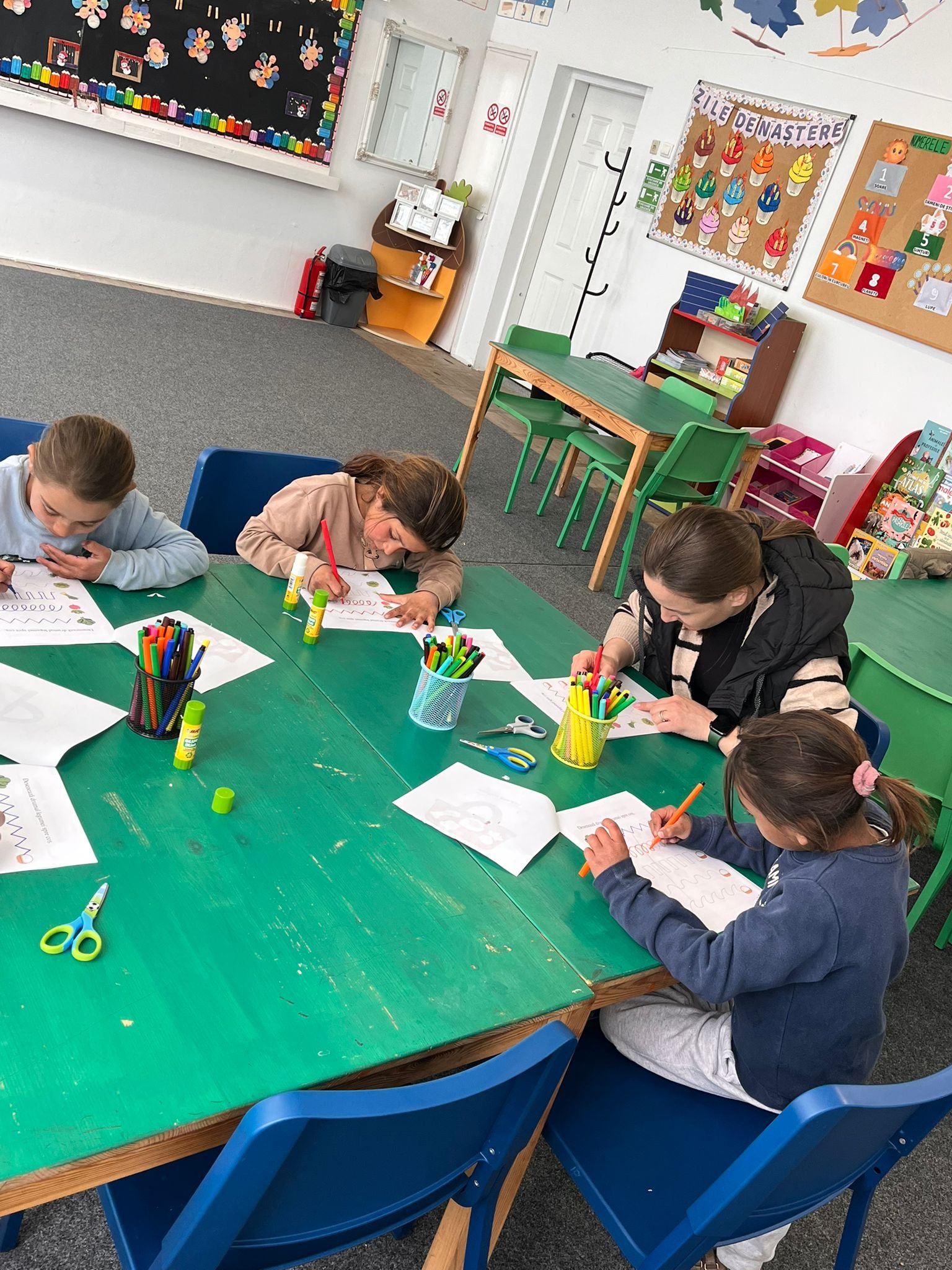
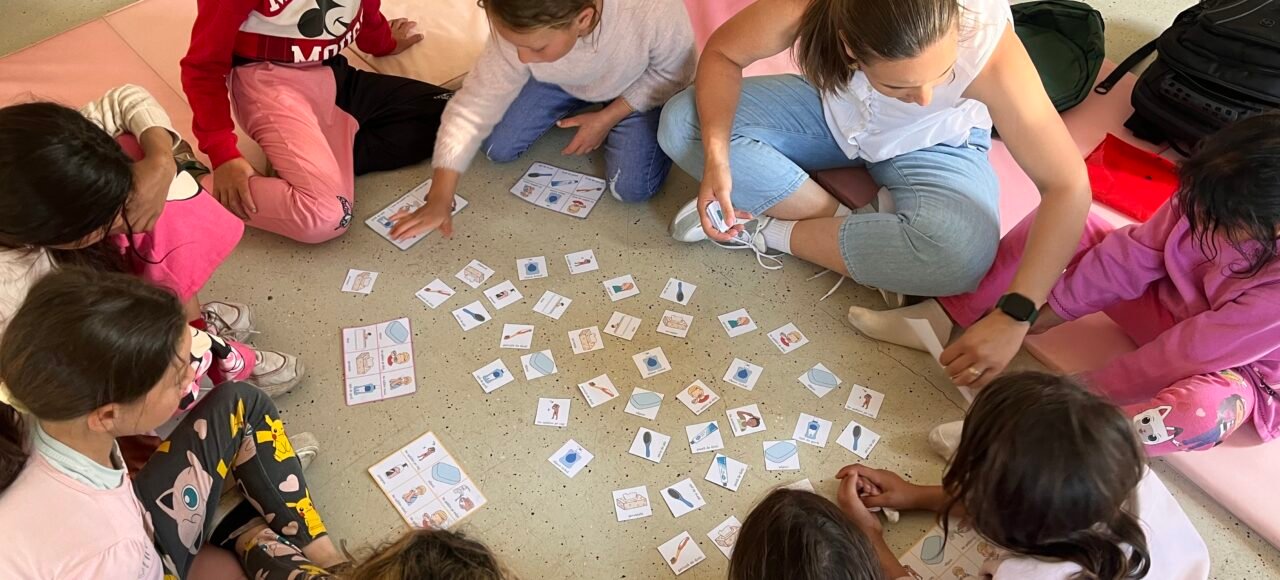
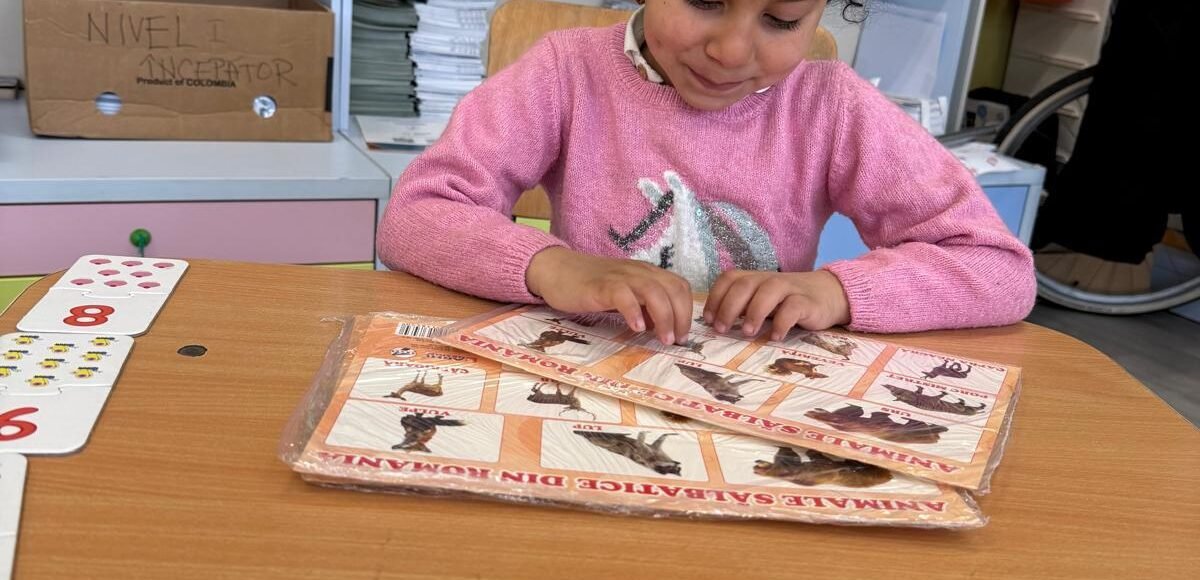
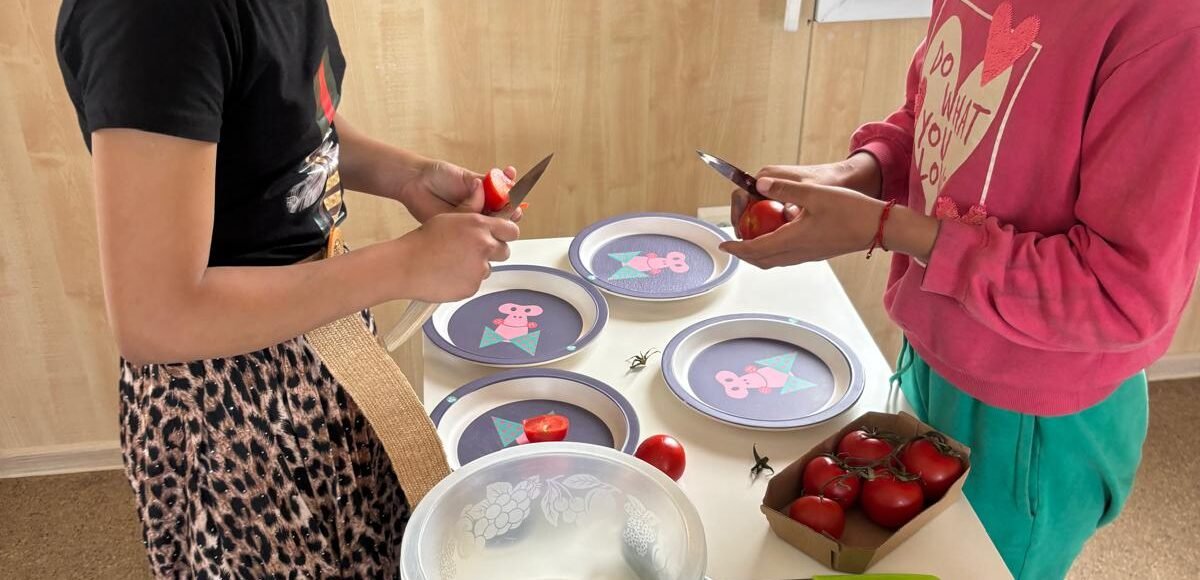
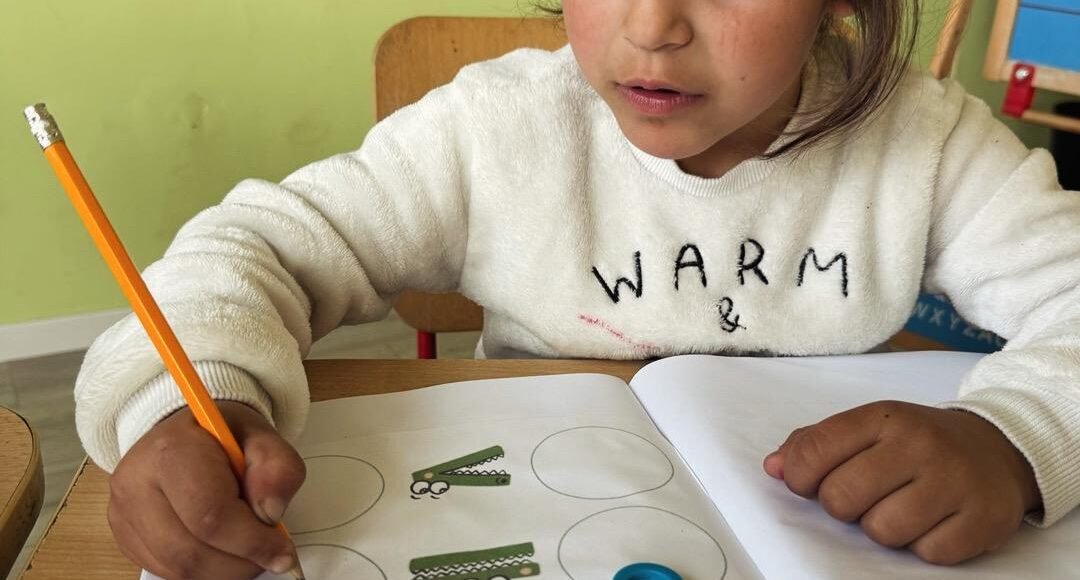
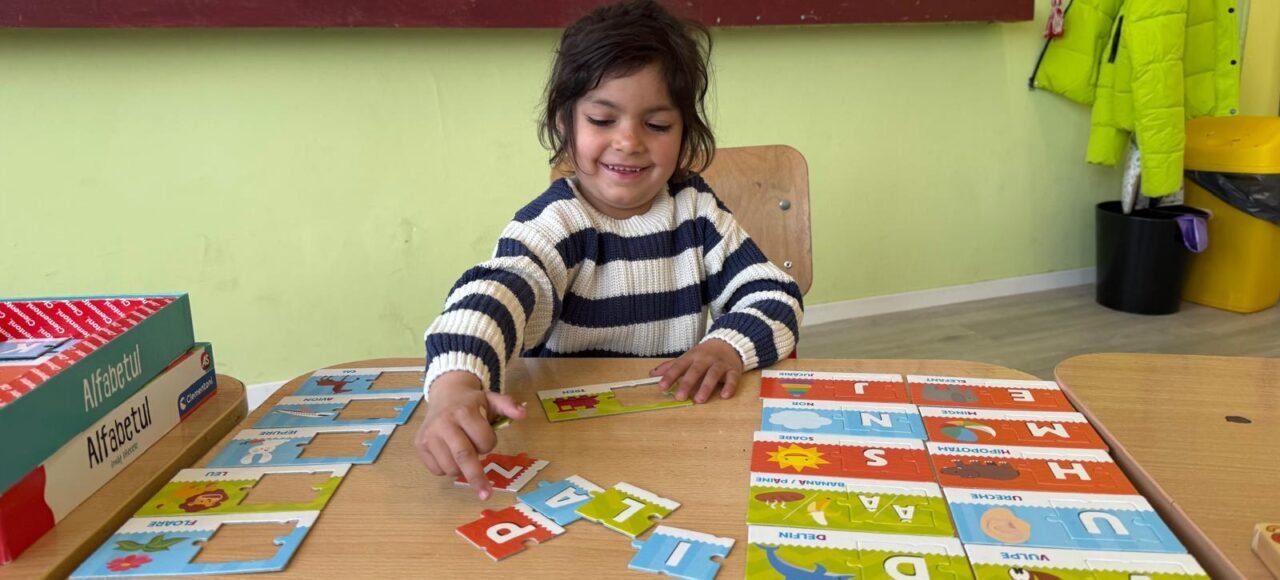
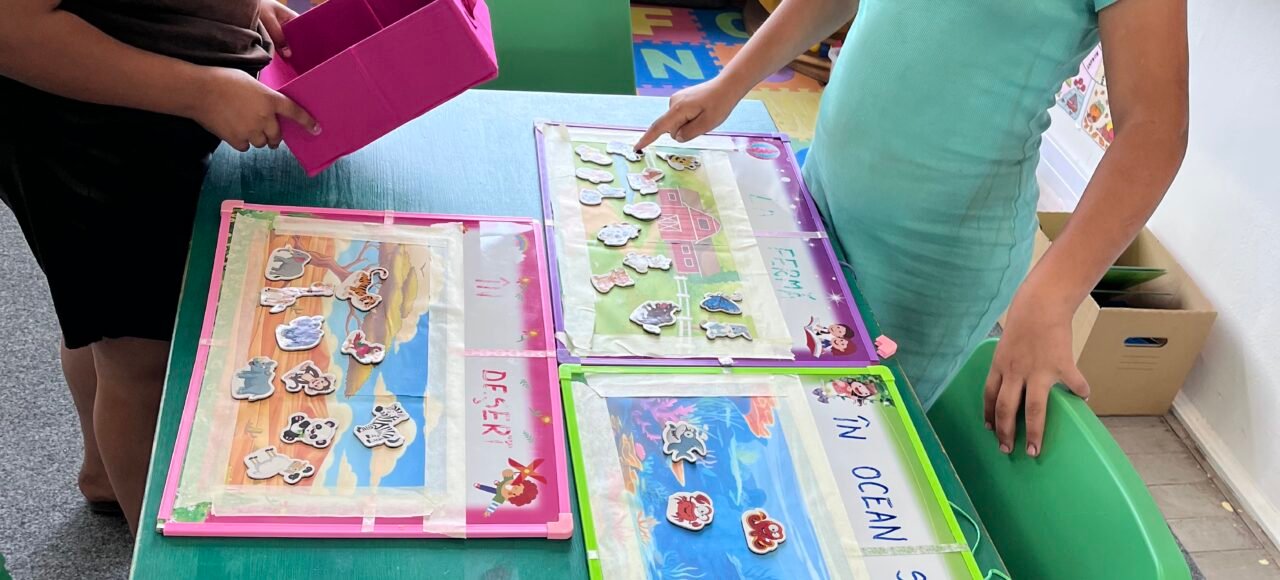
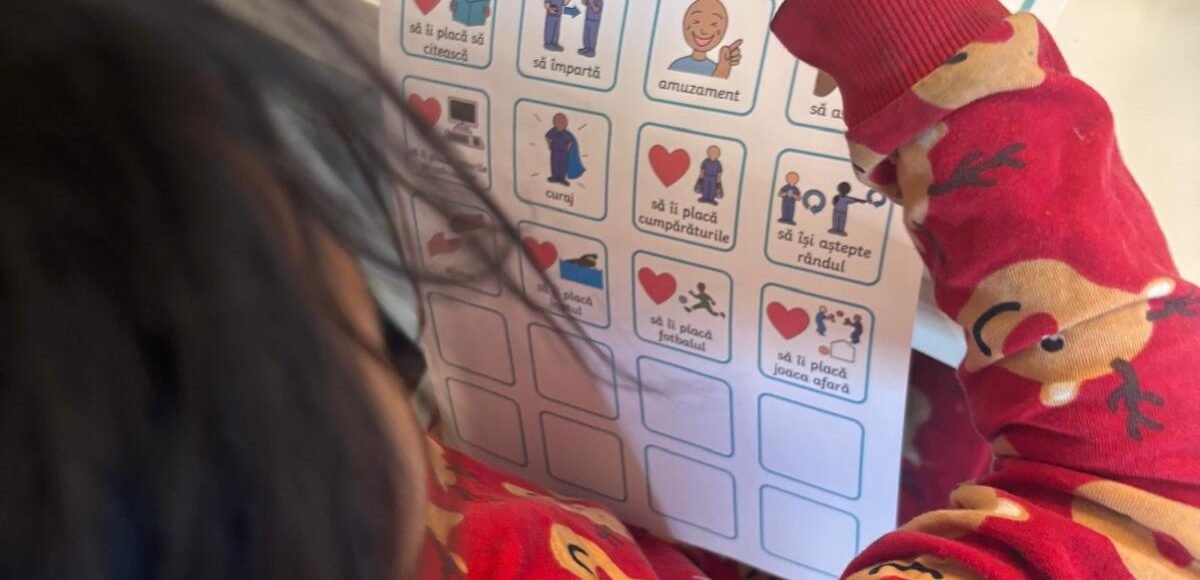
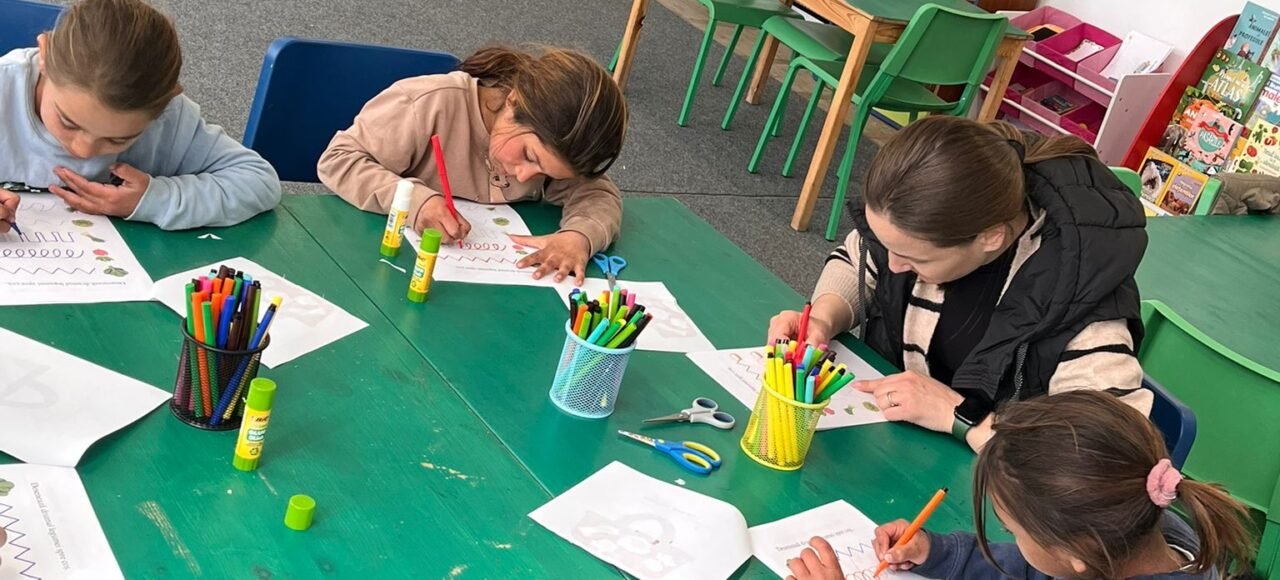
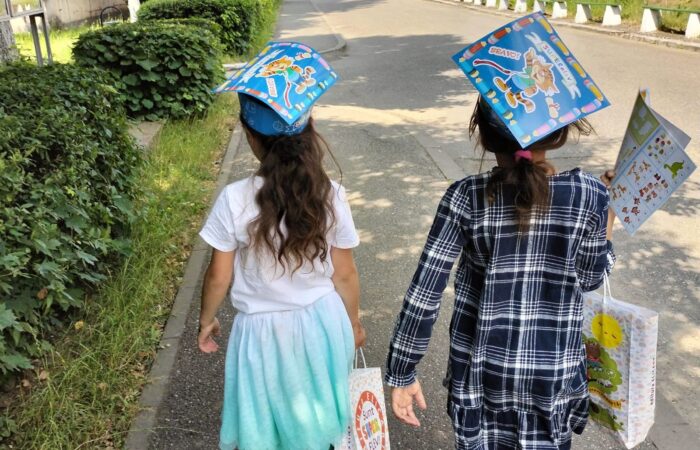
For the girls in the older group—Paula, Rahela, Sara, and Alexandra—the journey to school began with individualized support: exercises in workbooks, memory games, expressive activities, and hygiene skills.
We worked closely with the families, explaining the enrollment process for the preparatory class to the mothers and working together to overcome the obstacle of “no official address on their documents.”
For Maia, our ongoing support between the school and her mother helped her overcome serious adjustment issues, and for Sonia, we provided the necessary equipment for her sports tryouts.
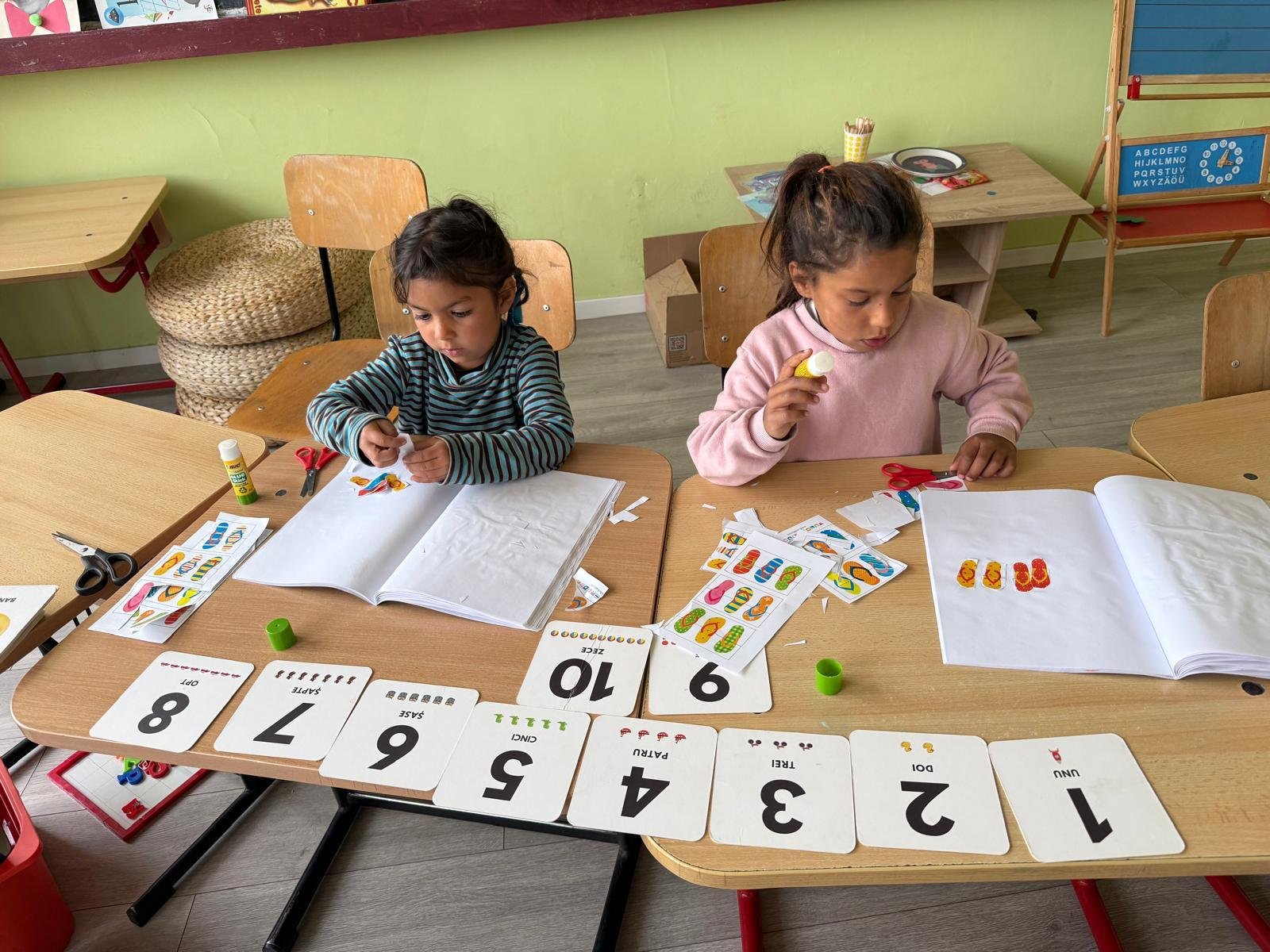
As they grow up, girls learn to recognize their own worth and to cope with bullying or stigmatization.
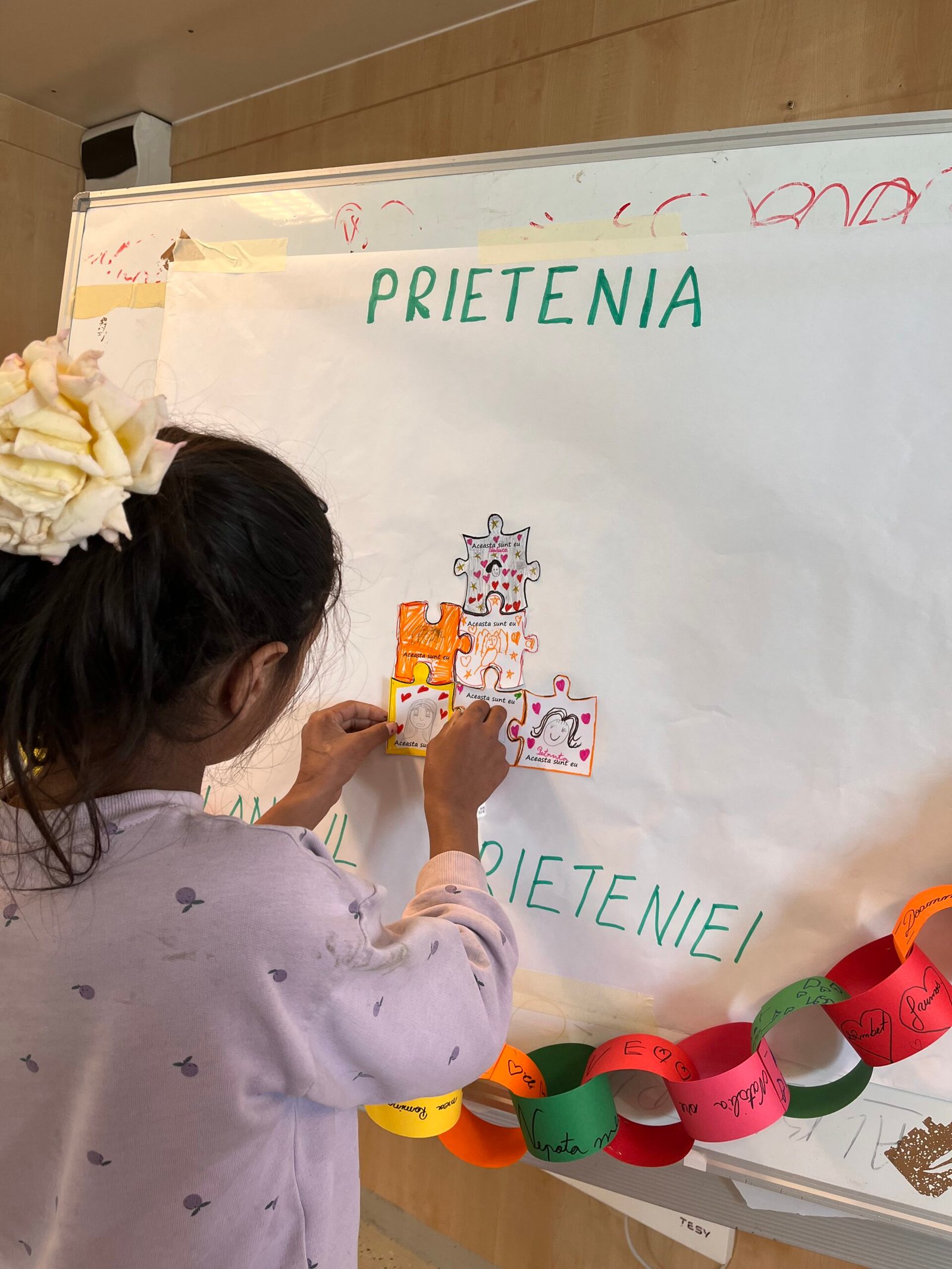
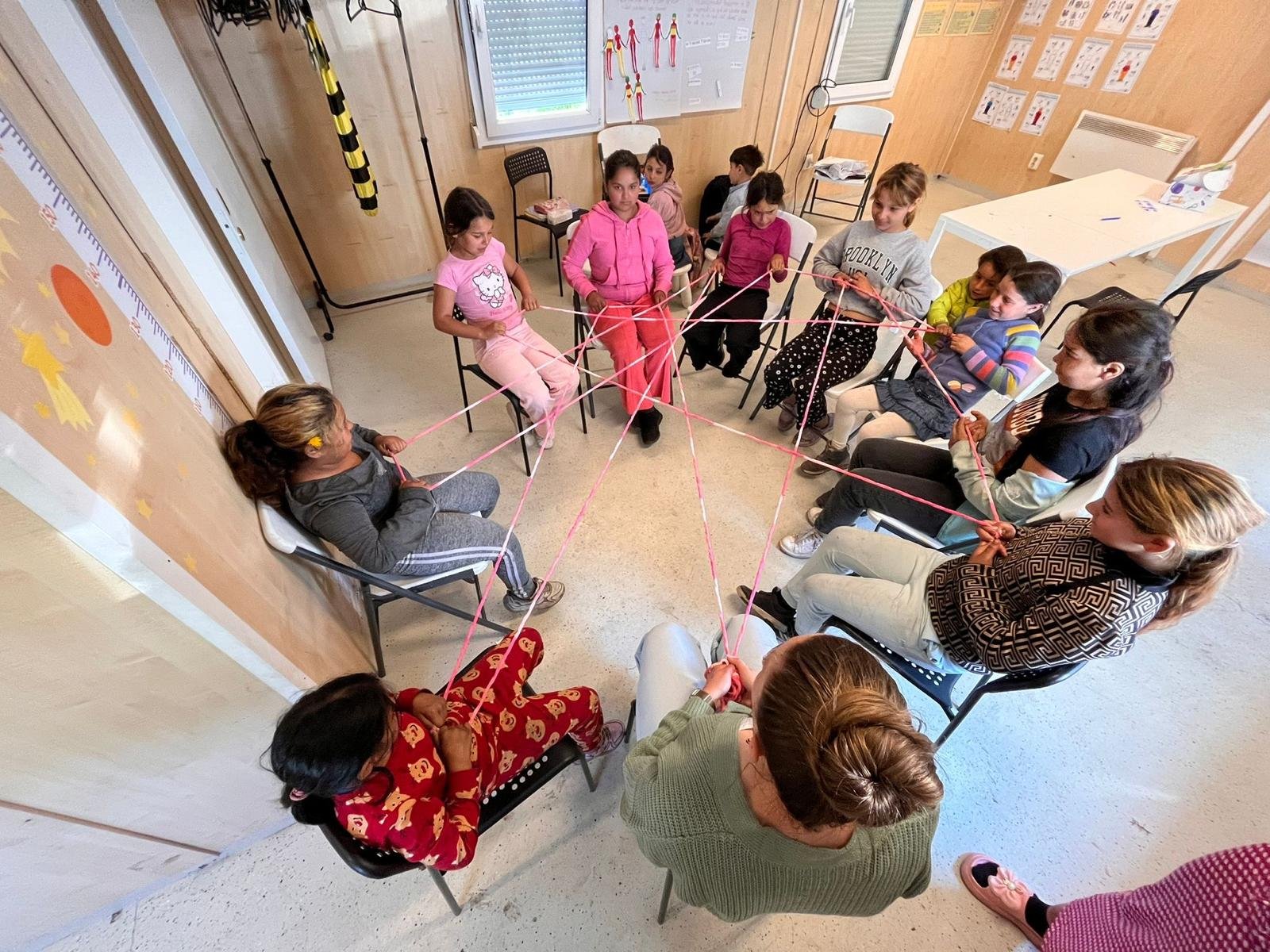
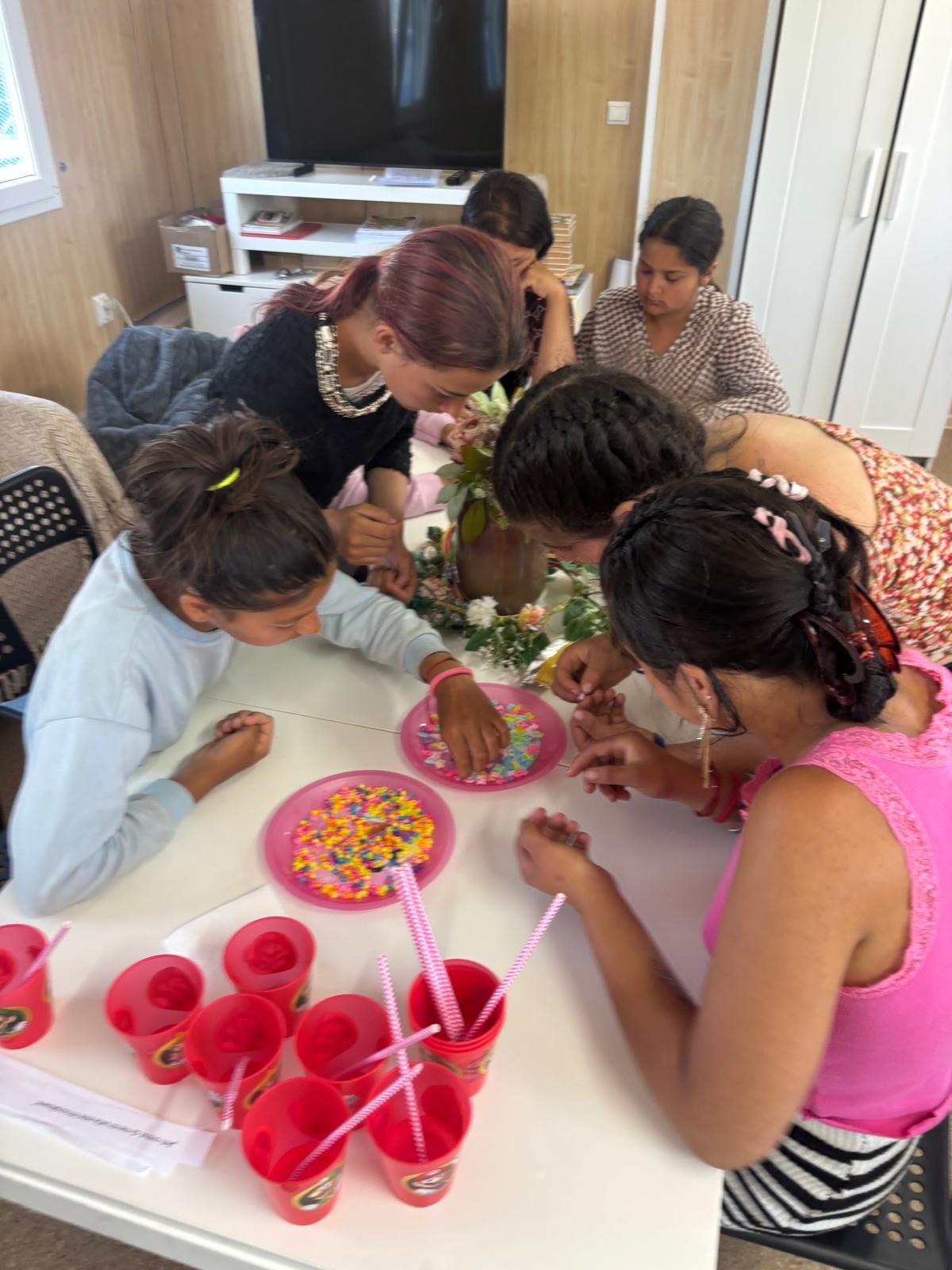
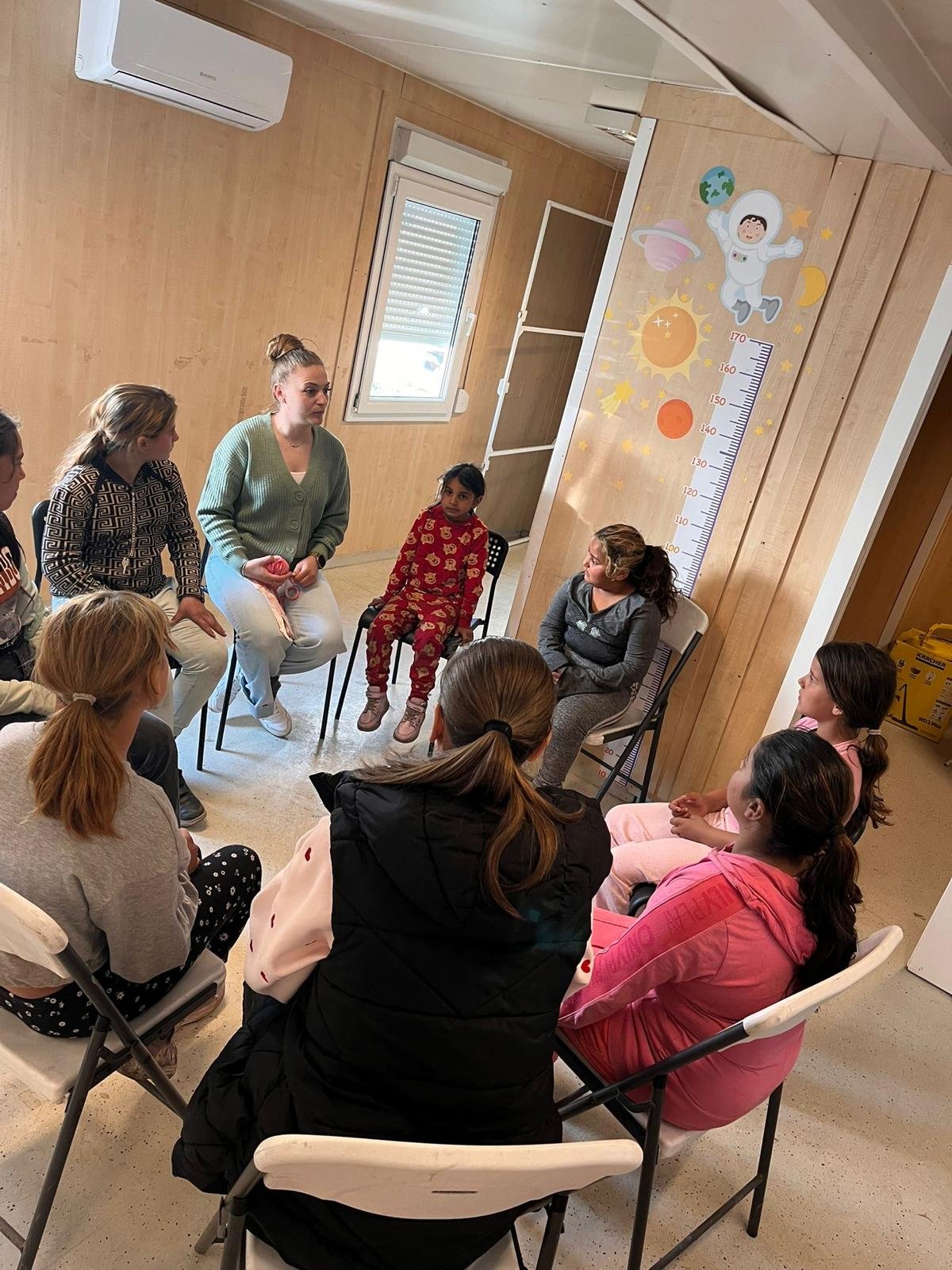
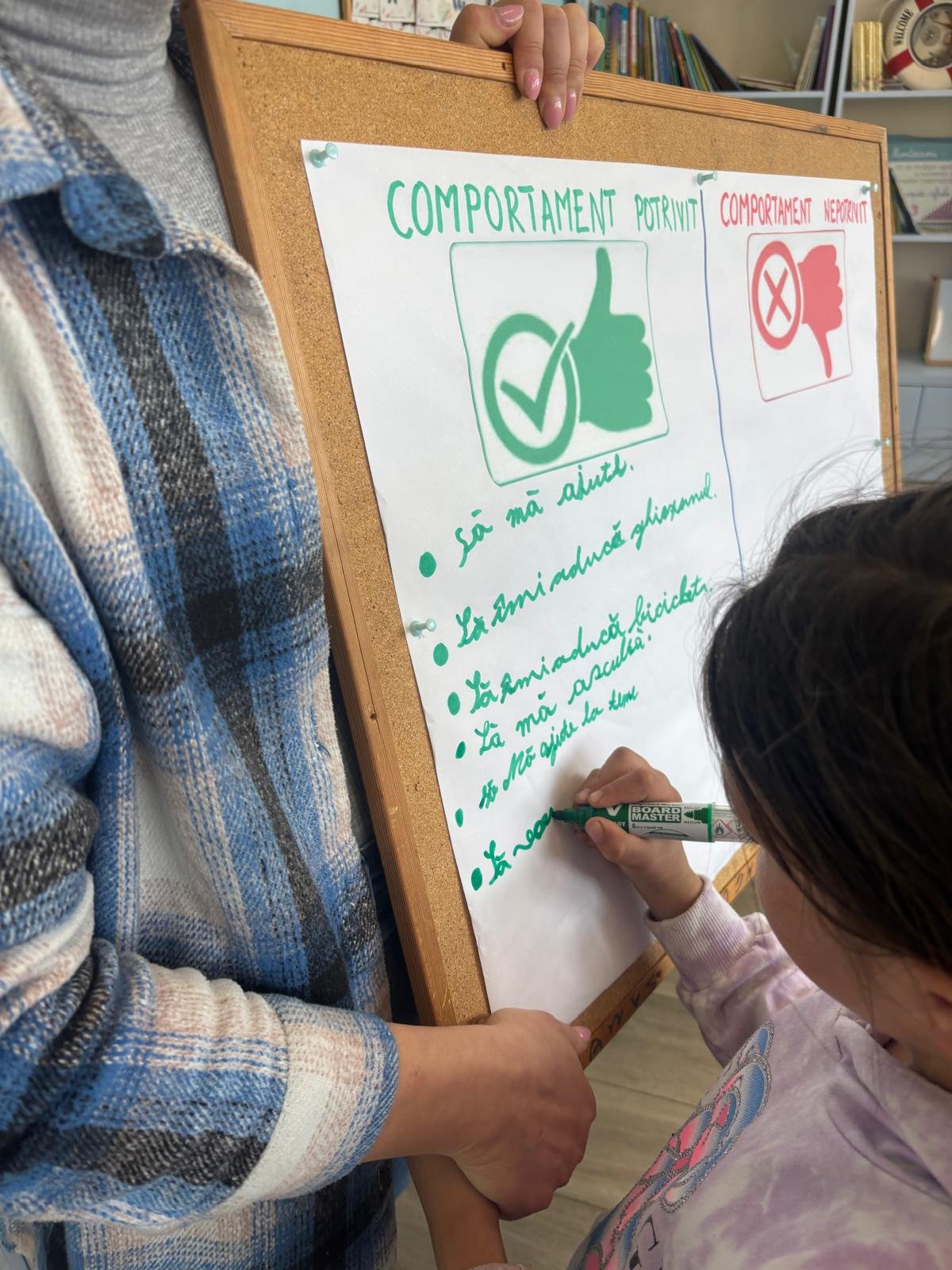
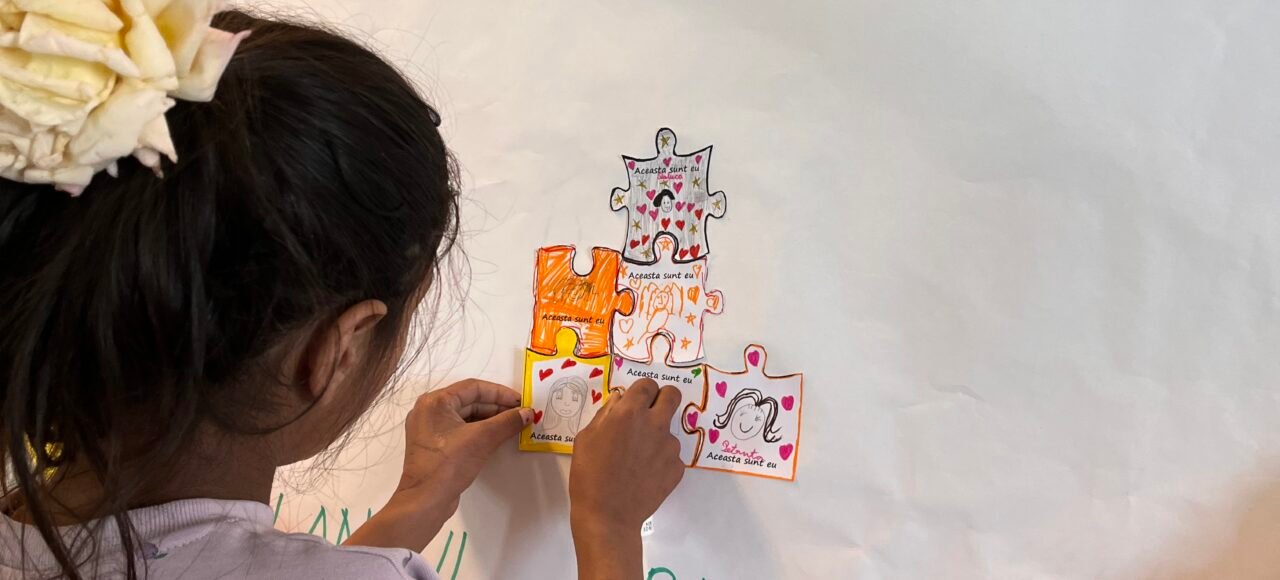
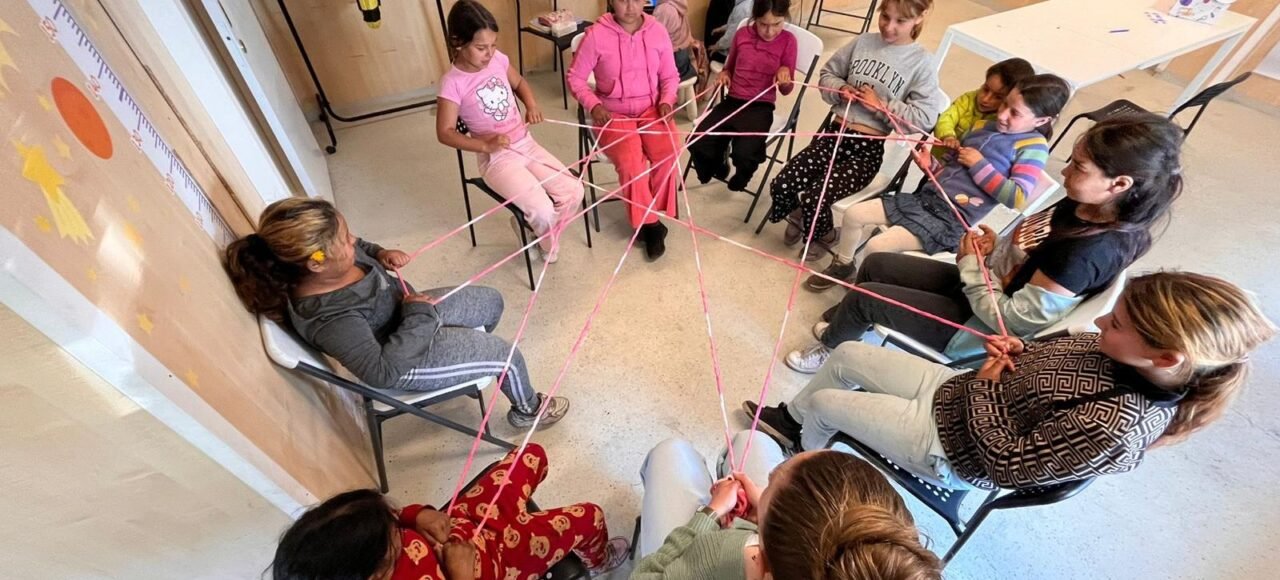
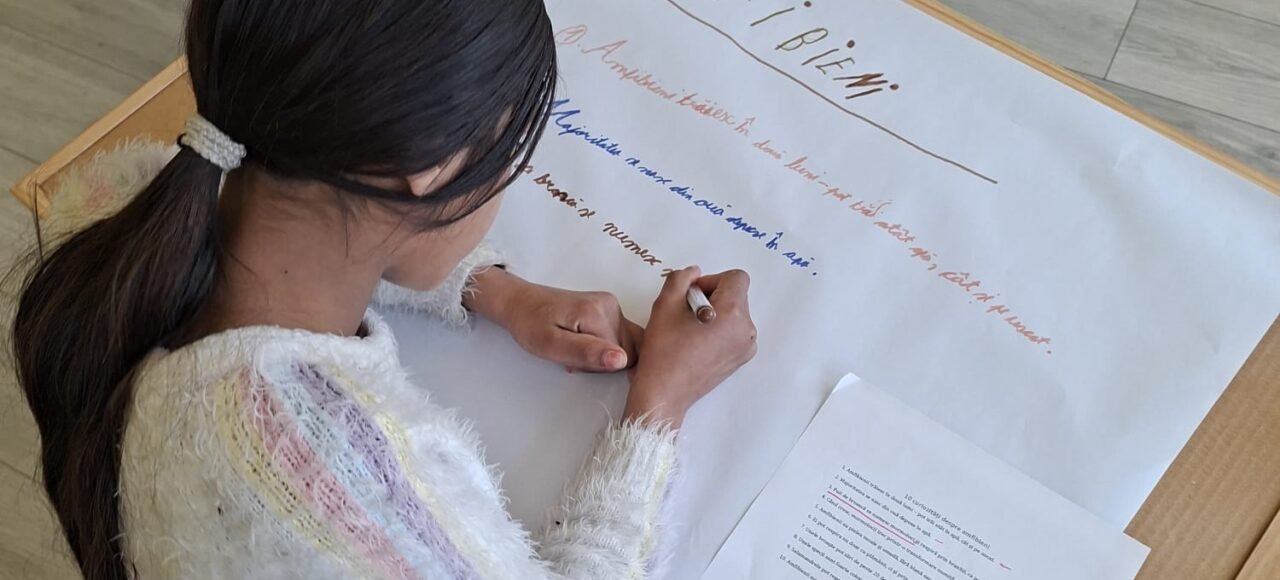
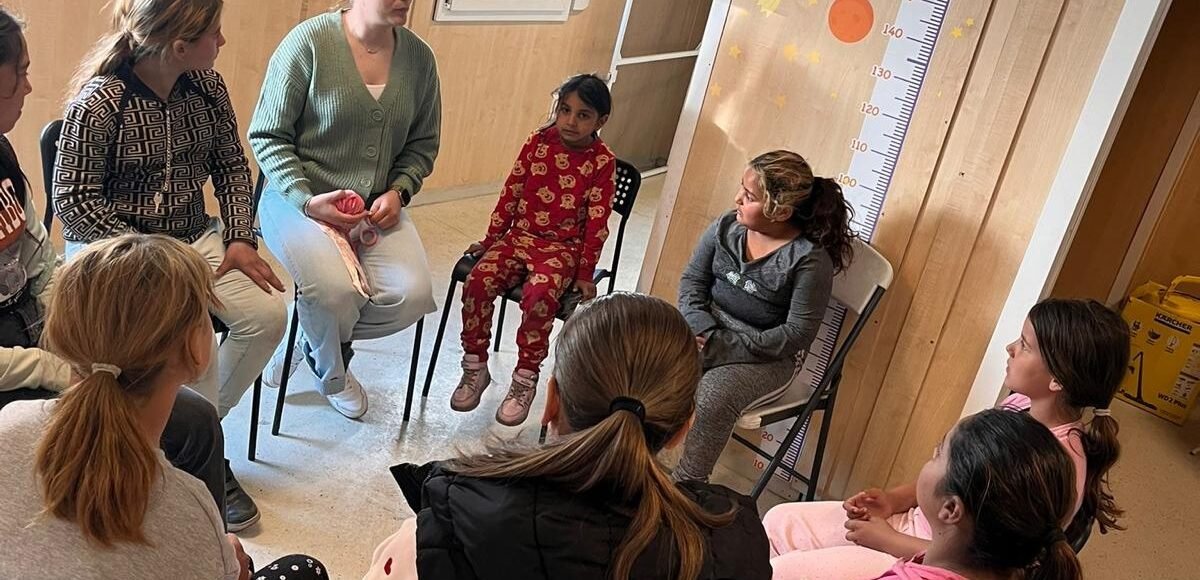
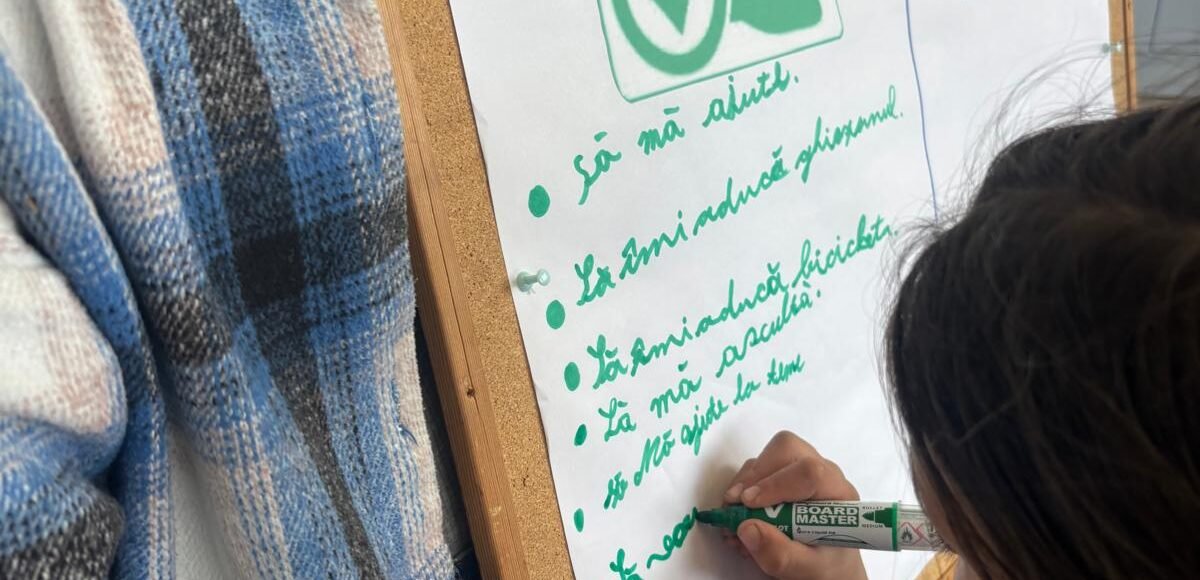
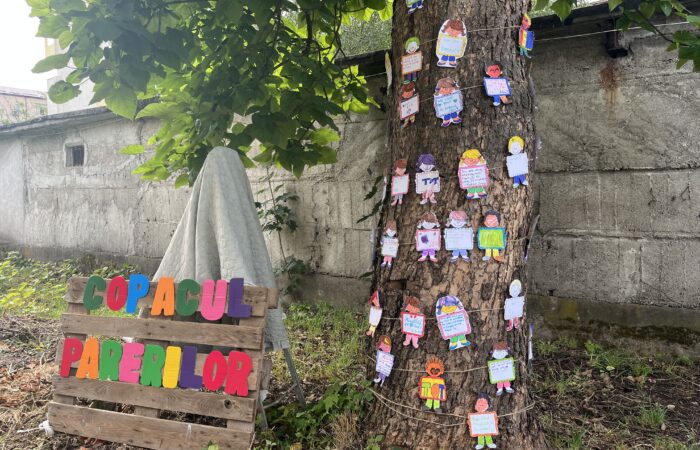
Through interactive activities such as “The Tree of Opinions” or “What Do I Want to Be When I Grow Up?”, the girls learned what it means to have an opinion, how to express it with confidence, and how important it is for their opinions to be respected in decisions that directly affect them, as well as to have the confidence to believe in their ability to shape their own path in life.
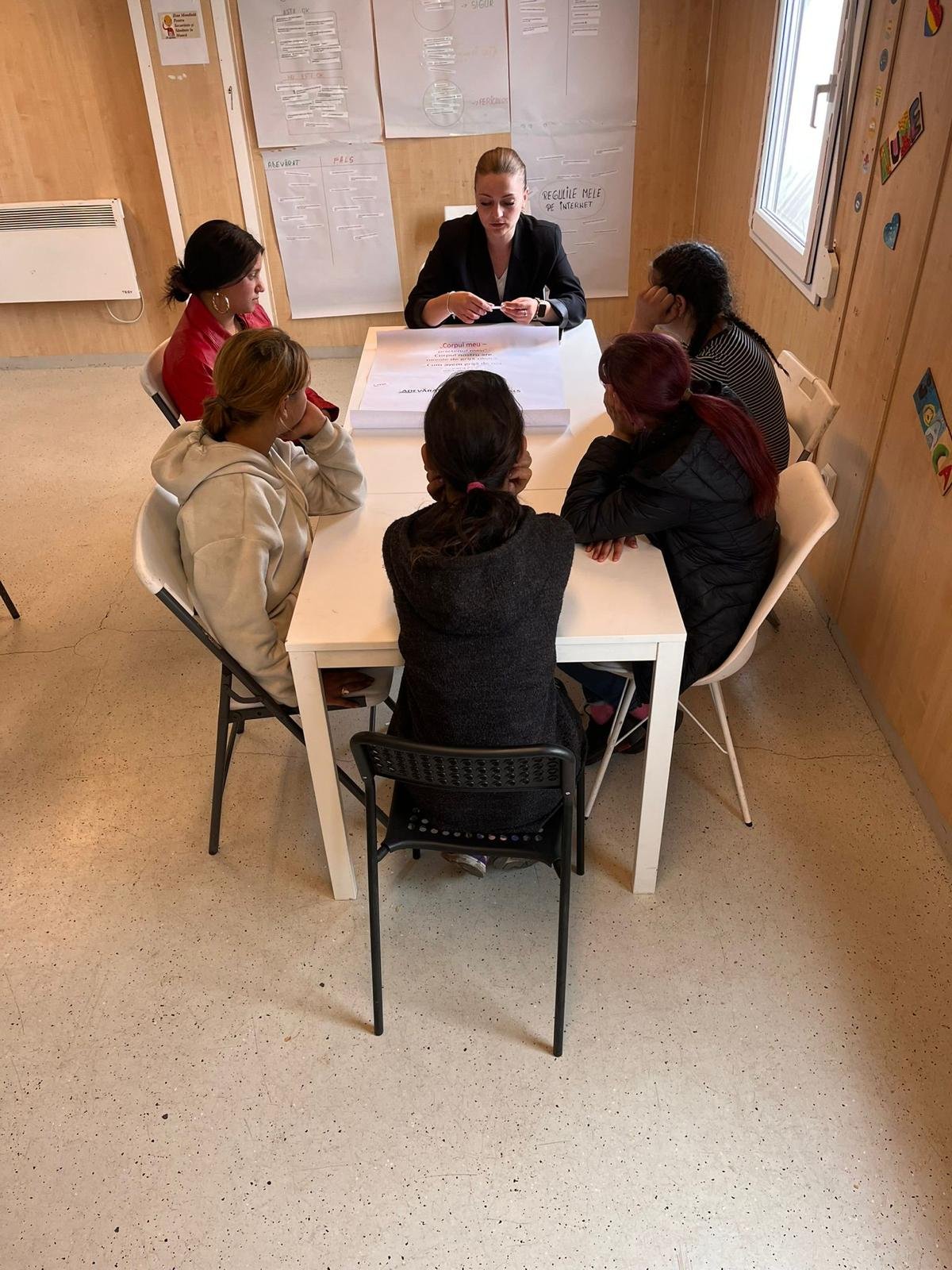
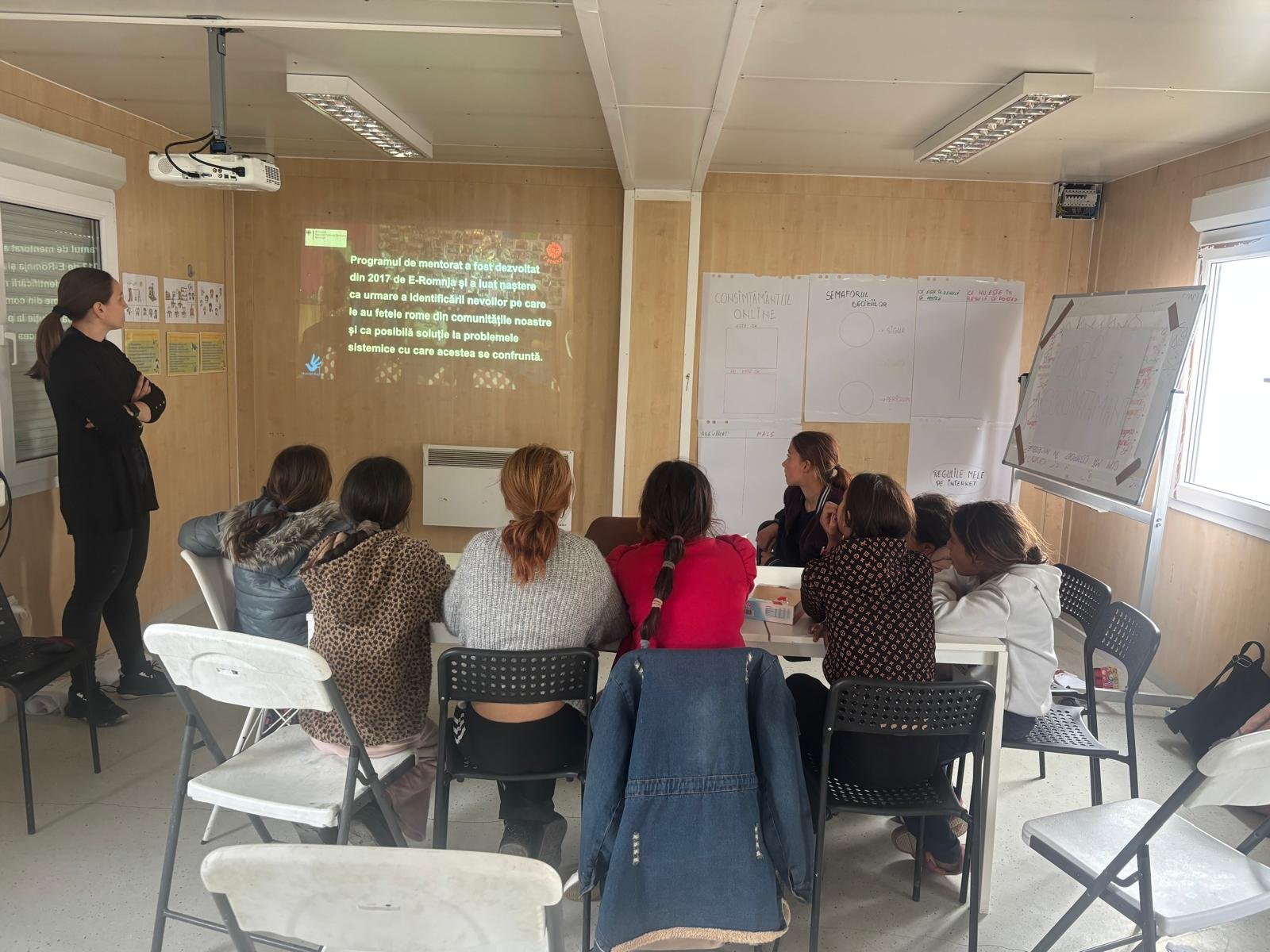
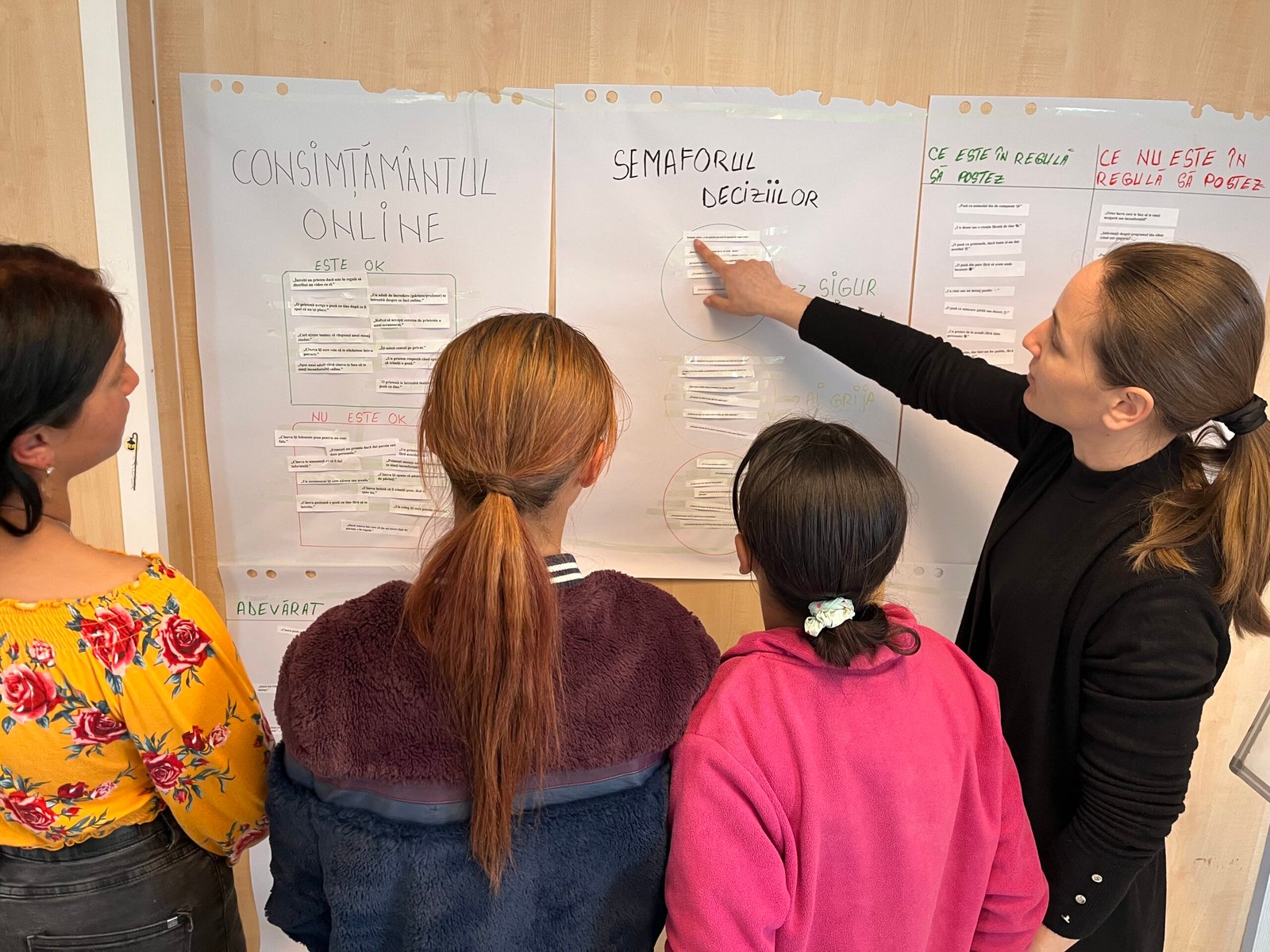
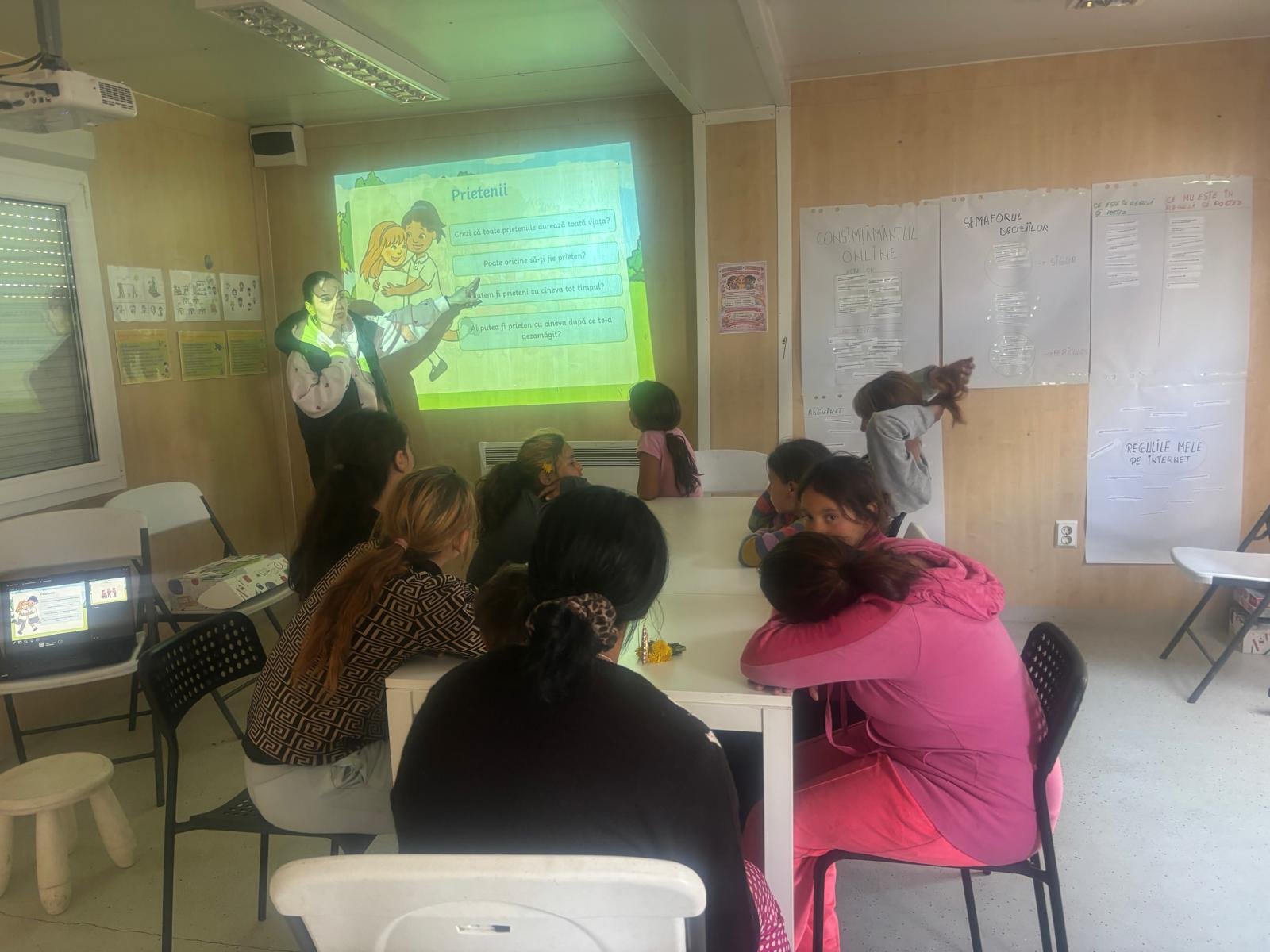
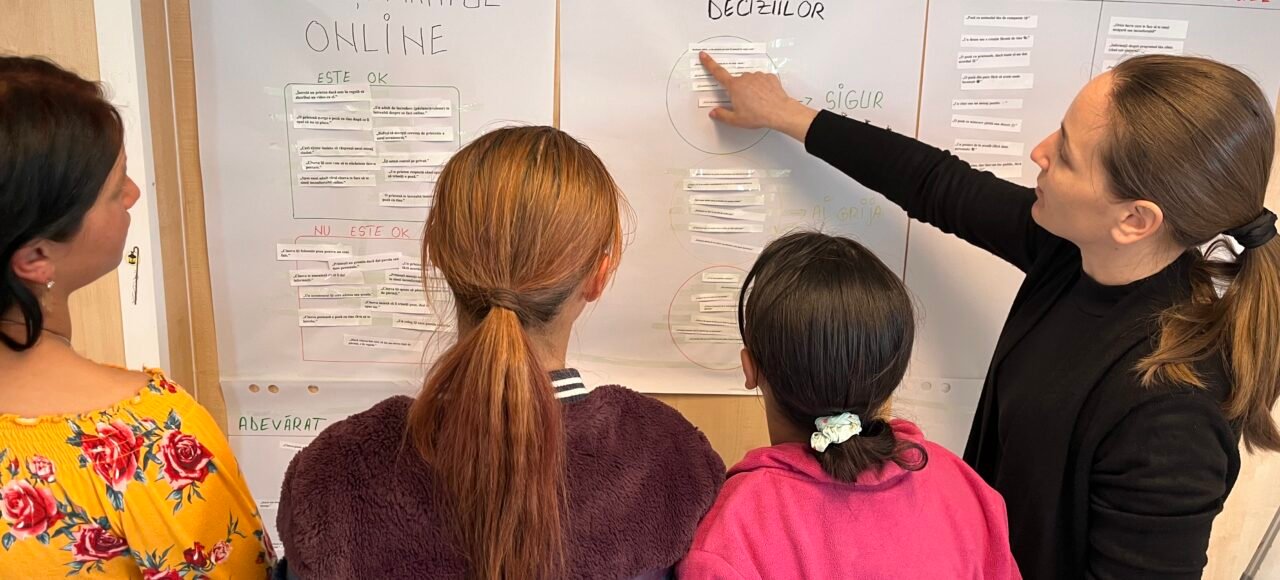
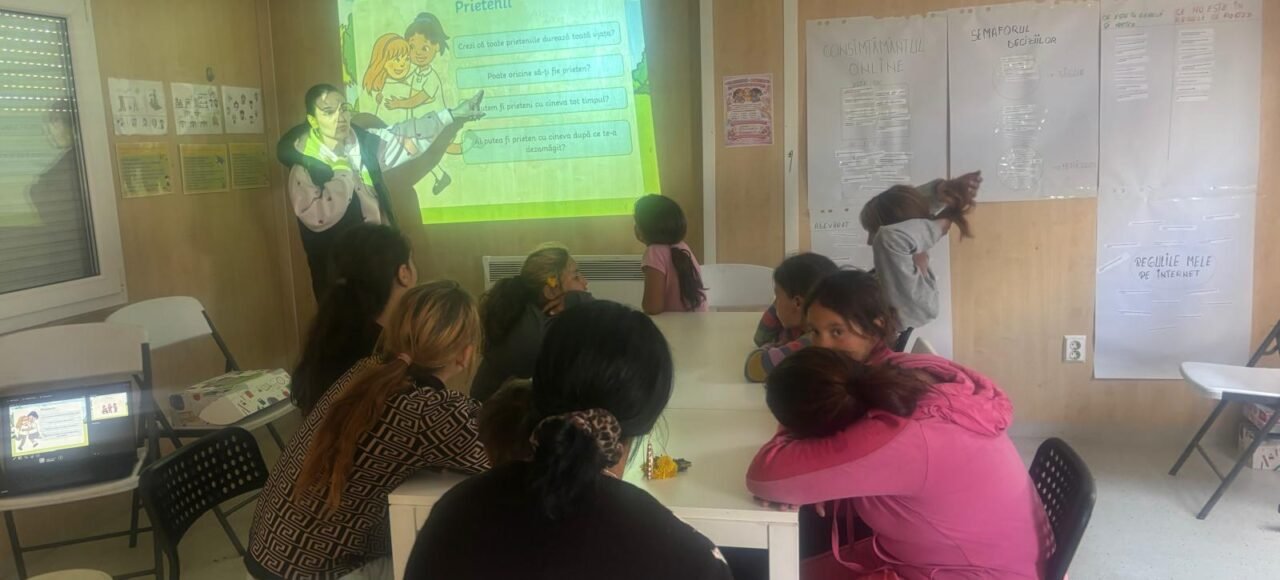
Together with the School Safety Office and the Prevention Police, we conducted sessions on online safety, the prevention of gender-based violence, and recognizing personal boundaries, during which they received essential information about the dangers they face and what they can do when they are victims of abuse.
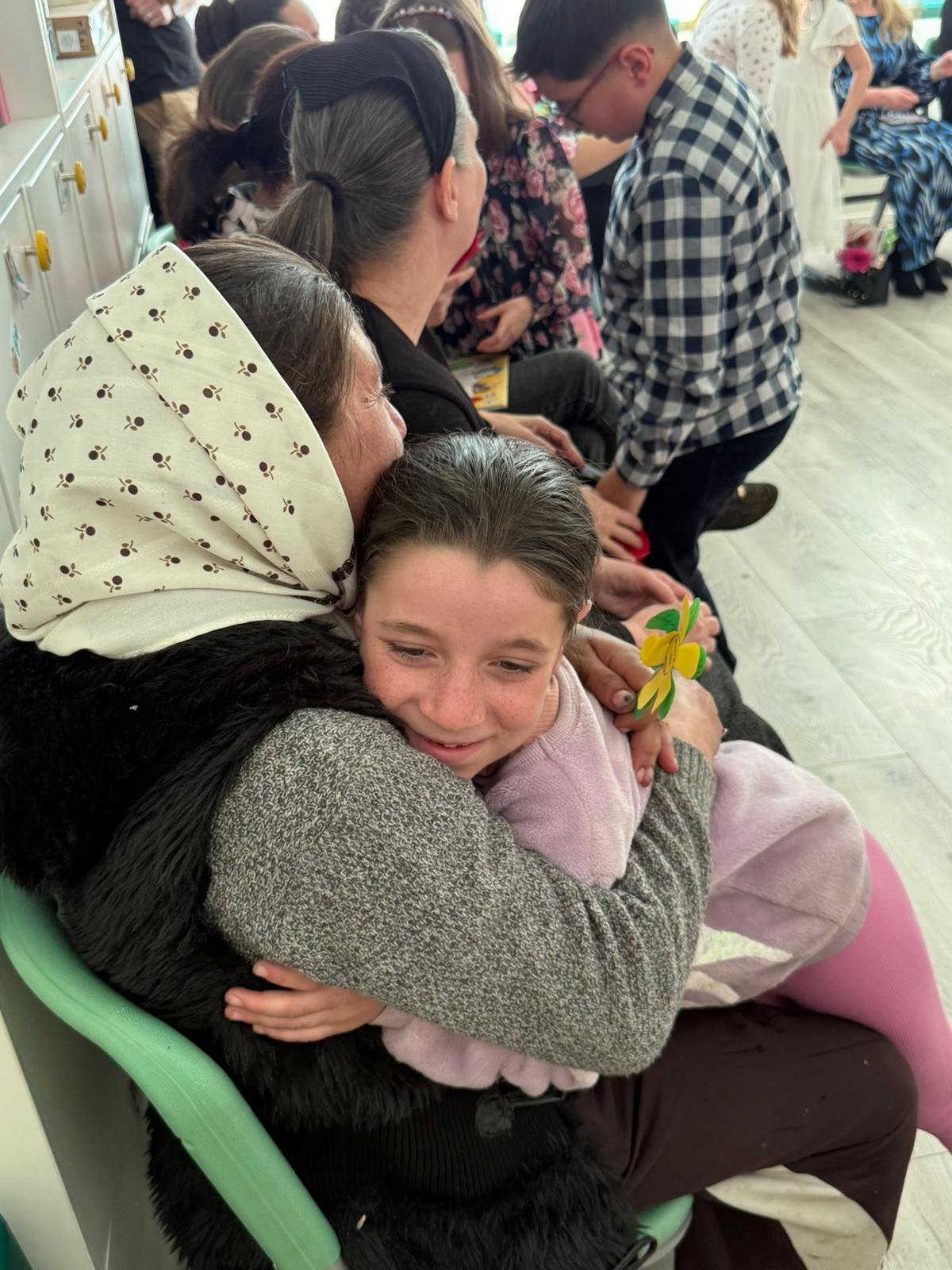
A particularly meaningful moment in our work was facilitating weekly online meetings between a young girl and her mother, who is in prison, providing the child with the emotional support she so desperately needed by maintaining this vital connection.
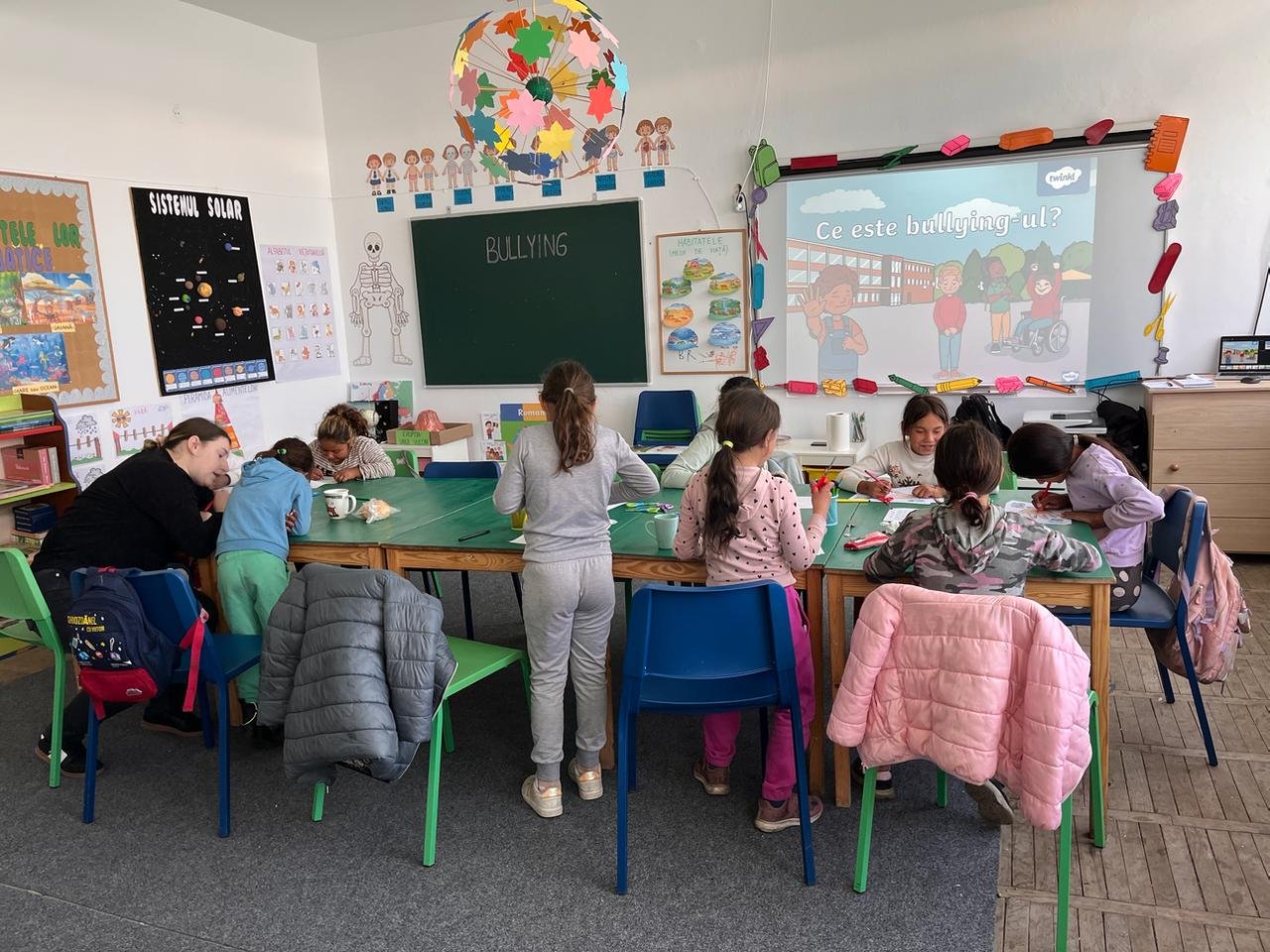
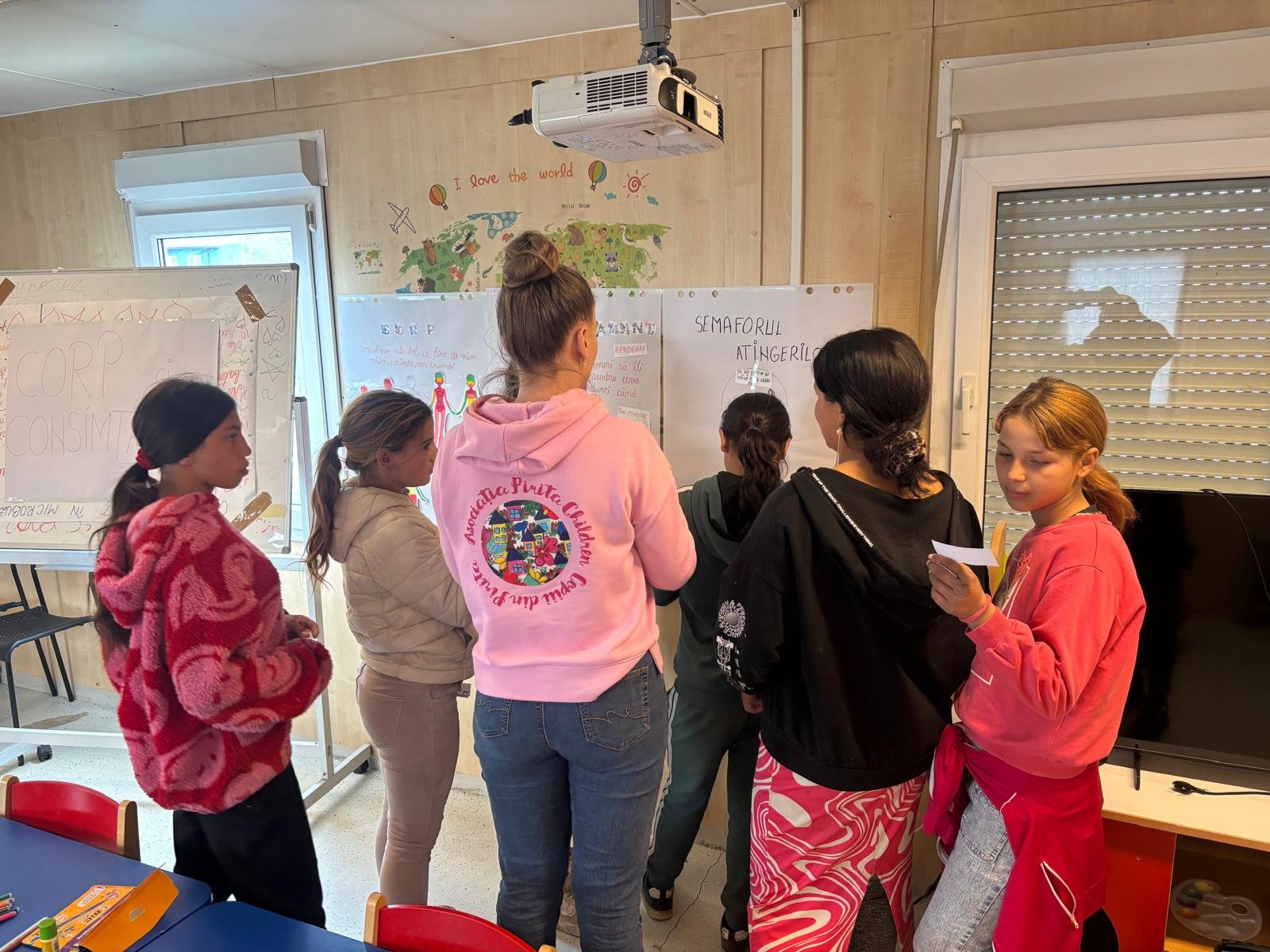
For older girls, education means real options for the future.
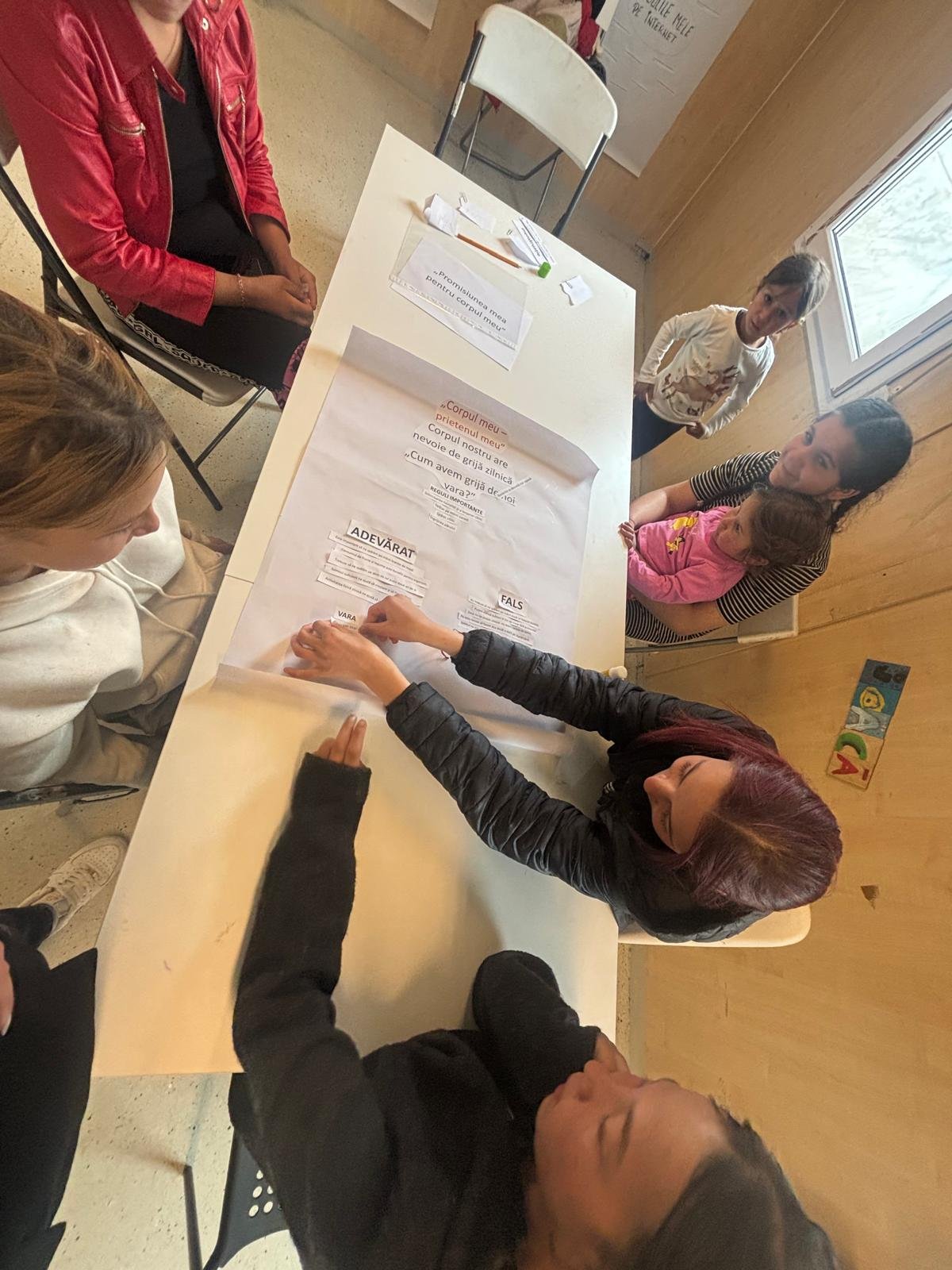
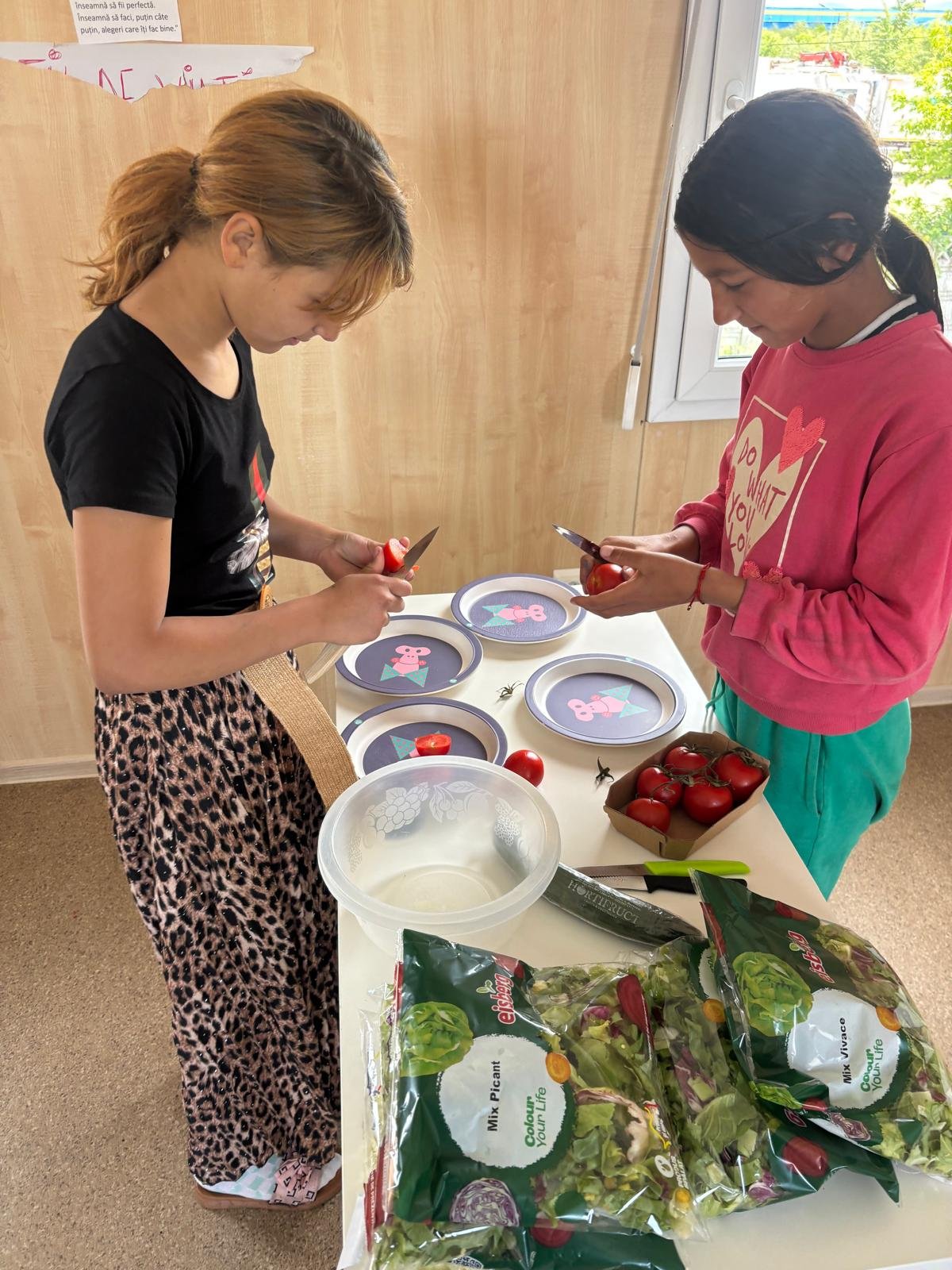
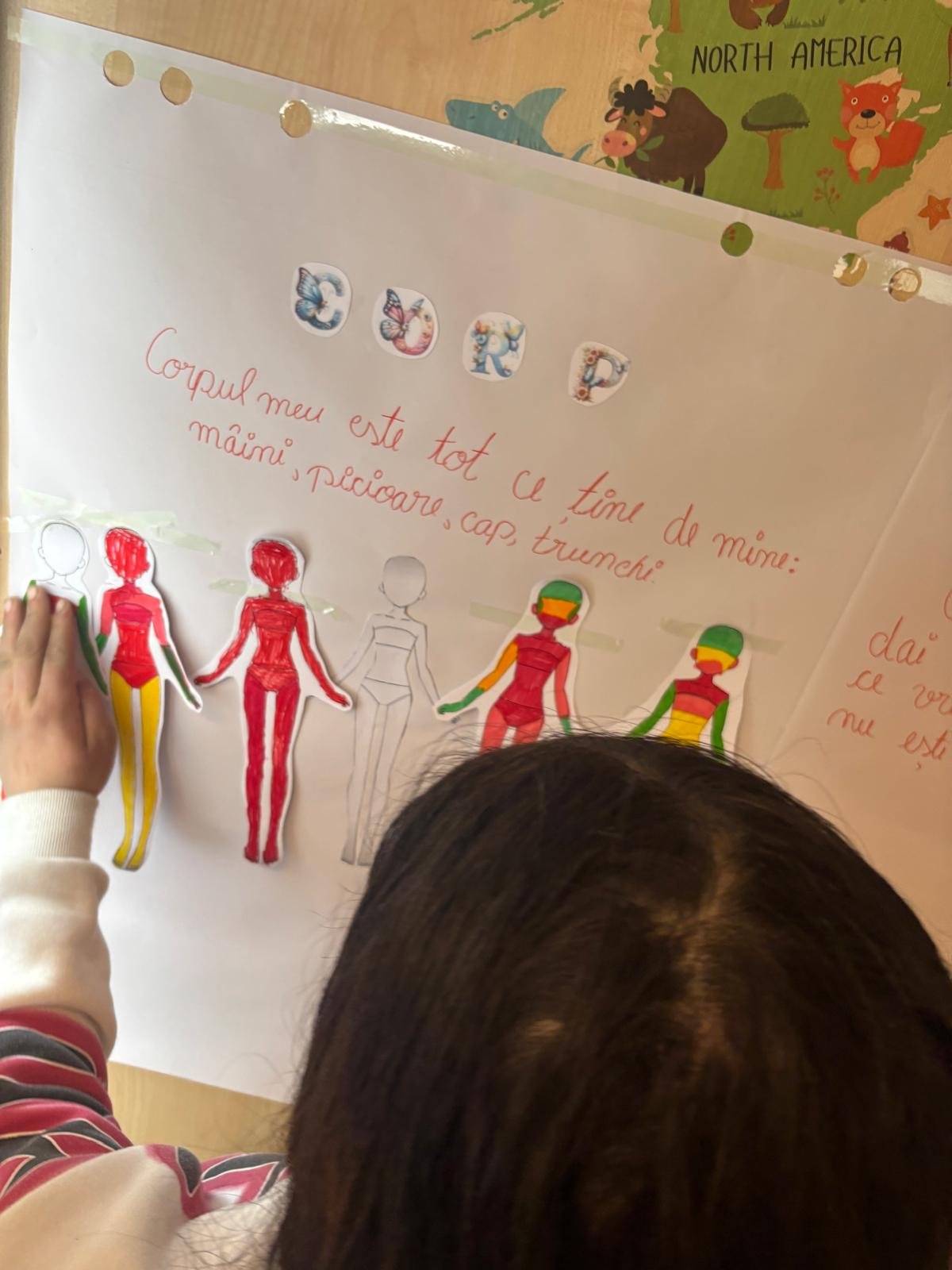
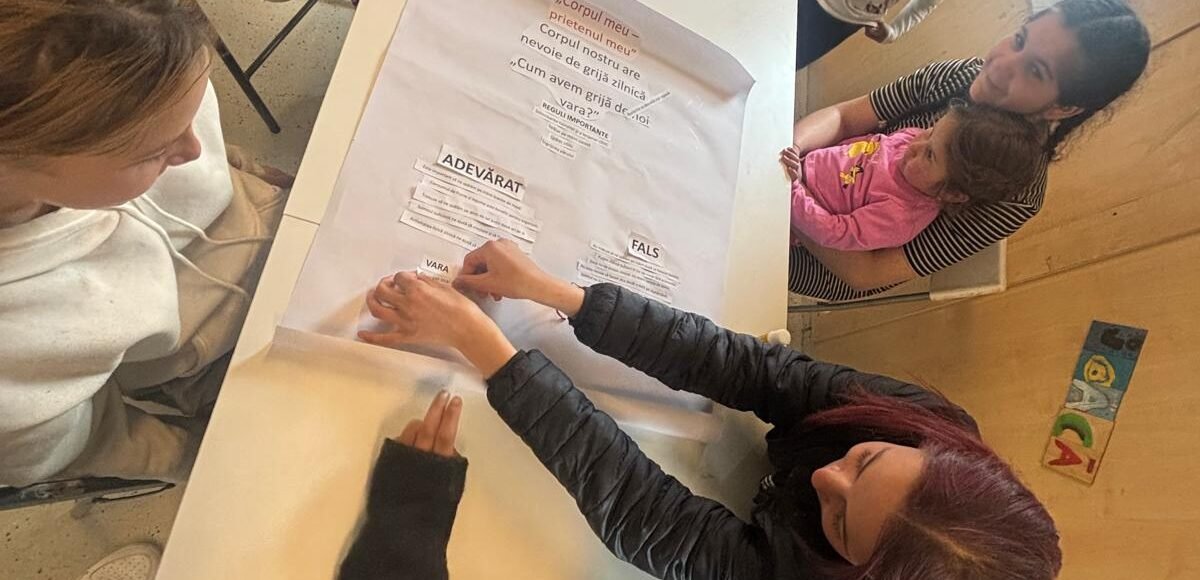
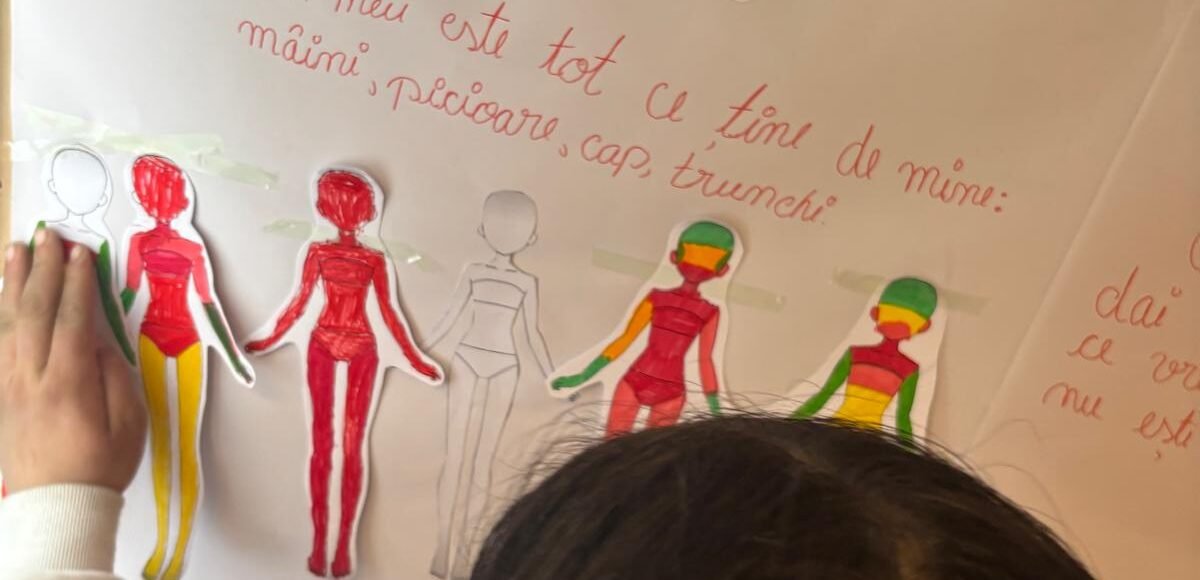
Together with the Pe Stop Association, we’ve broken down the taboos surrounding menstrual health and consent. Open discussions have replaced shame with accurate information and access to hygiene products.
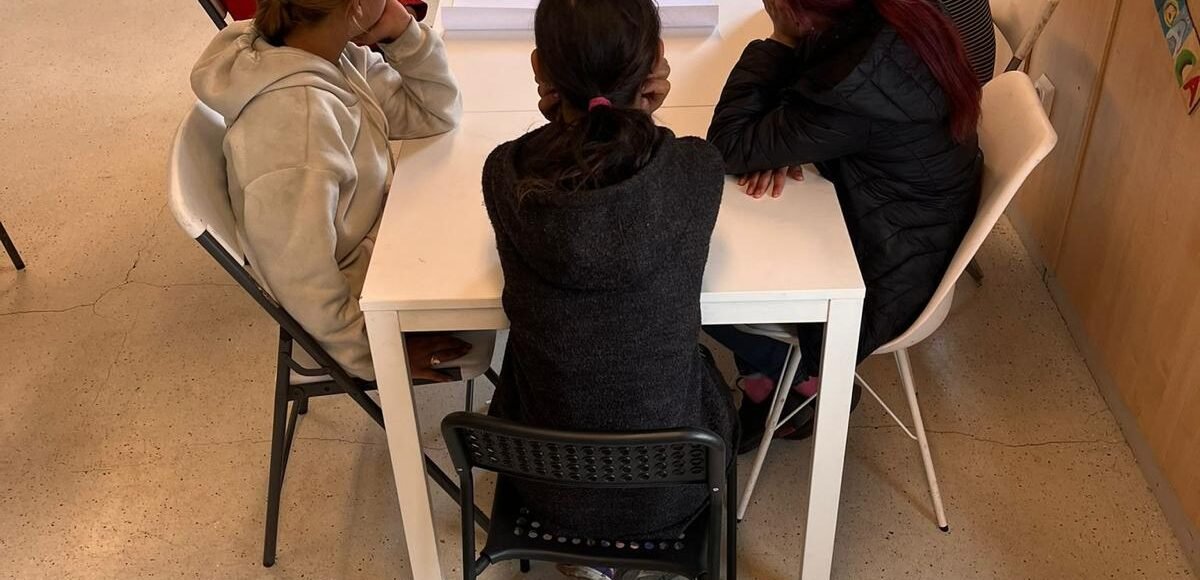
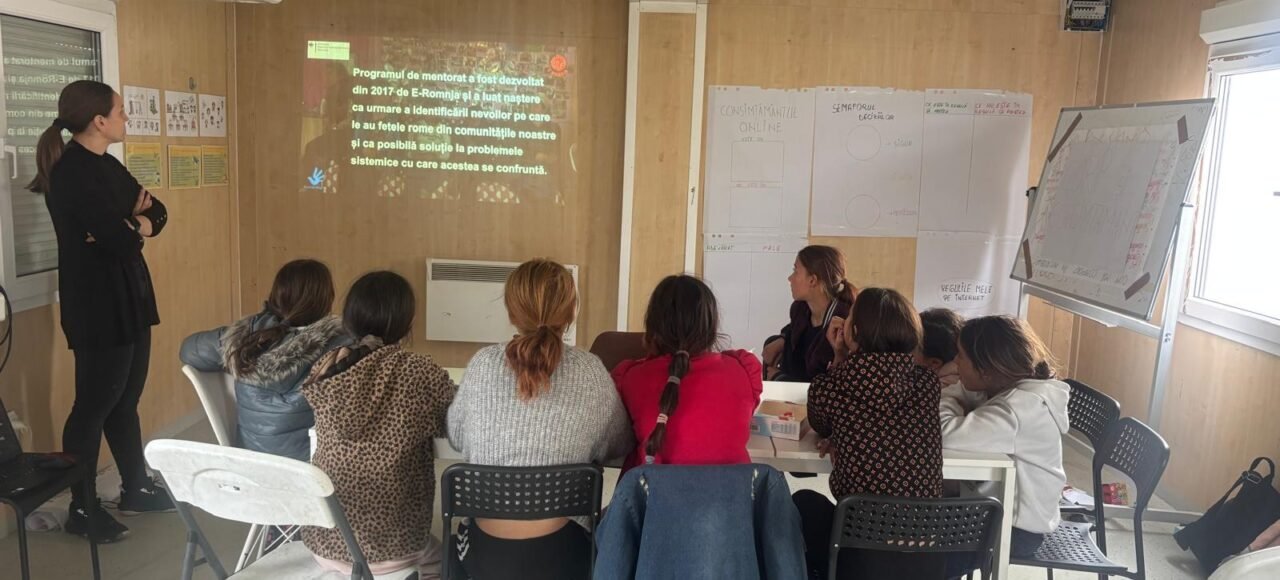
Through the mentoring program, we’ve supported girls at risk of absenteeism or involved in controlling relationships, providing them with a safe space where they can be heard without being judged.
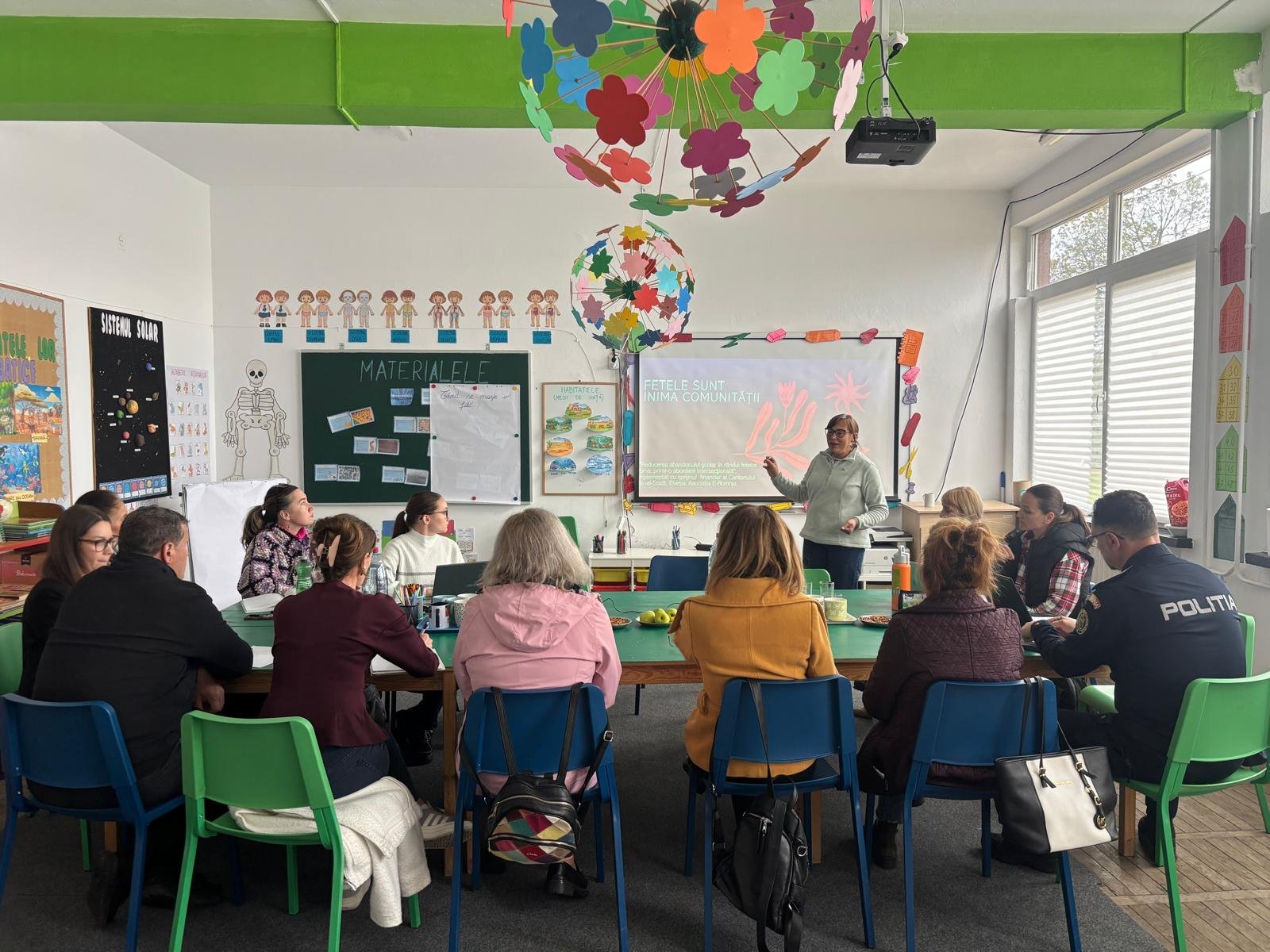
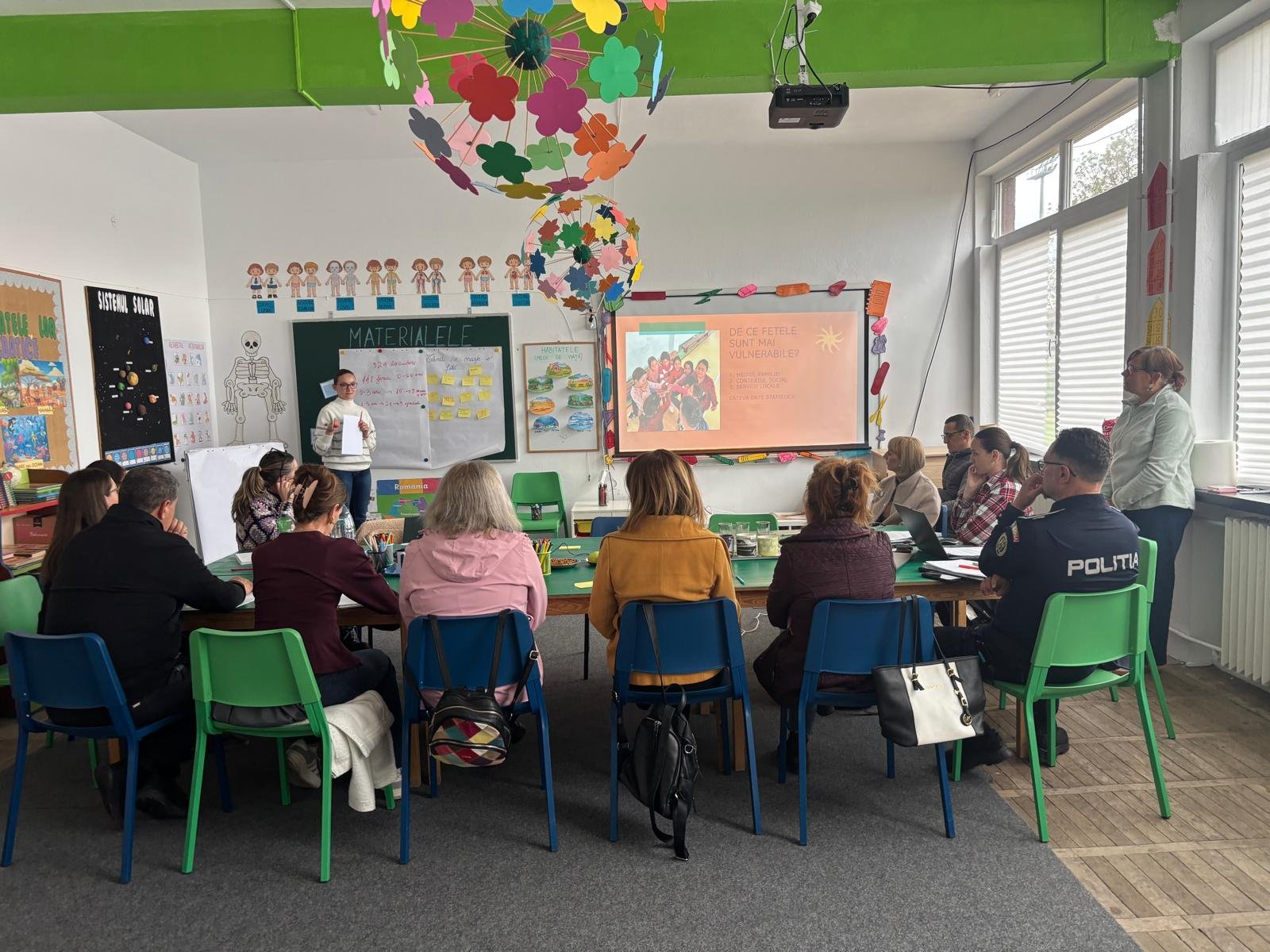
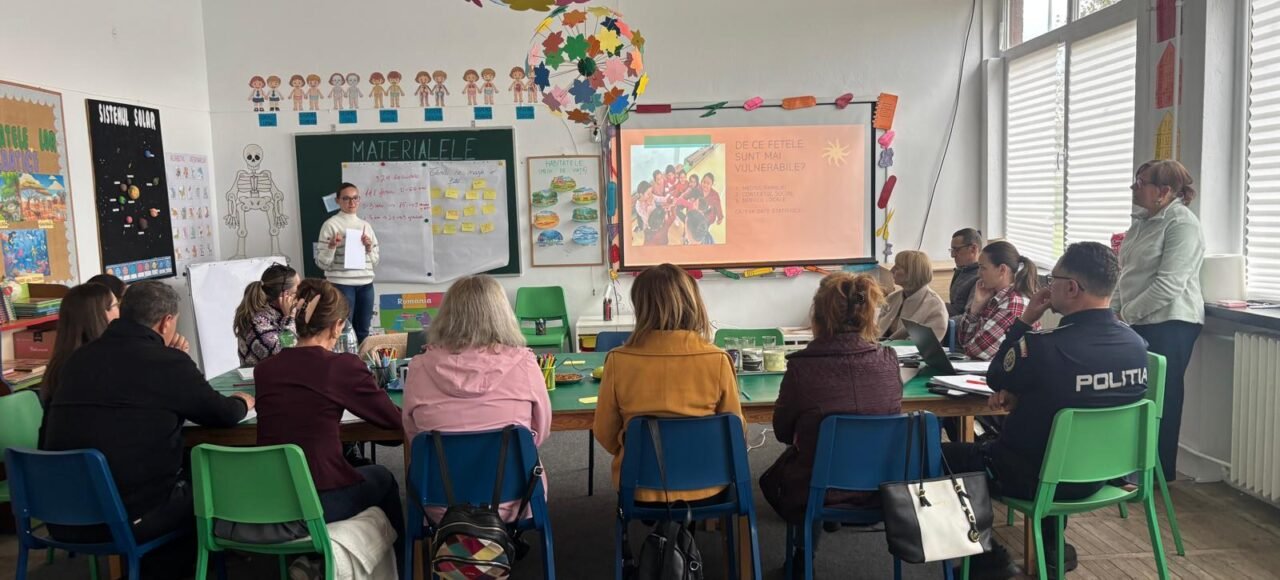
The sustainability of this project is based on a strong network of collaboration among local institutions involved in protecting and supporting girls.
We have brought together specialists from education, law enforcement, DGASPC, and DAS into a multidisciplinary team that responds promptly to the first signs of risk, such as dropping out of school, abuse, or pressure to marry early.
Through this collaboration, the response to vulnerable situations becomes faster, more coordinated, and more effective, helping to increase girls’ chances of continuing their education and developing in a safe environment.
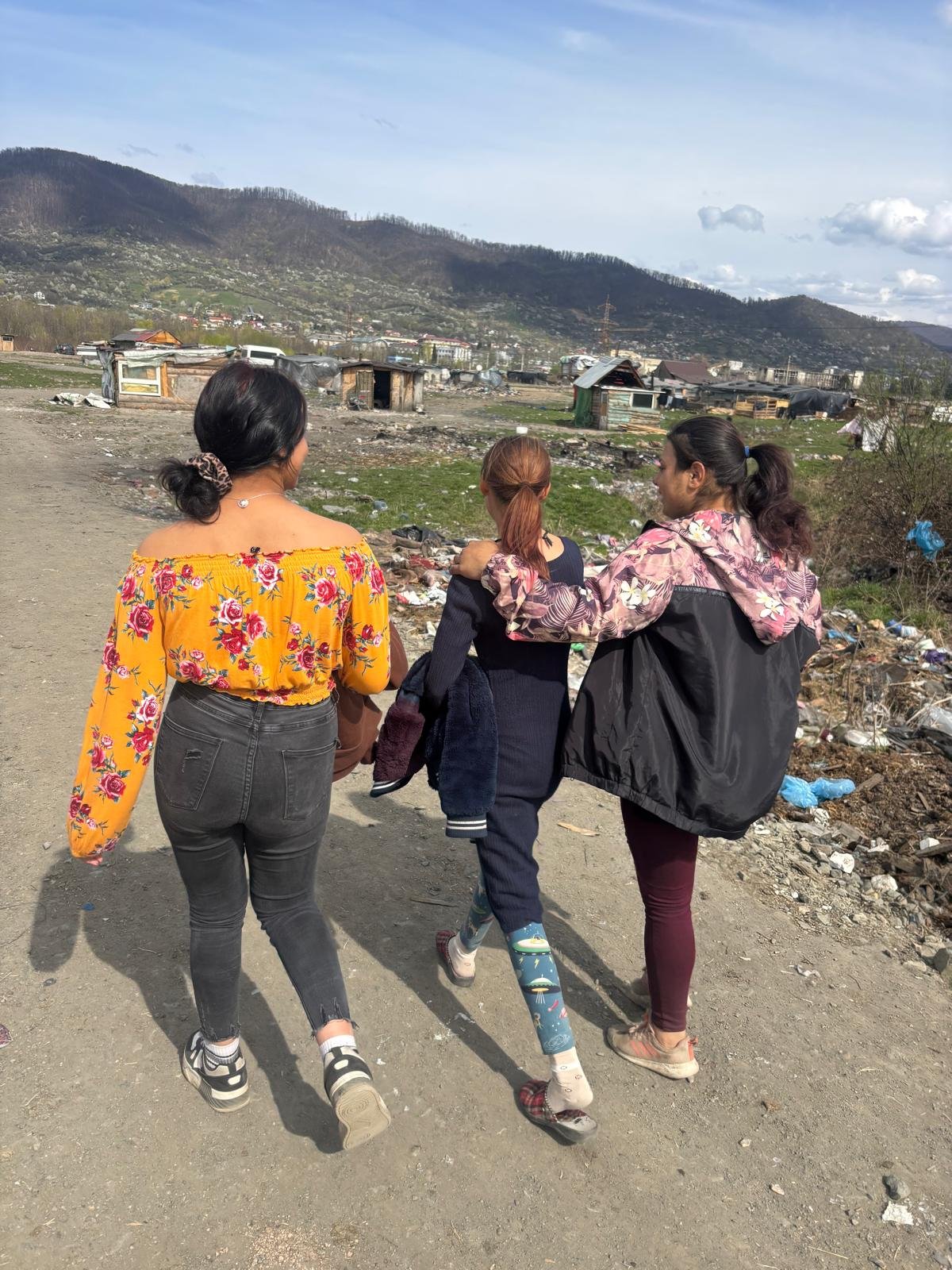
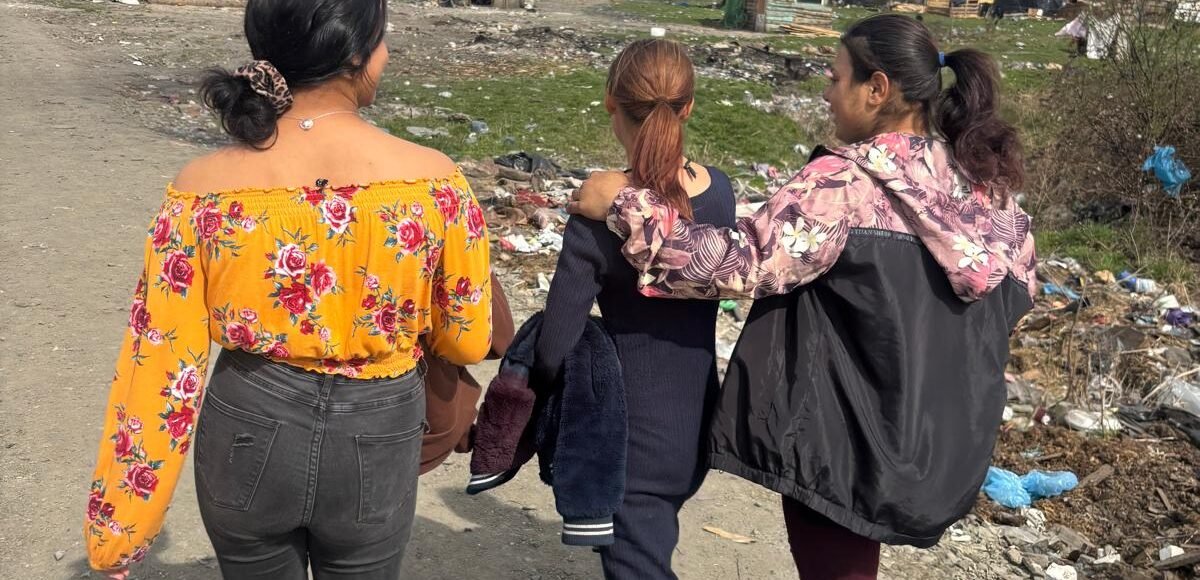
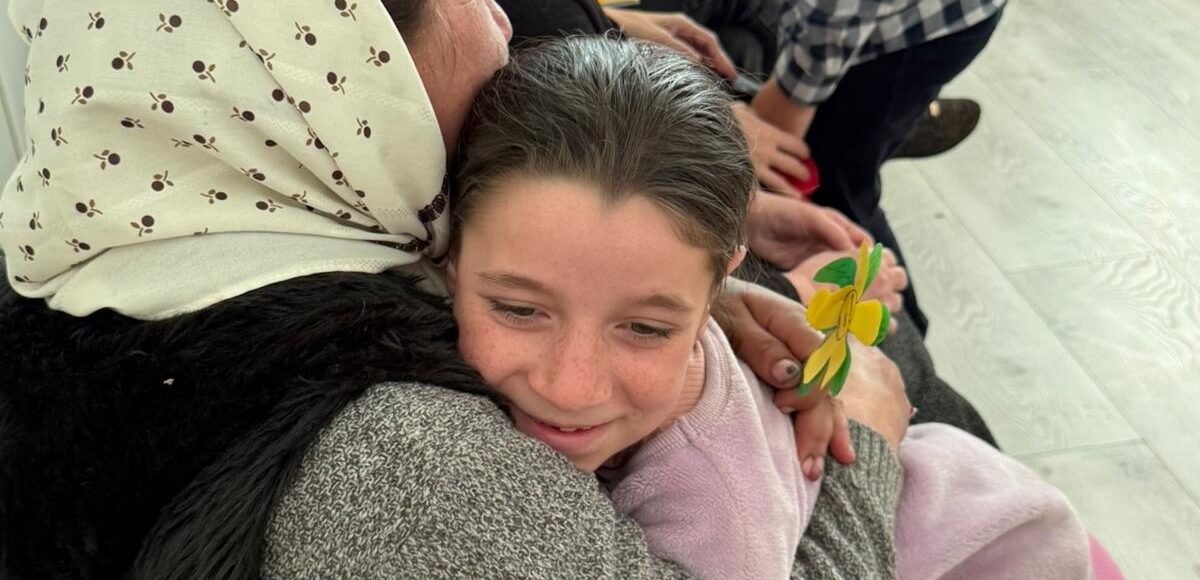
The girls in Pirita don’t need labels or pity from distance; they need opportunities, clean clothes for school, school supplies, and people to walk alongside them.
When we support a girl in going to school, understanding her rights, and finding her own way, we’re not just helping one child—we’re transforming the entire community.
The grant was awarded as part of the project “Reducing School Dropout Rates Among Roma Girls Through an Intersectional Approach,” carried out by E-Romnja with the support of the Canton of Basel-Stadt.